 edory
edory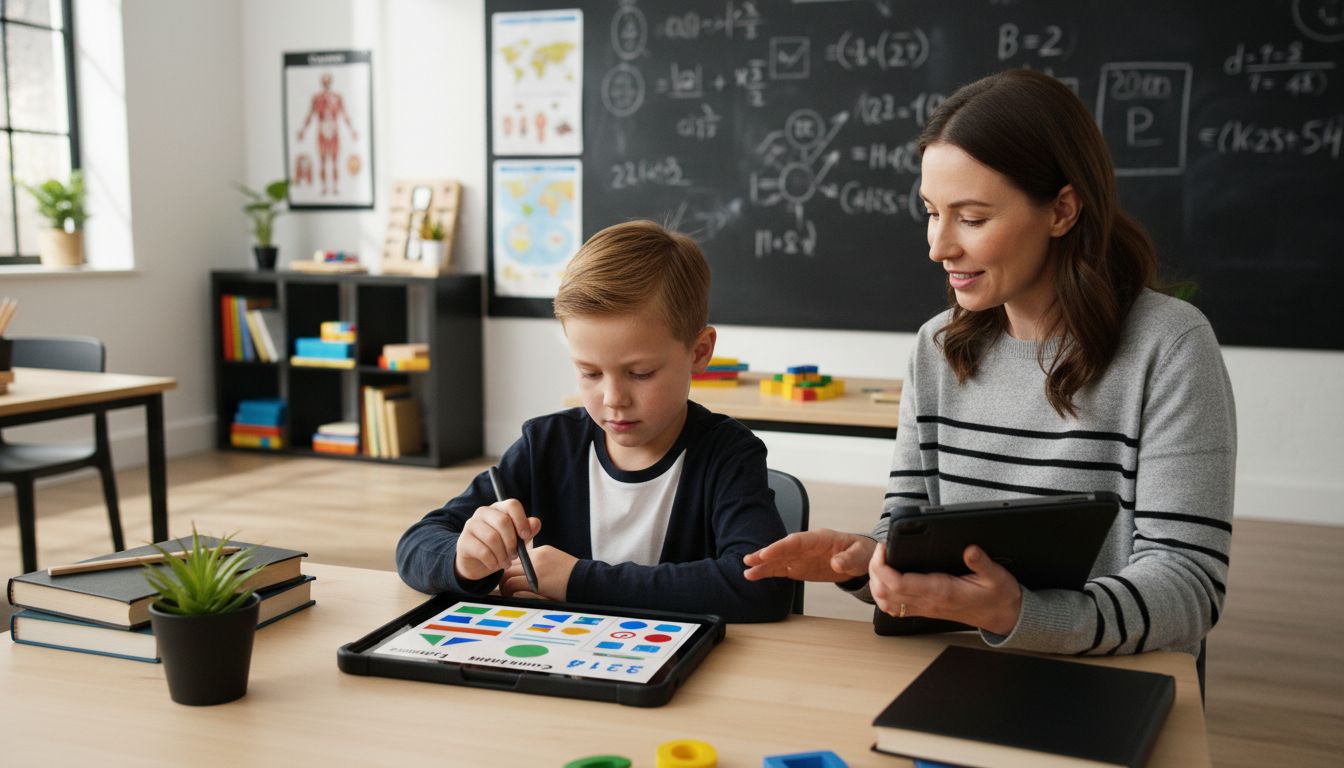
More than 80 percent of children prefer to learn in a way that matches their own interests. However, every child develops at different speeds and has individual strengths. This is exactly where personalized learning content comes in. It enables a customized learning experience so that children can discover new topics with joy and motivation and grow through their challenges.
Table of Contents
- What is Personalized Learning Content for Children?
- Different Types of Personalized Learning Content
- How AI Enables Personalized Learning Content
- Benefits of Individualized Educational Offerings for Children
- Data Protection and Security in Learning Apps for Children
- Challenges and Limitations of Personalized Learning Content
Key Takeaways
| Point | Details |
|---|---|
| Personalized Learning Content | It is tailored to the individual needs, interests, and learning styles of children, as opposed to traditional methods. |
| Role of Artificial Intelligence | AI enables dynamic adaptation and personalization of learning content by analyzing learning behavior in real-time. |
| Benefits of Individualized Education | It increases children's motivation and confidence by creating an effective and supportive learning environment. |
| Challenges | Algorithmic bias and data protection are critical challenges that must be addressed to ensure the integrity of learning content. |
What is Personalized Learning Content for Children?
Personalized learning content is individually customized educational material specifically tailored to the unique needs, interests, and learning styles of a single child. Unlike traditional learning methods that follow a standardized approach, personalized learning content takes into account the individual strengths, weaknesses, and learning preferences of each child.
Artificial Intelligence plays a crucial role in developing these customized learning experiences. Through intelligent algorithms, learning content can be dynamically adapted to the child's developmental pace, interests, and learning goals. In practice, this means that stories, tasks, and exercises are designed to optimally challenge the child while remaining motivating and entertaining.
The main features of personalized learning content include:
- Adaptable difficulty levels
- Individually selected topics based on children's interests
- Interactive learning elements
- Real-time feedback and progress tracking
For a deeper understanding, we recommend our guide to personalized learning, which provides detailed insights into this modern form of education. Personalized learning content thus transforms the way children learn - it makes education not only more effective, but also more exciting and individualized.
Different Types of Personalized Learning Content
Personalized learning content is diverse and includes various innovative approaches that enable children to have a customized educational experience. A significant form is adaptive learning platforms, which continuously analyze individual learning progress and dynamically adjust exercises and materials. According to research, platforms like simpleclub offer personalized learning plans that adapt to the needs and progress of each individual child.
Another fascinating category is personalized books. These books integrate the child's name and specific characteristics directly into the narrative, creating a unique, immersive reading experience. As research shows, companies like Wonderbly use this technique to present children with highly individualized stories.
Other forms of personalized learning content include:
Here is an overview of the most important types of personalized learning content and their characteristics:
| Type | Main Feature | Known Examples |
|---|---|---|
| Adaptive Learning Platforms | Dynamic adaptation to learning progress | simpleclub |
| Personalized Books | Integration of child-related details | Wonderbly |
| Interactive Learning Apps | AI-powered recommendations | Various apps |
| Virtual Learning Environments | Adaptation to learning speed | Digital classrooms |
| Gamified Platforms | Personalized challenges | Educational games |
| Video Learning Modules | Topic and level selection | Individual video modules |
- Interactive learning apps with AI-powered recommendation systems
- Virtual learning environments that adapt to individual learning speeds
- Gamified educational platforms with personalized challenges
- Video-based learning modules that select content based on interests and comprehension level
Those who want to learn more about the world of personalized books can consult our detailed guide. These innovative approaches make learning not only more individual but also significantly more motivating for children.
How AI Enables Personalized Learning Content
Artificial Intelligence (AI) is revolutionizing the way children learn by enabling highly personalized learning experiences. Through advanced algorithms and machine learning, AI systems can analyze and interpret a child's individual learning behavior, interests, and progress in real-time.
The core of this personalized learning technology lies in AI's ability to process vast amounts of data and derive precise insights from it. Algorithmic systems can recognize learning patterns, identify knowledge gaps, and dynamically adapt content to the needs of the individual child. This means that learning materials are no longer static but continuously adapt to the child's development and progress.
The main functions of AI in personalized learning content include:
- Adaptive difficulty level adjustment
- Real-time recommendations based on learning behavior
- Individualized learning paths
- Intelligent progress tracking
For deeper insights into the world of AI in education, we recommend our comprehensive guide. AI thus transforms learning from a standardized to a deeply personalized experience that specifically promotes the individual strengths and potential of each child.
Benefits of Individualized Educational Offerings for Children
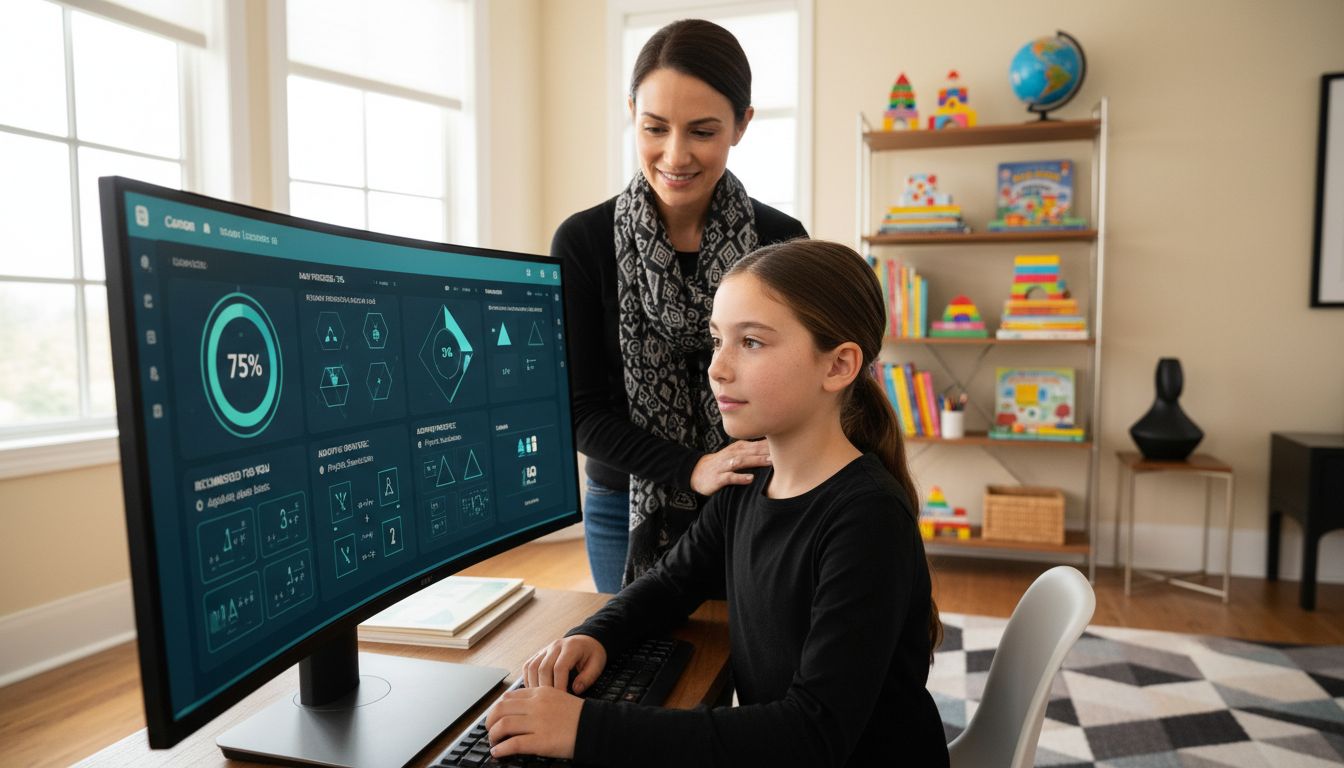
Individualized educational offerings fundamentally transform the learning landscape for children by enabling a customized educational experience. Rather than forcing children into a standardized learning framework, these offerings take into account the unique strengths, interests, and learning styles of each individual child.
The central benefit lies in its motivating effect. When learning content is precisely tailored to individual needs and preferences, children's learning readiness and enthusiasm increase significantly. Children feel taken seriously and can learn at their own pace without experiencing frustration or overwhelm.
The most important benefits of individualized educational offerings include:
- Targeted promotion of individual talents
- Building confidence through successful learning experiences
- Flexible adaptation to different learning speeds
- Increased motivation and learning joy
- Early development of personal responsibility for the learning process
Those interested in learning more about creative approaches in personalized child education can consult our guide to creative personalized children's stories. Individualized educational offerings are more than just a learning method - they are a key to unlocking the individual potential of every child.
Data Protection and Security in Learning Apps for Children
Child safety in digital learning environments is an absolutely critical aspect that requires the highest attention. Parents must be able to rely on learning apps being not only educationally valuable but also completely safe for their children. This means comprehensive protection against potential online risks and responsible handling of personal data.
Modern learning apps therefore use multi-layered security concepts. These include encrypted data transmission, strict access controls, and intelligent mechanisms that fully anonymize children's user profiles. Transparency is also important: parents should be able to understand at all times what data is collected and how it is protected.
Central security aspects in learning apps include:
- No sharing of personal child data with third parties
- Age-appropriate access restrictions
- Activation of parental control mechanisms
- Encrypted communication channels
- Regular security updates
For further information on child safety on the internet, we recommend our comprehensive guide. Digital safety means providing children with a protected and trustworthy learning environment.
Challenges and Limitations of Personalized Learning Content
Personalized learning content offers numerous advantages but also presents complex challenges. According to current studies, a central challenge is that algorithms can unintentionally reproduce and amplify existing stereotypes.
The quality and integrity of personalized learning systems depends crucially on the data foundation and underlying algorithms. Research shows that AI systems need precise mechanisms to identify and minimize bias. At the same time, strict data protection standards must be ensured to comprehensively protect the privacy of learners.
Important challenges include:
- Avoiding algorithmic bias
- Ensuring genuine data anonymization
- Transparency in data processing
- Preventing unintended discrimination
- Protecting individual learning autonomy
For further insights, we recommend our guide to child safety on the internet. Personalized learning content remains a dynamic field that requires continuous ethical reflection and technological development.
Discover the Power of Personalized Learning Content with Edory.ai
The challenge for many parents and educators is to design learning content for children in a way that addresses individual interests and learning styles without overwhelming or underchallenging them. This article highlights how important adaptive, age-appropriate, and motivating content is - content that is precisely tailored to the child's developmental pace and preferences. Personalization creates trust and promotes sustainable learning success - this is exactly where Edory.ai comes in.
With our innovative approach, we combine educationally valuable content with individually generated stories that are created anew every day. This creates fascinating narratives that not only playfully challenge children but also reach them emotionally and encourage independent learning. Learn more about our unique solutions in our Uncategorized – Edory AI – Educational Children's Stories section and be inspired by how personalized educational offerings can easily become a permanent part of your family's everyday life.
Start now with Edory.ai and enter a new era of learning. Give your child a customized world full of imagination and knowledge that they can discover anew every day. Visit https://edory.ai to learn more and experience the future of learning today.
Frequently Asked Questions
What is Personalized Learning Content for Children?
Personalized learning content is individually customized educational material tailored to the unique needs and learning styles of a child. It takes into account strengths, weaknesses, and interests to make learning more effective and motivating.
How Does Artificial Intelligence Support Personalized Learning Content?
Artificial Intelligence uses advanced algorithms to analyze a child's learning behavior and progress in real-time. This allows learning materials to be dynamically adapted to achieve optimal learning outcomes.
What Are the Benefits of Individualized Educational Offerings?
Individualized educational offerings promote individual learning and increase motivation because they are tailored to a child's specific interests and needs. They enable flexible adaptation to different learning speeds and build children's confidence.
What Types of Personalized Learning Content Are There?
There are various types of personalized learning content, including adaptive learning platforms, personalized books, interactive learning apps, gamified platforms, and video-based learning modules, all specifically tailored to children's interests and understanding.