 edory
edoryCreative Storytelling with Children: Crafting Imaginative Stories
· 11 minutes read
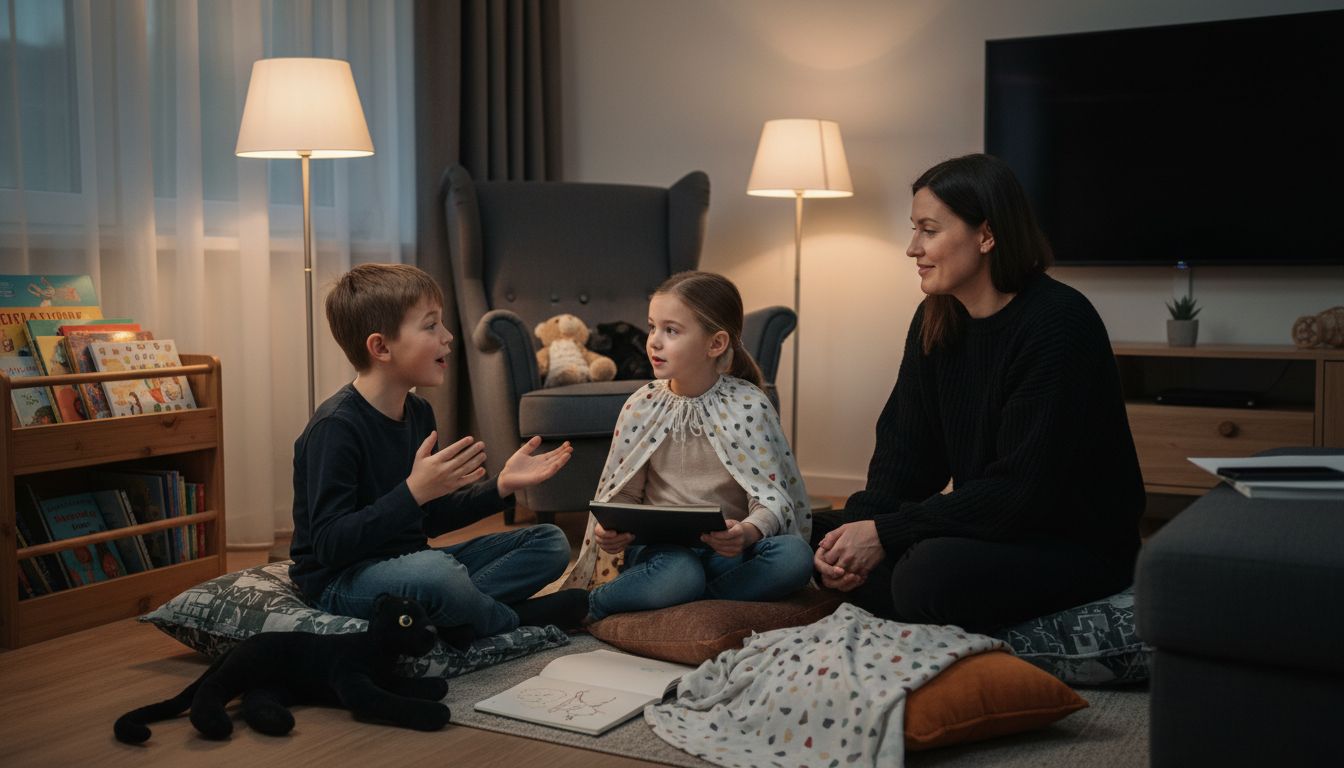
Every fifth child develops more self-confidence in everyday life through regular storytelling. Creative storytelling not only promotes language skills but also strengthens imagination and social competencies. When parents dive into new worlds together with their child, a valuable exchange full of trust and curiosity is created. Anyone looking for new impulses, structured methods, and practical tips will discover how easily the storytelling adventure can begin at home.
Table of Contents
Step 1: Prepare an inspiring storytelling environment
Step 2: Choose age-appropriate themes and motifs
Step 3: Use creative impulses for building the story
Step 4: Playfully integrate educational elements
Step 5: Reflect on the storytelling fun and learning success together
Summary
Key Point | Explanation
1. Create an inspiring storytelling space | A cozy, distraction-free area stimulates children's imagination and promotes creative storytelling.
2. Choose age-appropriate themes | Stories should correspond to children's interests and stages of development to encourage their engagement and understanding.
3. Use creative impulses | Open-ended questions and role play stimulate the imagination and enable active participation in the storytelling process.
4. Playfully integrate learning content | Educational elements should be subtly incorporated to embed the joy of learning into storytelling.
5. Reflect on the storytelling fun together | Open conversations after storytelling help assess learning success and deepen understanding.
Step 1: Prepare an Inspiring Storytelling Environment
If you want to motivate children to engage in creative storytelling, everything begins with a magical space. An inspiring storytelling environment is like an invisible bridge between reality and fantasy. It should be inviting and at the same time stimulating.
First, create a special storytelling area with soft cushions, a cozy blanket, and good lighting. It is important to have an atmosphere free from distractions such as televisions or mobile phones. Perhaps place a special chair or designate a corner dedicated solely to storytelling.
Encourage your children with open-ended questions like "What would you experience today?" to spark their imagination.
Pro Tip: Use props such as stuffed animals, colorful notebooks, or interesting objects as sources of inspiration. These can help children unleash their creativity and bring stories to life. The environment should be a place where children feel safe and free to share their wildest ideas.
Once the space is prepared, you are ready for the exciting adventure of storytelling together.
Step 2: Choose Age-Appropriate Themes and Motifs
Choosing suitable story themes for children is an art in itself. How do you find motifs that excite your little listeners while also supporting their development?
According to kjf, stories should offer connection points to children's everyday reality. Focus on themes such as family, friendship, and school. Always take into account the individual stage of development of your child. A preschool child needs different story motifs than a school-age child. Make sure to convey complex emotions and situations in an age-appropriate way.
Wikipedia shows that modern children's literature covers an enormous range of themes — from classic fairy tales to socially relevant topics such as friendship, being different, or facing first challenges.
Try out different types of stories and observe what fascinates your child most.
Pro Tip: Let your child have a say in choosing the motifs. This increases motivation and enjoyment of listening to stories. Stay open to surprising thematic interests.
Step 3: Use Creative Impulses for Building the Story
Stories do not arise out of nothing. They need creative impulses that stimulate your children's imagination and fuel the storytelling process.
According to arxiv, pedagogical methods can encourage children to think divergently and ask more complex questions.
Start building the story with open-ended prompts such as "What if?", "Imagine that", or "What would happen if...?". These questions help children think outside the box and develop their creativity. ArXiv shows that narrative role play improves children's visualization skills.
Integrate playful elements into the storytelling process. Let your child invent characters, swap roles, or tell stories from different perspectives. Encourage them to use props or dress up.
Pro Tip: Be part of the creative process yourself. Do not interrupt the story with criticism; instead, build on the narrative together. Even the most outlandish idea can be the beginning of a captivating story.
Step 4: Playfully Integrate Educational Elements
Educational elements do not have to be dry. You can perfectly combine learning and fun, educating your children along the way. Innovative approaches such as the ArXiv Metabook System show how...