 edory
edory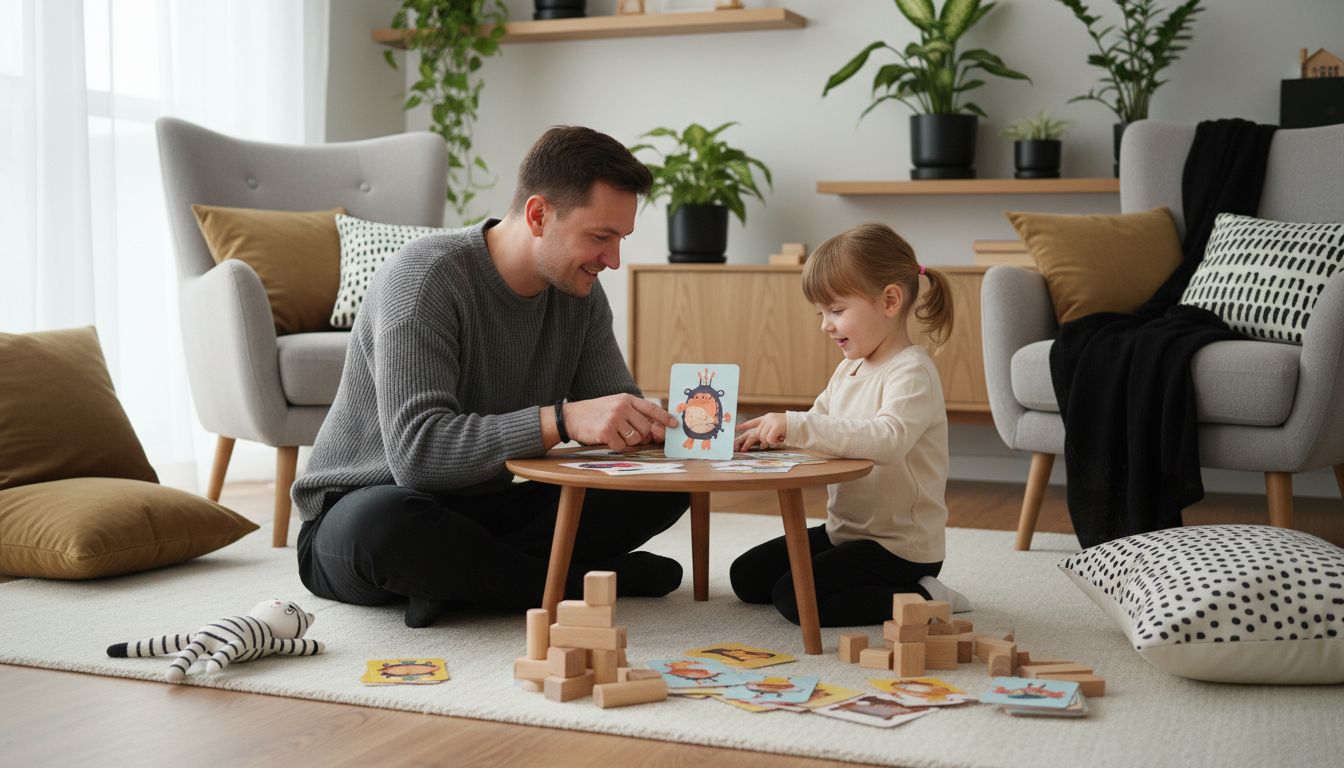
More than 60 percent of all children display their most vivid imagination when they feel safe and inspired. The right environment and appropriate impulses make the difference in storytelling. With creative ideas and a lovingly designed atmosphere, you not only promote storytelling joy but also strengthen language and imagination. Here you will find proven steps to develop unforgettable stories together with your child.
Table of Contents
- Step 1: Prepare an Inspiring Environment
- Step 2: Choose Age-Appropriate Everyday Topics
- Step 3: Develop Creative Characters Together
- Step 4: Design the Story Interactively and Personally
- Step 5: Check Enthusiasm and Learning Moments
Brief Summary
| Important Point | Explanation |
|---|---|
| 1. Create an Inspiring Environment | An inviting space promotes children's creativity and storytelling. Use soft seating and visual stimuli. |
| 2. Choose Age-Appropriate Topics | Use everyday experiences to develop stories. Make sure the topics are understandable and close to the child. |
| 3. Create Creative Characters Together | Actively involve your child in character development. Open-ended questions help stimulate imagination and create exciting characters. |
| 4. Tell Interactive Stories | Let your child influence the plot. Ask questions and encourage co-creation of the story for more engagement. |
| 5. Observe Enthusiasm and Learning Progress | Pay attention to your child's reactions while storytelling. Observations are important for development and learning. |
Step 1: Prepare an Inspiring Environment
An inviting and creative environment is key to motivating children to tell stories and unleashing their imagination. According to findings from herder.de, the design of the space plays a crucial role in stimulating children's creativity.
Create an area that radiates curiosity and inspiration. Choose a quiet spot with soft seating like cushions or a cozy blanket. Position props and visual stimuli that can spark imagination. As donbosco-medien.de recommends, picture cards or interesting objects can serve as story prompts.
Attention Parents: Avoid too many distractions. The room should be stimulating but not feel overcrowded. Reduce electronic devices and instead create a sensory atmosphere with soft lighting, quiet background music, or natural elements like plants. This way, you create an inviting environment that inspires your children to tell creative stories.
Step 2: Choose Age-Appropriate Everyday Topics
When selecting everyday topics for children's stories, it is crucial to find experiences that children truly understand and identify with. Herder recommends using children's everyday experiences as the foundation for collaborative storytelling.
Observe closely what concerns your child. Typical everyday situations like getting dressed, eating, playground visits, or family activities work wonderfully as starting points. As shown in donbosco-medien's story box, picture cards with typical situations can help find inspiration. Make sure the topics match your child's developmental stage.
Attention: Don't overwhelm your child with overly complex stories. Focus on topics that are emotionally close and understandable. If your little one is just discovering friendships at daycare, a story about a play experience could be perfect. Through age-appropriate everyday topics, you awaken your child's storytelling enthusiasm and creativity.
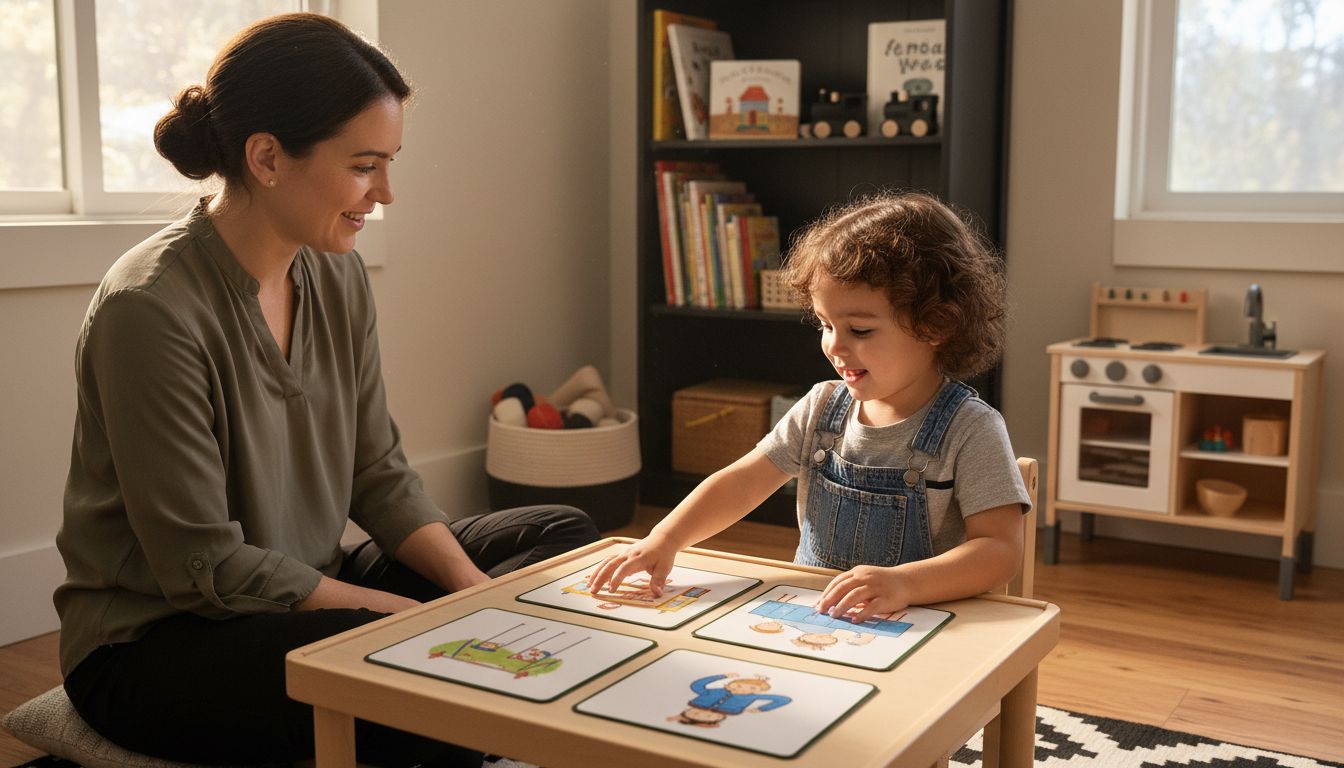 Choosing age-appropriate stories is the key to a shared creative adventure.
Step 3: Develop Creative Characters Together
Creating characters together is a wonderful way to foster your child's creativity and inspire their imagination. Herder emphasizes how important it is to actively involve children in character development and give them room for their own ideas.
Start with open-ended questions that encourage your child to think. For example, ask: "What does your main character look like? What does he especially like?" Donbosco-Medien shows that picture cards can be an excellent inspiration for helping children create interesting characters. Let your imagination run free. A character can be an animal, a person, or even an animated object.
Attention: Don't judge your child's ideas too critically. Every creative character idea, no matter how wild, is valuable and can form the foundation for an exciting story. Creative children's stories emerge when children have the freedom to unfold their imagination without limits. Encourage your child to name the character and think up special characteristics.
Step 4: Design the Story Interactively and Personally
Telling an interactive story means actively involving your child in the storytelling process and giving them the opportunity to co-create the plot. Herder emphasizes how important it is to involve children in the story process through targeted methods.
Use open-ended questions and prompts to stimulate your child's creativity. For example, ask: "What happens next?" or "How could your character solve this situation?" Donbosco-Medien shows with their flexible story box how picture cards can serve as an excellent source of inspiration. Let your child decide. Sometimes the story will take an unexpected and surprising turn.
Attention: Don't interrupt your child's storytelling flow too often. Give space for their own ideas and be a patient listener. Interactive stories for children show that the true magic of storytelling lies in the shared journey of discovery. Encourage your child to freely develop their thoughts and shape the story step by step.
Step 5: Check Enthusiasm and Learning Moments
Capturing your child's enthusiasm and learning progress during storytelling is a crucial moment in shared creative processes. Herder recommends closely observing children's reactions and drawing conclusions about their development from their expressions.
Pay attention to nonverbal and verbal signs of enthusiasm. Do your child's eyes light up? Are they attentive and full of excitement? Donbosco-Medien emphasizes that such moments are important indicators of language and emotional learning. After the story, ask specific questions about details and observe how detailed and creatively your child tells the story.
Attention: Don't judge the story too critically. It's about the process and the joy of storytelling. Learning through play shows that playful learning is the most effective way. Encourage your child and show genuine interest in their story.
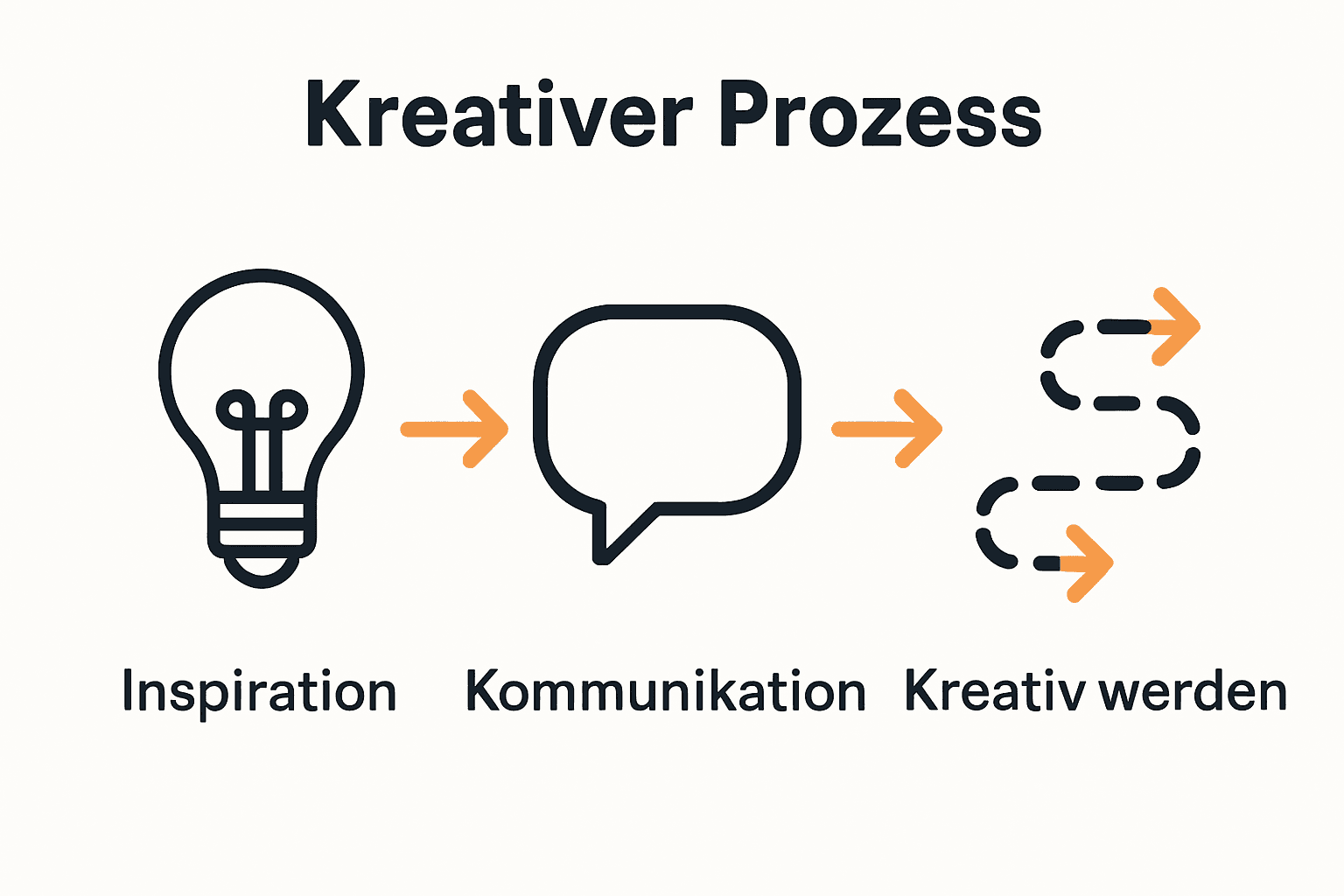
Create Creative Everyday Stories with Ease
Inventing everyday stories with children can be a challenge when it comes to finding the right topics and fostering imagination playfully. Many parents are looking for an inspiring solution that makes the storytelling process interactive and age-appropriate. The steps described in the article show how important an inviting environment, age-appropriate topics, and active involvement of children are to awaken their enthusiasm for storytelling.
With the upcoming educational platform Edory.ai, you will soon have a perfect tool at your disposal that meets exactly these needs. Our app generates personalized stories daily that are tailored to your child's age and interests. This creates a playful learning environment where creativity and language development can grow naturally. Discover more now on our page and get inspired by our collection of Uncategorized – Edory AI – Educational Children's Stories for creative ideas and practical tips.
Try it out and accompany your child on an exciting journey of discovery through personalized stories on Edory.ai. Start today and experience how easy the joy of shared storytelling and learning can be.
Frequently Asked Questions
How do I prepare an inspiring space for storytelling with children?
To create an inspiring space, choose a quiet location with soft seating and integrate visual stimuli such as picture cards or interesting props. Reduce distractions from electronic devices and create a pleasant atmosphere with soft lighting or music.
What everyday topics work best for storytelling with my child?
Everyday events that your child directly understands are ideal, such as getting dressed, eating, or visiting the playground. Observe what concerns your child and use these experiences as a basis for stories to encourage their creativity.
How do I develop creative characters together with my child for our stories?
Start by asking open-ended questions that spark imagination, such as "What does your character look like?" or "What does he like?". Let your creativity flow by using picture cards or other inspirations to create interesting characters.
How can I make the story interactive so my child actively participates?
Ask your child open-ended questions while telling the story, such as "What is your character thinking now?" or "How could this conflict be solved?". Let your child make decisions to personalize the narrative and allow for unexpected twists.
What should I consider when checking my child's enthusiasm for storytelling?
Pay attention to verbal and nonverbal signs of enthusiasm, such as shining eyes or attentive listening. Ask specific questions about story details to observe how creatively your child tells the story and encourage them to share their thoughts freely.
How can I ensure that storytelling is educational for my child?
Make storytelling playful and respond to your child's ideas and feelings without being too critical. Foster the process of learning through joy and creativity, and give your child space to develop their own stories.
Recommendation
- How Children Learn to Tell Stories: Step-by-Step Guide – Edory AI – Educational Children's Stories
- Fantasy Story Kindergarten: Tell Stories Creatively – Edory AI – Educational Children's Stories
- Support Children with Stories: Creative Ways for Parents – Edory AI – Educational Children's Stories
- Tell Stories Creatively with Children: Create Imaginative Stories – Edory AI – Educational Children's Stories