 edory
edoryHow Children's Fairy Tales Are Created: The Comprehensive Guide
· 13 minutes read
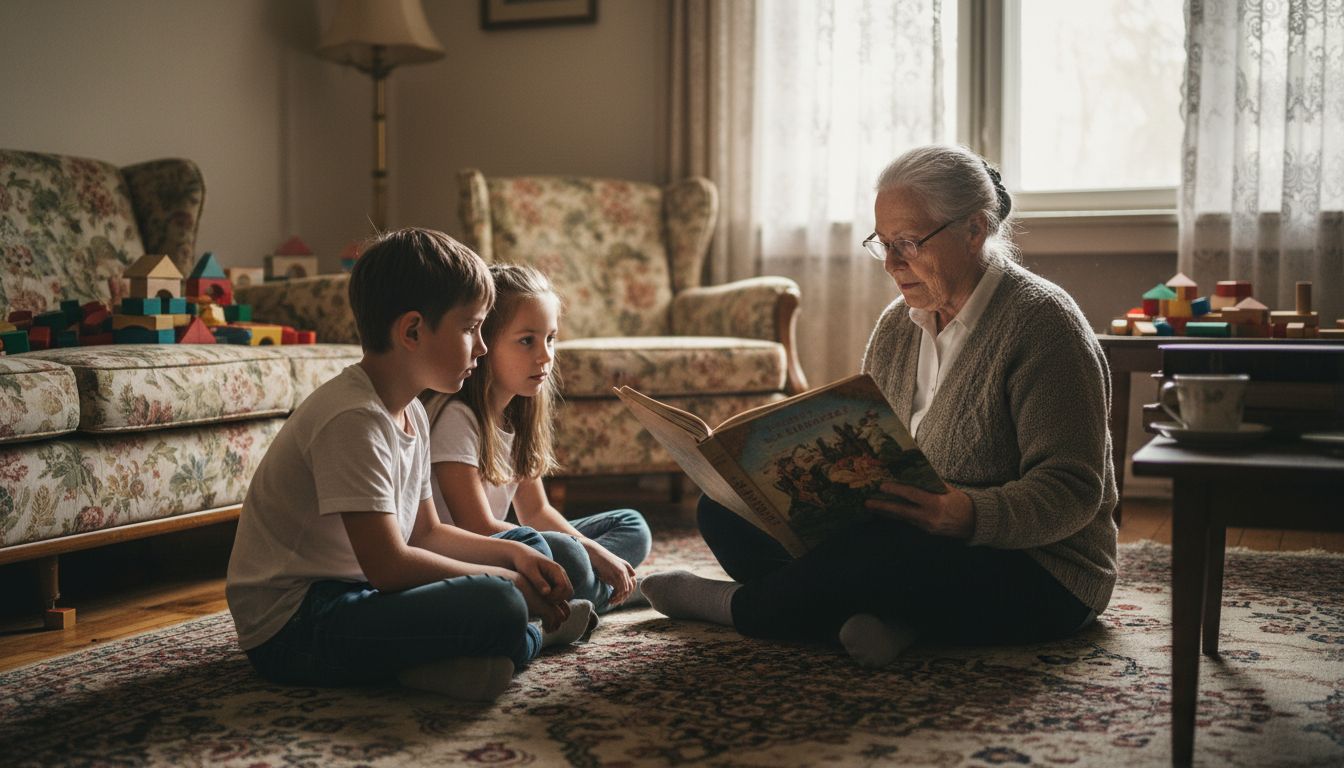
Over 80 percent of all people still remember fairy tales from their childhood in adulthood. Children's fairy tales fascinate not only through magic and wonder, but also shape the values and imagination of entire generations. Their roots, however, reach far back into the cultural history of countries such as Germany and France. Those who want to understand why fairy tales are so significant for children and how they continue to influence current developments today will find exciting insights here into the origins, structure, and impact of this special form of storytelling.
Table of Contents
- What Are Children's Fairy Tales? Origin and Definition
- Traditional and Modern Forms of Fairy Tales
- How Children's Fairy Tales Are Created: Processes and Influencing Factors
- Typical Characteristics and Narrative Structures of Children's Fairy Tales
- Educational Benefits and Risks in Children's Everyday Lives
- Creating Children's Fairy Tales Digitally: Opportunities and Challenges
Key Insights
Point | Details
Origin and Development | Children's fairy tales have their origins in oral traditions and reflect cultural approaches to values and morality.
Structure and Symbolism | Fairy tales follow typical narrative structures with clear moral messages and archetypal characters.
Educational Benefits | They offer children emotional coping strategies and promote social skills such as empathy and conflict resolution.
Digital Transformation | The digital revolution opens up new forms of storytelling, but also presents challenges regarding emotional depth.
What Are Children's Fairy Tales? Origin and Definition
Children's fairy tales are more than just fantastical stories. They are complex narrative works of art that have enchanted generations of children through their magical blend of fantasy and moral teaching. These traditional narratives convey universal messages and help children understand and process complex life situations.
The origin of children's fairy tales reaches far back into human cultural history. Originally, these stories were passed down orally — transmitted from generation to generation before they were ever written down. Traditional fairy tales often emerged in rural communities, where they served as a means of conveying values, moral lessons, and cultural knowledge.
The structure of children's fairy tales typically follows a classic pattern: a protagonist faces a challenge, undergoes trials and adventures, and grows through their experiences. Characters such as wicked witches, benevolent fairies, brave princes, and cunning animals symbolize different human traits and moral archetypes. These narrative elements help children explore complex emotional and ethical concepts in an accessible and entertaining way.
Fairy tales fulfill a deeper psychological function beyond pure entertainment. They offer children symbolic coping strategies for fears, conflicts, and challenges. By identifying with fairy tale heroes, children learn resilience, courage, and the importance of kindness and justice. These timeless stories reflect universal human experiences and support the emotional and moral development of young minds.
Traditional and Modern Forms of Fairy Tales
Fairy tales have undergone a remarkable evolution over time. From oral traditions in rural communities to modern digital forms of storytelling, they have preserved their essence: to enchant and teach people through stories. Modern fairy tales today integrate new technologies and societal changes into their narrative structure.
Traditional fairy tales were characterized by certain distinctive features. They were usually short, contained clear moral messages, and took place in a timeless, loosely defined world. Typical elements included magic spells, supernatural beings such as fairies and giants, and clear good-versus-evil constellations. The protagonists were often outsiders or orphans who overcame challenges through courage, cunning, and inner strength.
Modern forms of fairy tales expand upon these traditional structures. They reflect more complex social realities and incorporate more diverse characters and perspectives. Contemporary fairy tales experiment with narrative techniques, break classic patterns, and allow for more nuanced hero's journeys. Digital platforms and interactive media open up entirely new storytelling possibilities, in which children can actively participate in the development of stories.
The transformation of fairy tales mirrors societal developments. While traditional fairy tales often conveyed patriarchal and Eurocentric worldviews, modern versions strive for inclusivity, equality, and the representation of diverse life experiences. They communicate values such as empathy, acceptance, and individual empowerment. This evolution makes fairy tales a living, dynamic cultural heritage that continually adapts to the needs of new generations.
How Children's Fairy Tales Are Created: Processes and Influencing Factors
The process by which children's fairy tales come into being is a complex interplay of creative inspiration, cultural context, and narrative traditions. Storytellers do not develop fairy tales randomly, but according to carefully developed creative strategies. Imaginative stories emerge through a combination of personal experiences, cultural heritage, and the ability to translate complex emotions into accessible narratives.
The building blocks of a children's fairy tale begin with archetypal elements. Typical creative processes start with the development of a central conflict that drives the story forward. Characters are carefully constructed to represent specific moral or psychological dimensions. Supernatural elements, transformations, and magical twists serve not only as entertainment, but also as symbolic tools for illustrating deeper truths about human nature and experience.