 edory
edory
Nearly 90 percent of all preschool children in Germany have already had contact with digital media according to current studies. For parents, this means constantly finding new ways for children to benefit from media creatively and safely. Anyone who wants to understand how positive media education can really succeed will learn here what matters when guiding children in the digital world and how media can combine fun, learning, and family time.
Table of Contents
- Defining and contextualizing positive media education
- Variants of media education guidance at home
- How media competence grows playfully
- Clarifying parental roles and responsibilities
- Programs, support, and practical examples
Key Findings
| Point | Details |
|---|---|
| Positive media education | Instead of bans, parents should offer active guidance and support in dealing with digital media. |
| Shared media times | Introduce regular shared media times to promote trust and open communication. |
| Individual approaches | Adapt media use and rules to your children's specific needs and developmental stages. |
| Fostering creativity | Use digital media to create creative projects with your children, which strengthens media competence. |
Defining and Contextualizing Positive Media Education
Media education today means more than ever before an active and conscious guidance of children in the digital world. It encompasses not only controlling media consumption but aims to develop children into competent and reflective media users.
When considering modern media education, the central point is to provide children with orientation in the complex media landscape. This concretely means that parents and educators not only teach children technical skills but also emotional and social competencies that are crucial for responsible use of digital media.
The core approach of positive media education lies in active guidance and support: instead of demonizing media in general, it's about showing children how to use media creatively, informatively, and safely. Understanding media diversity and communication for children means giving them tools that promote their development.
Pro Tip for Parents: Introduce shared media times where you explore and reflect on digital content together with your children - this creates trust and open communication.
Here is an overview of important pillars of positive media education:
| Pillar | Description | Importance for Children |
|---|---|---|
| Guidance | Active parental involvement in media content | Creates orientation |
| Communication | Open exchange about digital experiences | Promotes reflection ability |
| Rules & Freedom | Clear structures with room for independence | Strengthens personal responsibility |
| Creativity | Jointly creating digital content | Supports learning experiences |
Variants of Media Education Guidance at Home
Media education guidance today means much more than just setting boundaries - it's about active and constructive support for children in the digital world. Parents can use various approaches at home to provide media education guidance to their children, far beyond simple prohibitions.
A central approach is joint dialogue and active exploration of digital content. This concretely means that parents show interest in their children's media experiences, consume and reflect on content together. It's important not to judge but to understand - for example, by asking children what they like and don't like about certain media content.
Particularly effective is individual support tailored to children's specific needs and developmental stages. This might mean setting stricter rules for younger children while fostering more personal responsibility and reflective ability in older children.
Pro Tip for Parents: Develop media usage rules together with your children - this promotes understanding and acceptance instead of confrontation.
How Media Competence Grows Playfully
Media competence develops not through bans but through creative and guided experiences. Children can learn playfully from early years to use digital media meaningfully and creatively by actively experimenting with various media formats under guidance.
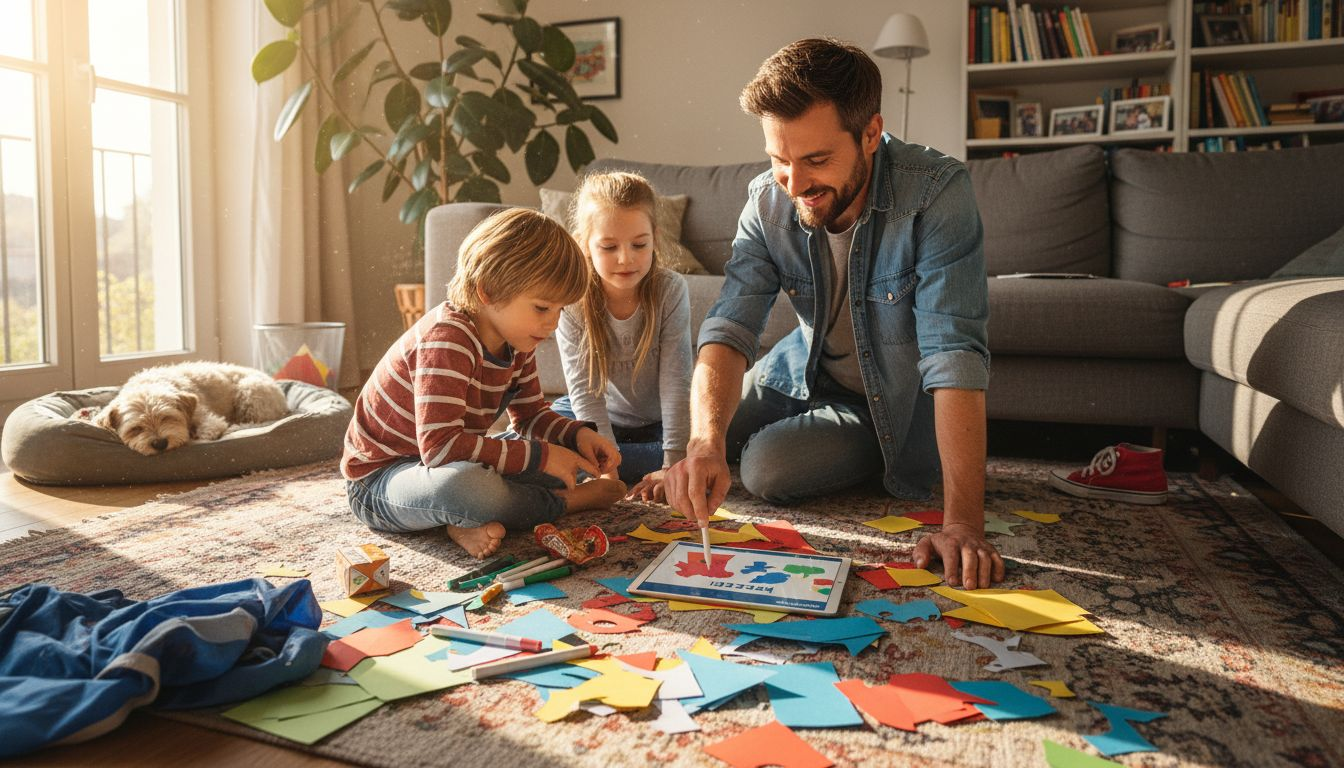
An important aspect is active creation and exploration of digital content. This might mean, for example, that children take their own photos, tell small stories digitally, or explore interactive learning games together with parents. Practice-based projects show how children can build media competence through digital photography and creative media offerings, with a focus on creativity and discovery.
What's crucial is a supportive attitude from adults: not controlling but supporting and jointly exploring the possibilities and limits of digital media. This means giving children room for experiments while also providing clear orientation and safety.
Pro Tip for Parents: Make media learning a joint adventure - be explorers and learning partners with your children, not just supervisors.
Clarifying Parental Roles and Responsibilities
Media education is a complex task that encompasses far more than simple bans and control. Parents must actively understand their role as role models and guides in the digital world to enable children to use media responsibly.
The central parental duty is to provide children with orientation and safety. This concretely means jointly exploring media content, recognizing risks, and at the same time using the opportunities of digital education. Media education support encompasses not only the home context but also guidance in school media activities.
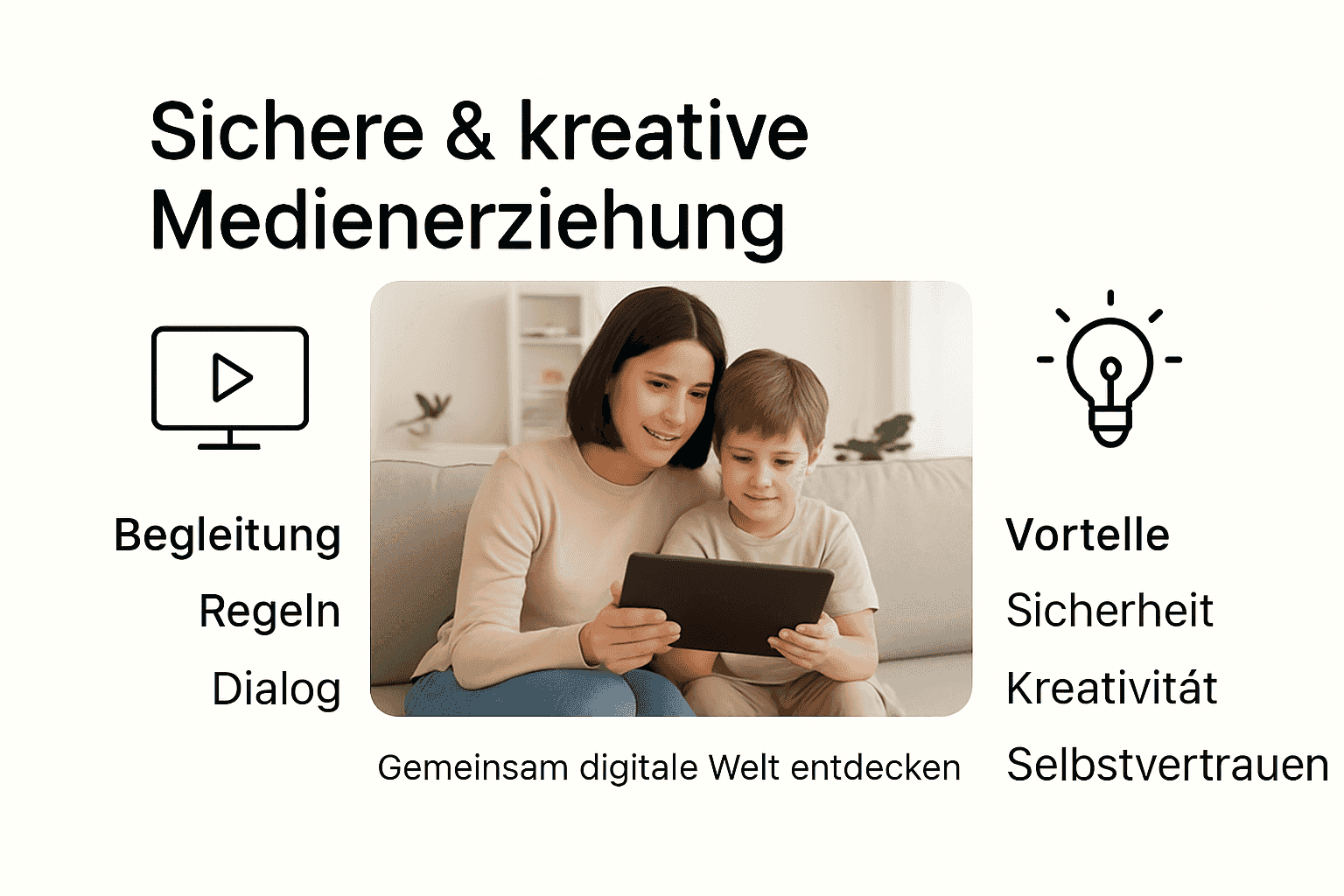
It's important to balance protection and independence. Parents should set clear rules but also give children room for their own experiences. This means arranging age-appropriate media times, using technical safeguards, and most importantly, keeping the conversation going.
Pro Tip for Parents: Develop media usage rules together with your children - this creates understanding instead of confrontation and promotes personal responsibility.
Programs, Support, and Practical Examples
Media education support today encompasses a broad spectrum of programs and resources that help parents guide children safely through the digital world. Child-friendly security apps can play an important role by offering age-appropriate content and control mechanisms.
Practical approaches to media guidance include interactive learning programs that convey media competence playfully. Important here are digital offerings that not only entertain but are also educational. Parents should deliberately select applications that promote creative thinking, problem-solving, and social skills.
Particularly effective are projects that shape media use as a shared experience. These include joint tablet activities, digital storytelling, or interactive learning games where parents and children work together. These approaches strengthen not only media competence but also the parent-child relationship.
Pro Tip for Parents: Always test new digital offerings first together with your children - this allows you to immediately reflect on and evaluate content.
Comparison of various programs and approaches to promote media competence:
| Approach/Program | Focus | Advantage for Families |
|---|---|---|
| Interactive learning apps | Promotion through games | Convey knowledge playfully |
| Security apps | Protection of child-friendly content | Enable safe use |
| Joint projects | Parent-child collaboration | Strengthens bonding and competence |
Positive Media Education Made Easy with Edory.ai
The challenge of today's media education lies in guiding children safely and creatively through the digital world. Children need orientation and support to not just consume media but to use it actively and thoughtfully. This is exactly where Edory.ai comes in. Our platform offers parents an innovative way to strengthen the positive pillars of media education such as guidance, creativity, and communication.
With Edory.ai, you receive daily new, individually customized children's stories that not only captivate but are also educationally valuable. This creates playful shared media moments that build trust and promote your children's media competence. Discover on our page Uncategorized – Edory AI – Educational Children's Stories how simple, personalized stories can support digital guidance.
Use this opportunity now and make media education a loving adventure. Visit Edory.ai and start together with your children into a safe and creative media world.
Frequently Asked Questions
What is meant by positive media education?
Positive media education refers to active and conscious guidance of children in the digital world to develop them into competent and reflective media users.
How can parents promote their children's media competence?
Parents can promote media competence by exploring media content together with their children, having open conversations, and initiating creative media projects.
What role does communication play in media education?
Communication is central because it promotes open exchange about digital experiences and strengthens children's ability to reflect.
What tips are there for successful media use at home?
Parents should establish clear rules for media use while creating space for personal responsibility and experimentation to support children's learning and creativity.
Recommendation
- 7 Learning Games for Toddlers to Promote Development – Edory AI – Educational Children's Stories
- Playful Learning: Creative Activities for Children 2025 – Edory AI – Educational Children's Stories
- Pedagogical Games with Children: Learning and Promoting Through Play – Edory AI – Educational Children's Stories
- Playing with Children Under 3: Creative Activities for the Littlest – Edory AI – Educational Children's Stories