 edory
edory7 Tips: Picture Books for Language Development in Preschool Children
· 14 minutes read
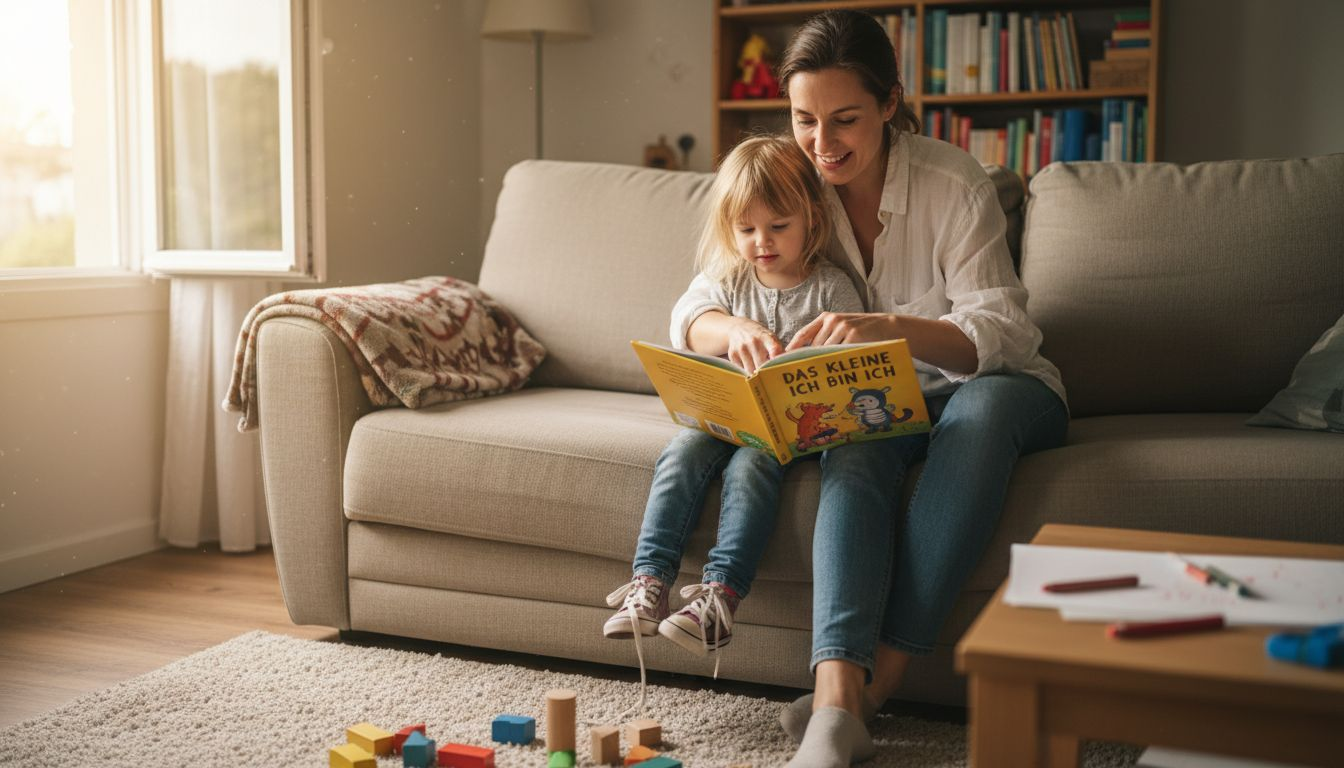
Almost 80 percent of all parents in Germany wish for effective support when it comes to promoting their preschool children's language development. During this important developmental phase, choosing the right books often determines success in building vocabulary. Those who opt for personalized picture books combine education with fun and noticeably strengthen the child's communication skills. In the following article, you will discover how picture books enrich everyday life and playfully open up new worlds of learning.
Table of Contents
- Why picture books are ideal for language development
- Discovering pictures and words together
- Strategies for exploring picture books together
- Asking questions and encouraging storytelling
- Effective questioning strategies when reading aloud
- Expanding vocabulary through repetition
- Strategies for effective vocabulary repetition
- Rhymes and language games in stories
- Creative methods for rhymes and language games
- Choosing age-appropriate topics deliberately
- Criteria for selecting books
- Incorporating picture book moments into everyday life
- Creative everyday moments for picture books
Quick Summary
| Key Point | Explanation |
|---|---|
| 1. Picture books expand vocabulary | By looking at picture books together, children get to know new words and their meanings in depth. |
| 2. Dialogic reading promotes active speaking | Open-ended questions encourage children to express their thoughts and develop their own narratives. |
| 3. Repetition consolidates language skills | Reading the same books multiple times helps children internalize words and use them with confidence. |
| 4. Rhymes promote language rhythm and creativity | Language games and rhymes make learning entertaining and support phonological awareness. |
| 5. Everyday integration makes language development easier | Incorporate short reading moments into daily routines to make language learning relaxed and natural. |
1. Why Picture Books Are Ideal for Language Development
Picture books are far more than just colorful pages to look at. They are powerful tools for language development in preschool children and offer a unique opportunity to expand language skills in a playful and loving way. Research clearly shows that looking at picture books together fundamentally supports vocabulary acquisition. Children not only learn new words but also develop a deeper understanding of language and communication. Through dialogic reading, children are actively involved in the story and encouraged to speak for themselves, ask questions, and express their thoughts.
Picture books are especially valuable because they engage multiple senses. The combination of images and text helps children understand connections and associate words with concrete ideas. When designed in a developmentally appropriate way, picture books can foster individual vocabulary and language skills in an age-appropriate manner.
Benefits of picture books for language development:
- Expanding vocabulary
- Promoting dialogic speaking
- Strengthening communication skills
- Developing language comprehension
Pro Tip: Choose picture books that actively encourage your child to join in speaking and thinking, and develop an interactive reading routine.
2. Discovering Pictures and Words Together
Discover a fascinating world of language with your preschool child through picture books. Looking at and exploring pictures and words together is a magical moment in language development. Children between the ages of three and six are particularly receptive to dialogic reading and interactive picture books. It is not just about reading stories, but about exploring pictures together, asking questions, and bringing stories to life. Through targeted questioning techniques, children are motivated to expand their vocabulary and communicate actively.
Strategies for exploring picture books together:
- Point out interesting details in the pictures
- Ask open-ended questions about what is happening in the images
- Encourage your child to tell stories
- Leave room for their own interpretations
Good to know: Search-and-find books and age-appropriate picture books offer excellent opportunities to learn language in a playful way. The variety of images encourages children to speak more and discover new words.
Pro Tip: Make reading aloud an interactive experience in which your child helps shape the story and discovers their imagination.
3. Asking Questions and Encouraging Storytelling
Asking thoughtful questions during reading is a key element of language development in preschool children. Through targeted questioning techniques, parents can motivate their children to actively tell stories and think critically. Dialogic reading is about not just letting children listen passively, but actively involving them in the story. Open-ended questions encourage children to use their individual vocabulary and express themselves verbally. In this way, they learn to formulate thoughts and develop their own interpretations.
Effective questioning strategies when reading aloud:
- Ask open-ended questions such as "What do you think happens next?"
- Encourage descriptions of pictures and characters
- Ask about the feelings and thoughts of the characters
- Let your child continue telling parts of the story themselves
Important: Focus on questions that require more than a yes or no answer. The goal is to encourage more complex verbal expression.
Pro Tip: Vary your questioning techniques and be