 edory
Best Bedtime Stories for Toddlers 2026
· 8 minutes read
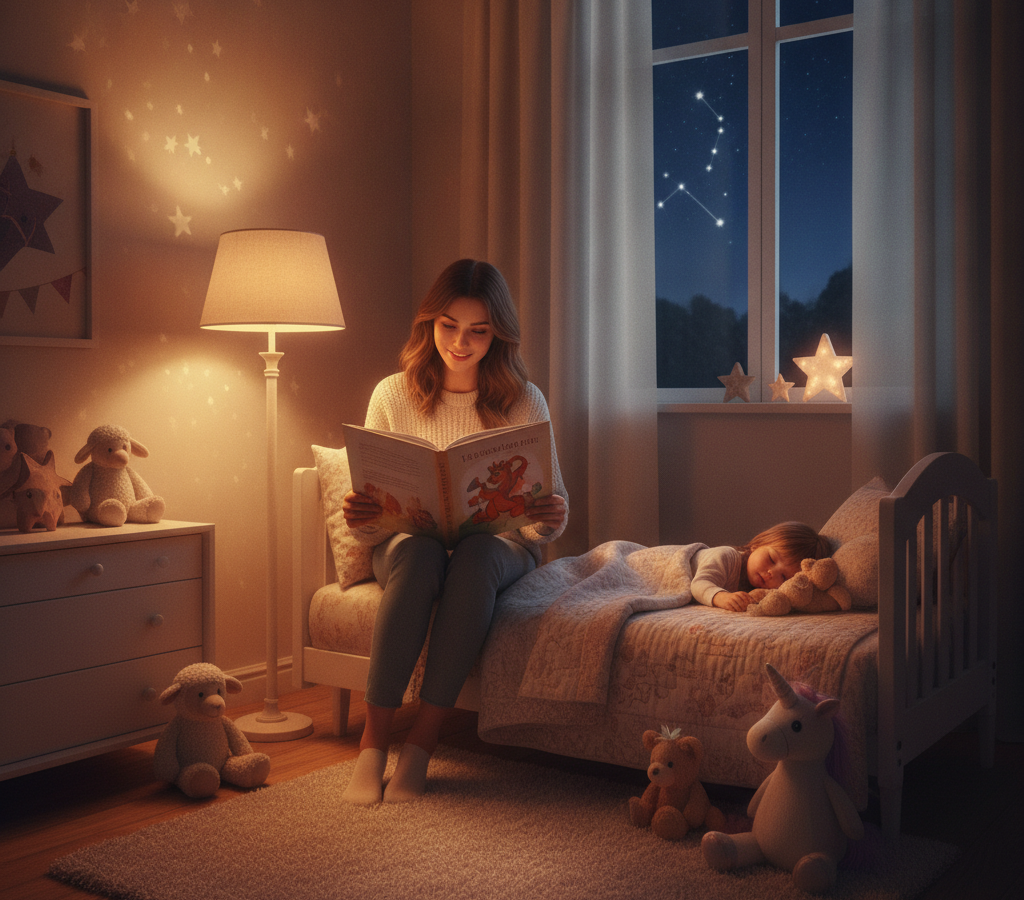
Which bedtime stories are best for toddlers? Every parent knows the moment: the child is lying in bed, their eyes growing heavy – and then comes the question: "Mommy, Daddy, tell me a story!" But which bedtime stories are best for toddlers? Not every story is equally well suited. Too exciting, and the child won't fall asleep. Too boring, and the little ones immediately lose interest. In this article, you'll find out what really matters – with concrete tips you can put into practice as early as tonight.
Why Bedtime Stories Are So Important for Toddlers
Bedtime stories are much more than just a nice sleep aid. They promote language development, strengthen imagination, and give toddlers a sense of safety and security. Studies in developmental psychology repeatedly show that children who regularly listen to bedtime stories have a larger vocabulary and develop social empathy more quickly. Even more important, however, is the emotional bond that forms during these quiet moments. The calm voice of a parent, the familiar story – that is pure quality time. No screen in the world can replace that.
- Language development: New words are learned in a playful way
- Imagination: Vivid descriptions stimulate the power of visualization
- Security: Rituals give toddlers structure and a sense of safety
- Empathy: Characters and their feelings help children understand their own emotions
What Types of Bedtime Stories Are Suitable for Toddlers?
Toddlers between 1 and 4 years old have very special needs when it comes to falling asleep. The story must be calm, simple in language, and positive in outcome. Here are the most popular and tried-and-tested types:
1. Animal Stories with Lovable Characters
Animals as main characters are absolutely popular with toddlers. A little rabbit finding its way home, a bear sharing his honey – such stories are easy to understand and emotionally engaging. Classics like "Guess How Much I Love You" or "The Gruffalo" have worked for years because they combine simple messages with warm-hearted characters.
2. Everyday Adventures from the Child's World
Stories that are close to the child's everyday life have a particularly calming effect. A story about a little boy who finds his teddy bear again, or a girl who sleeps in the dark for the first time – this speaks directly to toddlers because they immediately recognize themselves in it.
Imagine: your daughter Lena gets a story in which she herself is the main character. She sails across a magical lake in a rainbow boat and helps a starfish find its way home. The child not only falls asleep faster – they also dream more positively. That is exactly what apps like Edory AI make possible, conjuring up a fully personalized bedtime story from your child's name in seconds.
3. Calm Fantasy Stories with Positive Endings
Fairy tales and fantasy stories are wonderful – as long as they are not too exciting. For toddlers, the rule is: no frightening scenes, no open endings. The story should always end in a safe, warm home. A little dragon who finally discovers his spark of fire and then happily falls asleep – perfect!
4. Short Rhyming Stories and Verses
Rhymes have an almost magical effect on young children. The repetition and rhythm calm the nervous system and help with falling asleep. Many parents know the phenomenon: a certain poem or song that always works. Short rhymes are particularly suitable for children under 2 years old.
What to Look for When Choosing a Bedtime Story
Not every story that is marketed for toddlers is actually suitable. Here are the most important criteria you can use to choose:
- Simple language: Short sentences, familiar words – avoid complicated terms
- Calm narrative flow: No surprises or sudden twists just before the end
- Positive message: The child should drift off to sleep feeling calm and secure
- Appropriate length: For toddlers, 5–10 minutes is enough – longer is not better
- Relevance to the child: The more the child identifies with the character, the better
A common mistake: parents choose stories that they themselves enjoy – not the child. Observe what your child talks about during the day, what occupies them, what they are enthusiastic about. These themes should then also appear in the bedtime story.
Practical Tips for the Perfect Bedtime Routine
The best story is of little use if the surrounding conditions are not right. A good bedtime routine is just as important as the story itself.
Creating the Right Atmosphere
Dim the lights at least 30 minutes before bedtime. Avoid screens. A small bedside lamp or fairy lights create exactly the right mood. Many...