 edory
Bedtime Story: The Ideal Length for Children in 2026
· 7 minutes read
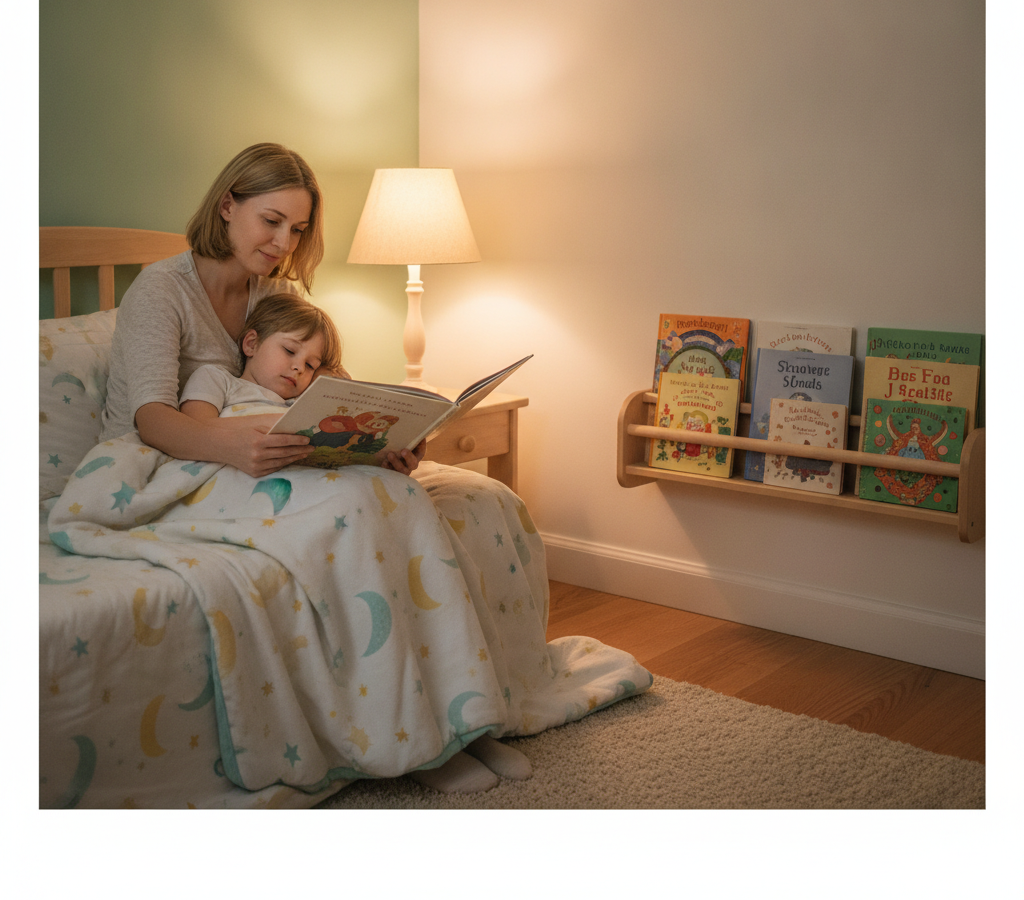
How long should a bedtime story for children last? Do you know the feeling? You're sitting at your child's bedside, reading the third story in a row – and wondering when enough is finally enough. The question of how long a bedtime story for children should last is something many parents grapple with. The good news: there's no perfect one-size-fits-all solution, but there are very helpful guidelines that have proven themselves in practice. In this article, you'll learn everything you need to know – from the ideal duration depending on age to tips on how to make the bedtime ritual as enjoyable as possible for your child.
Why the Length of the Bedtime Story Really Matters
Many parents underestimate the influence the duration of an evening story has on their child's sleep. Stories that are too short can mean the child hasn't yet wound down. Stories that are too long, on the other hand, can overstimulate or excite them, making it harder to fall asleep. Bedtime stories serve an important function: they signal to the child's brain that the day is coming to an end. This type of ritual lowers cortisol levels – the stress hormone – and prepares both body and mind for sleep. That's exactly why it's worth finding the right balance.
Too short: The child doesn't feel sufficiently accompanied and asks for more stories
Too long: Overstimulation, restlessness, difficulty falling asleep
Just right: The child relaxes, feels safe and secure, and falls asleep more easily
The Ideal Length by Age – A Practical Overview
Children are not small adults – and that applies to their attention spans too. What's perfect for a preschooler might already bore a school-age child. Here are our recommendations by age group:
Toddlers (1–3 years): 3 to 5 minutes
At this age, children cannot yet follow long storylines. Short, rhythmic stories with simple words and lots of repetition are ideal. Think of books like goodnight stories with only a few pages. Three to five minutes is plenty – often the little ones even fall asleep during the story.
Preschoolers (3–6 years): 5 to 10 minutes
Imagine your daughter Lena becoming a brave pirate who finds a lost treasure – in a story tailored specifically to her. Preschoolers love such personalized adventures! They can now follow slightly longer storylines and enjoy stories with a small narrative arc. Five to ten minutes is ideal at this age. Important: the ending should be calm and soothing so the child gently drifts off to sleep.
Primary school children (6–10 years): 10 to 15 minutes
Older children appreciate more complex plots, characters with depth, and small lessons embedded in the story. Ten to fifteen minutes is a good guideline here. At this age, bedtime stories can also address themes like friendship, courage, or problem-solving – stimulating the imagination without causing overstimulation.
Older children (10 years and above): flexible, but with a conclusion
From school age onward, many children switch to longer books read chapter by chapter. Here it's less important to stick to a fixed number of minutes – what matters is that the reading session ends at a natural stopping point and not in the middle of an exciting or unsettling scene.
How Long Should a Bedtime Story Last – and What Else Matters?
The duration alone is only part of the equation. Equally important are the atmosphere, the content, and the ritual surrounding the story. Here are the factors that sleep researchers and child psychologists repeatedly highlight:
Calm voice: Read slowly and quietly – this soothes the nervous system
Dimmed lighting: Creates the right sleep atmosphere and supports melatonin production
No screen light: Tablets or smartphones shortly before bed are counterproductive
Consistent timing: Every evening at the same time – the brain learns to prepare itself for sleep
Soothing ending: The story should close harmoniously, not on a cliffhanger
Apps like Edory AI allow parents to create personalized stories in seconds, with their own child as the main character. This is especially practical when you haven't had time in the evening to find a book – simply enter a name, choose a topic, and you're off.
Common Mistakes When Reading Aloud in the Evening
Even well-intentioned bedtime routines can go wrong. Here are the most common pitfalls parents should avoid:
Mistake 1: Starting too late
If the story only begins once the child is already overtired and cranky, even the most wonderful story can barely help. Plan the