 edory
edory
Did you know that children reach for books up to twice as often in an inspiring reading environment? A lovingly designed reading corner not only ignites imagination but also noticeably increases reading motivation. When you give your child space to discover and feel comfortable, you create the best conditions for joy in reading and sustainable learning success.
Brief Summary
| Main Point | Explanation |
|---|---|
| 1. Create an inviting reading corner | A cozy reading corner promotes a sense of security and supports your children's reading motivation. |
| 2. Involve your child in book selection | Having a say in book choice increases reading motivation and interest in reading. |
| 3. Use public libraries | Libraries offer diverse resources and professional advice for age-appropriate literature. |
| 4. Integrate learning moments while reading aloud | Ask questions while reading to encourage more interaction and understanding. |
| 5. Observe your child's reactions | Nonverbal signals show which stories resonate well and where their interest lies. |
Table of Contents
- Preparing an Inspiring Reading Environment
- Selecting Age-Appropriate and Personalized Stories
- Adapting Stories to Interests and Needs
- Integrating Learning Moments and Conversation Prompts
- Assessing Impact and Joy in Storytelling
Preparing an Inspiring Reading Environment
Creating an inspiring reading environment for children is more than just a physical space. It's about creating a magical place that sparks curiosity and invites children to discover. Following recommendations from schools in Baden-Württemberg, this begins with the deliberate selection and arrangement of elements that combine comfort and imagination.
Start with a cozy reading corner that feels like a personal refuge. Use soft blankets, colorful cushions, and perhaps a fluffy rug. Mobile reading islands in baskets or boxes offer additional flexibility and allow your children to design their reading area themselves. By involving your children in room design, you not only awaken their creativity but also boost their motivation to read.
Pay attention to adequate lighting without harsh glare. A warm-toned table lamp or indirect lighting creates a relaxing atmosphere. Position the reading corner away from distractions like television or loud play areas.
Tip: Occasionally change the decoration or location of the reading corner to avoid boredom and provide new inspiration.
Organize books visibly and accessibly. Use low shelves or book boxes that allow your children to independently select books. Clear presentation makes browsing an experience.
The reading environment should be inviting not just physically, but emotionally as well.
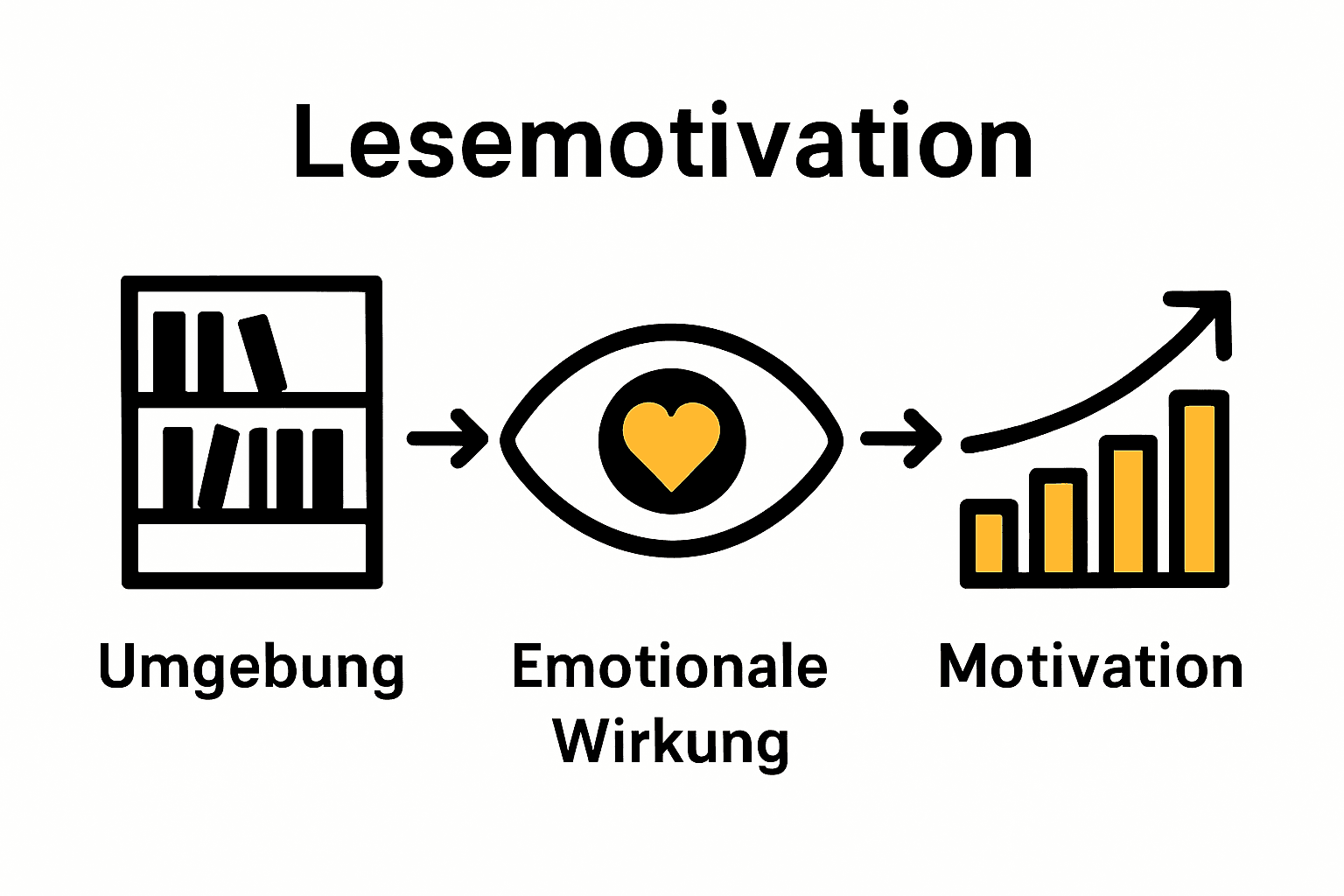 Create an atmosphere of security where stories come to life and your children feel safe and inspired. A well-designed reading space can be the beginning of a lifelong love affair with reading.
The next step awaits: Discover together the books that will emerge in this special environment.
Here's a comparison of the key elements of an inspiring reading environment:
| Element | Purpose/Added Value | Practical Examples |
|---|---|---|
| Cozy reading corner | SecuritynPeace | Cozy blanketsnColorful pillowsnRug |
| Flexible reading islands | IndependencenCreativity | BasketsnBook boxes |
| Good lighting | RelaxationnEye-friendly | Warm-tone lampnIndirect light |
| Book presentation | OverviewnEasy selection | Low shelvesnBook containers |
| Decoration/Changes | New impulsesnMotivation | Vary locationnThematic décor |
Selecting Age-Appropriate and Personalized Stories
Selecting the right stories for your children is an art that perfectly combines development and joy. Why Personalized Stories Matter for Children goes far beyond simple entertainment and touches important aspects of children's education and imagination.
Begin with an honest assessment of your child's interests and developmental stage. Each age requires different narrative complexity and themes. For toddlers, this means short stories with simple plots and colorful pictures. School-age children, on the other hand, can handle longer narratives with more complex characters and story arcs.
According to the Stiftung Lesen (Reading Foundation), regular reading aloud demonstrably improves school performance and especially supports children from less education-focused families. Choose books that not only entertain but also subtly stimulate learning processes.
Important: Let your child help choose books. Reading motivation increases tremendously when children feel they have a say in the decision.
Public libraries are valuable partners in this. They offer not only a huge selection but also professional advice for age-appropriate literature. Use their expertise and offerings such as picture book cinema or reading training programs.
Personalized stories add an extra magical dimension to this selection.
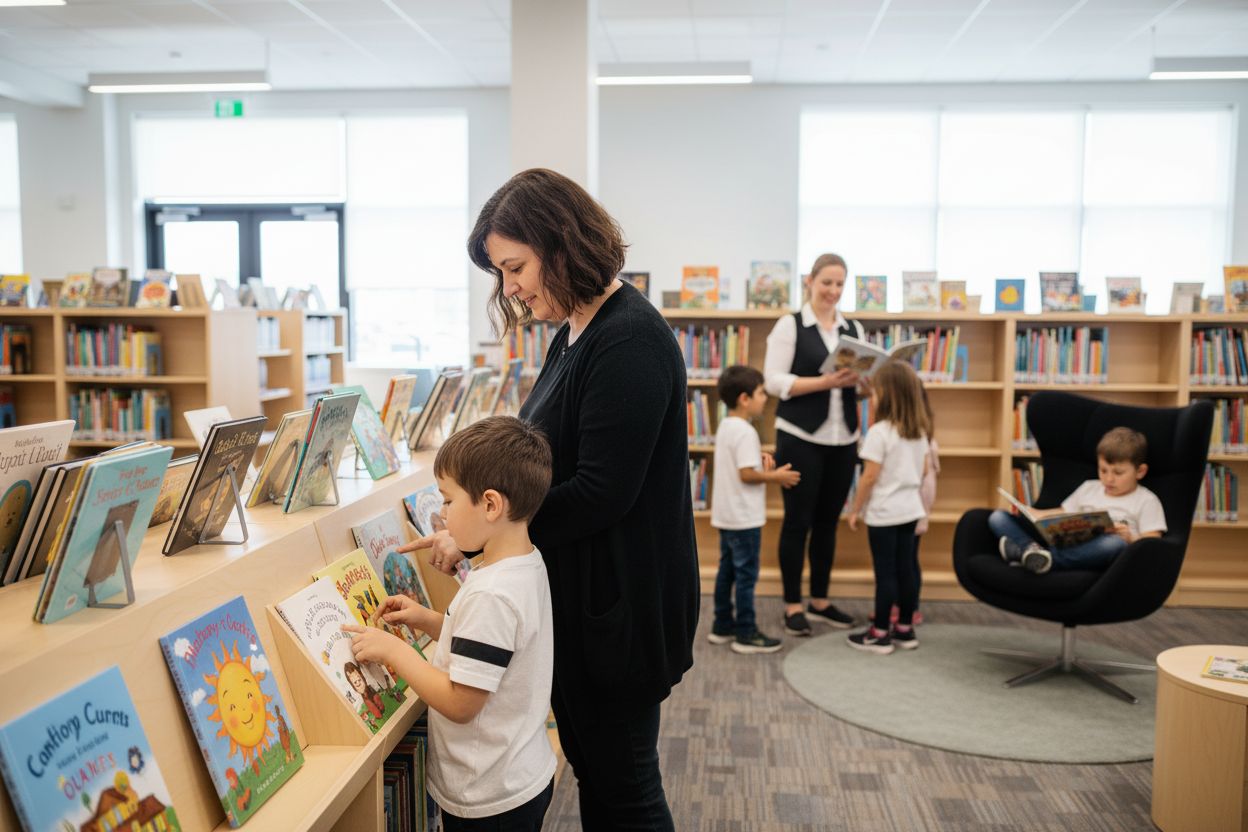 Stories that make the child themselves the protagonist greatly increase reading motivation and emotional connection.
Watch carefully how your child reacts to different books. Sometimes children surprise us with completely unexpected preferences. Be open and flexible in your choices.
The next step is already waiting: bringing the selected stories to life and together diving into new worlds.
Adapting Stories to Interests and Needs
Stories are not a one-size-fits-all solution—they are a living tool for communication and development. Selecting Age-Appropriate Stories: A Guide for Parents offers valuable insights into this delicate art of individual adaptation.
The Reading Monitor 2024 clearly shows: Especially during transition phases like kindergarten or school entry, customized reading-aloud experiences are crucial. Watch carefully which topics currently occupy your child's mind. Are they fascinated by dinosaurs? Then choose stories that combine adventure and prehistoric times.
Consider your child's current life situation. Is a move coming up? A story about change and new friendships can ease fears. Is school starting? Look for books that build anticipation and confidence.
Practice Tip: Let your child help shape stories. Ask for wishes regarding characters or story settings.
Parents are often under time pressure. Digital reading apps offer flexible alternatives that can be customized to individual needs. You can specifically choose story length, difficulty level, and topics.
Pay attention to emotional resonance. Not every story will delight equally. Be patient and willing to experiment. Sometimes it takes several attempts before a story really resonates.
Watch for nonverbal signals. A gleam in the eye reveals more than a thousand words. These moments are your compass needle for future book selections.
The next step awaits: immersing together in story worlds tailored precisely to your child.
Integrating Learning Moments and Conversation Prompts
Learning Through Games: Creative Methods for Playful Teaching shows that learning processes are far more than simple knowledge transfer. They are a shared journey of discovery between parents and children.
Every read-aloud session holds countless learning opportunities. According to education experts' recommendations, it's not just about reading words but bringing stories to life. Ask questions that go beyond the text. What would the child do in the protagonist's place? What feelings does a scene evoke?
Based on insights from schools in Baden-Württemberg, individual observation and targeted support are key to successful reading development. Watch for moments when your child is particularly attentive or asks follow-up questions.
Practice Tip: Have your child retell stories or continue them with their own ideas.
Libraries offer wonderful interactive formats like picture book cinema that create conversation opportunities. Use such offerings to expand your child's understanding and creativity.
Watch for nonverbal signals. A gleam in the eye, body posture often reveals more than words. These moments are precious opportunities for deeper conversations and understanding.
Make reading aloud an interactive experience. Sometimes switch roles—let your child read parts of the story or invent new ones. This turns reading into a living adventure.
The next step awaits: discovering new worlds and growing together through stories.
Assessing Impact and Joy in Storytelling
Understanding Age-Appropriate Stories: Meaning and Impact makes clear that storytelling is far more than simple entertainment activity.
A Focus Magazine study impressively demonstrates: Children who are regularly read to show better grades, more engagement in leisure activities, and significantly higher reading enjoyment. These findings make clear how important observation and evaluation of our reading-aloud practice is.
Watch for nonverbal signals. A gleaming eye, tense body posture, or enthusiastic questions are precise indicators of a story's emotional impact. These moments reveal more than a thousand words.
Practice Tip: Keep a brief journal of your child's reactions and favorite moments while reading aloud.
Following recommendations from schools in Baden-Württemberg, parents should deliberately use the learning environment as an evaluation medium. Observe how your child integrates what was heard into play and daily life. Does it reinterpret situations? Does it invent its own stories?
Create regular conversation opportunities. Ask not just about content, but about feelings and personal interpretations. What moved your child? Which character particularly fascinated them?
Stay open to surprises. Sometimes reading joy develops completely unexpectedly. A seemingly uninteresting book can suddenly become a favorite.
The next step is continuous adaptation. Every story is a new chance to grow and learn together.
Make Stories an Unforgettable Companion for Your Child
Many parents wish to deliberately encourage their children's imagination and actively accompany them with stories. Yet in everyday life, there's often a lack of time to select age-appropriate and truly fitting stories or to spontaneously respond to individual interests. The need for flexible support is great, especially when it comes to seamlessly integrating learning moments and emotional impulses into family life.
This is exactly where Edory AI – Educational Children's Stories comes in. The innovative platform transforms insights from "Accompanying Children with Stories" into digital experiences. Parents can generate new, customized stories daily for any age and interest. The combination of educational standards and modern AI creates a safe environment where your child is the center of attention.
Try Edory.ai now and experience how personalized stories make a difference. Be inspired and discover how creative, educational stories enrich your family's daily life. Start today and design reading time even more individually. Discover more tips and story ideas in the Uncategorized section – Edory AI – Educational Children's Stories.
Frequently Asked Questions
How do I find the best stories for my child?
To find the best stories for your child, consider their interests and developmental stages. Ask your child about topics or characters they find exciting, and select stories that match these preferences. Create a list of at least five books that meet these criteria to make selection easier.
How can I read stories in an engaging way?
To read stories engagingly, use different voices and tones for characters and vary your reading pace. Ask questions while reading to actively involve your child in the story. Practice this daily for about 15 minutes to foster positive dialogue.
What role does the environment play in reading aloud?
The environment has a major influence on the reading experience. Create a cozy reading spot with comfortable pillows and calming lighting to establish a relaxed atmosphere. Check regularly how your room's design affects your child's attention.
How can I support my child's storytelling skills?
You can support your child's storytelling by encouraging them to tell their own stories or retell what they've read. Ask questions like