 edory
edory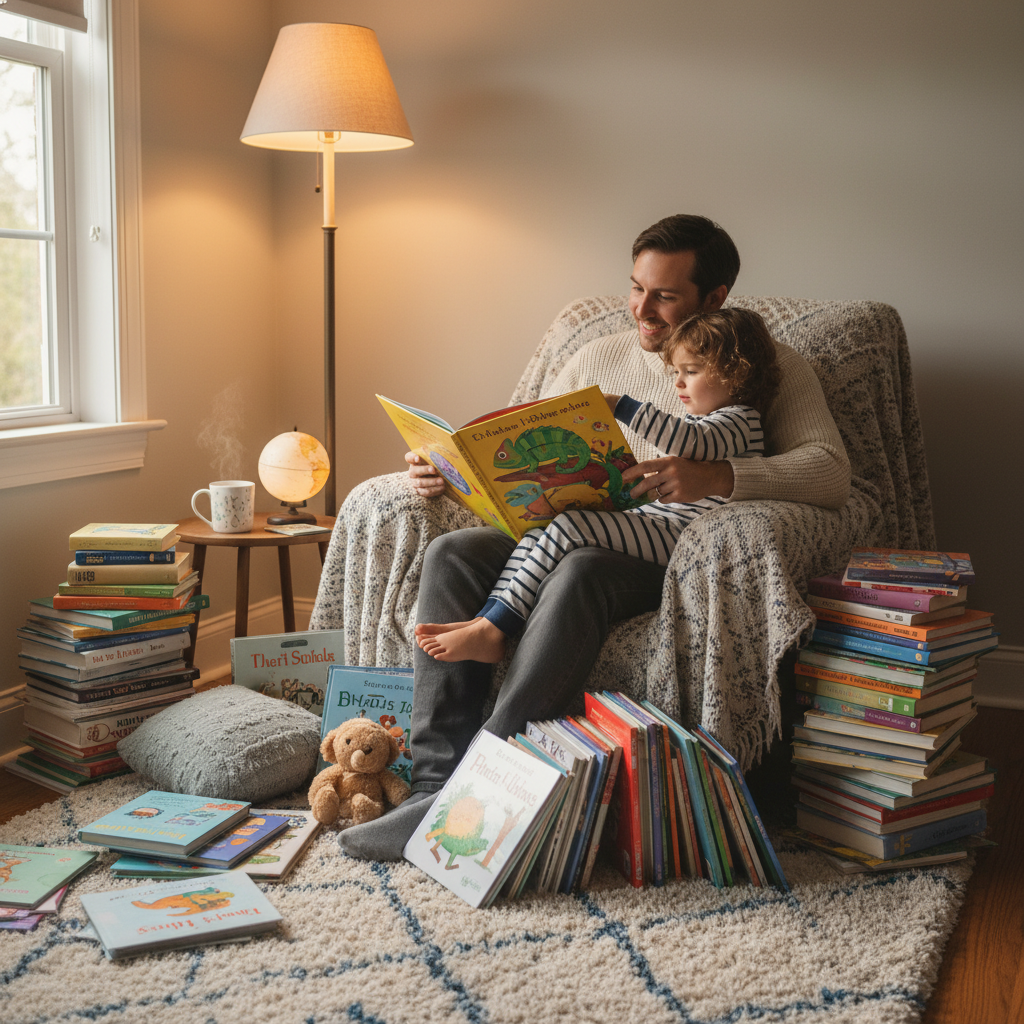
If you buy educational children's stories for ages 3 and up, you are making a wonderful decision that will have a lasting impact on your child's development. In a time when digital media dominates, high-quality children's books are regaining importance in 2026 as valuable educational resources.
Why educational children's stories for three-year-olds are so important
Three-year-old children are in a crucial developmental phase. Their vocabulary is exploding, they begin to understand more complex relationships, and they develop their first social skills. Educational stories support this natural development in a playful way.
Studies from 2026 show that children who are regularly read stories not only develop better language skills but also become more empathetic and creative. The combination of entertainment and education makes educational children's stories an invaluable tool for parents and educators.
The best places to buy educational children's stories for ages 3 and up
Online bookstores
Buying children's books online has become one of the most popular options in 2026. Large platforms offer a huge selection, detailed reviews, and often cheaper prices than brick-and-mortar bookstores. Particularly practical are the filter options that allow you to search specifically by age group and topic.
Many online retailers now also offer preview functions so you can get a look at the book before you buy it. This is especially helpful when you buy educational children's stories for ages 3 and up, as you can assess the difficulty level and illustrations.
Local bookstores
Despite digitalization, local bookstores are experiencing a renaissance in 2026. Many booksellers have specialized in children's literature and can give you personal recommendations. The advantage lies in expert advice and the opportunity to hold the books in your hands before purchasing.
Many bookstores also organize regular story hours and events where new titles are presented. This way, you and your child can get to know the stories beforehand.
Libraries and second-hand options
Libraries have significantly expanded their offerings in 2026 and now offer purchase options for withdrawn books in addition to traditional borrowing. These are often in good condition and available at very low prices.
Second-hand stores and online book exchanges are other cost-effective alternatives for obtaining high-quality children's stories. Especially with educational books, the condition is usually still very good because they are often treated carefully.
What to watch for when buying
Age-appropriate content and language
For three-year-old children, it is particularly important that the stories are not too complex but still offer sufficient learning potential. Pay attention to clear, simple language and topics that match your child's real-world experiences.
Good educational children's stories for this age group often deal with everyday situations like the first day of kindergarten, friendship, sharing, or dealing with emotions. These topics help children process their own experiences and learn new behaviors.
Quality of illustrations
For three-year-olds, pictures are at least as important as the text. High-quality illustrations support story comprehension and stimulate imagination. Look for colorful, detailed images that match the story and can convey different emotions.
In 2026, many publishers are using innovative illustration techniques that include tactile elements or even work with augmented reality. These interactive elements can greatly enrich the reading experience.
Educational value
Educational stories should do more than just entertain. Look for books that pursue concrete learning goals, whether it's conveying social skills, environmental awareness, or fundamental values such as honesty and helpfulness.
Many modern children's stories also integrate STEM topics (Science, Technology, Engineering, Mathematics) in a playful way to spark early interest in these areas.
Top topics for educational children's stories 2026
Sustainability and environmental protection
Environmental topics are more important than ever in 2026. Children's stories that playfully convey recycling, nature conservation, or sustainable consumption help raise environmentally conscious generations. These stories often show how small actions can have big impacts.
Digital competency
Although it seems paradoxical, many children's stories in 2026 convey conscious use of digital media. They highlight the benefits of the real world and help children find a healthy balance between digital and analog experiences.
Diversity and inclusion
Modern educational children's stories reflect the diversity of our society. They feature characters from different backgrounds, with different abilities, and from different family structures. This promotes tolerance and understanding from an early age.
Pricing and budget tips
Prices for educational children's stories vary greatly in 2026 depending on publisher, equipment, and point of sale. Simple board books are often available from 8-12 euros, while elaborately illustrated hardcover books can cost between 15-25 euros.
To save money when buying, you can:
- Buy book sets or series, which are often cheaper
- Take advantage of seasonal offers
- Subscribe to bookstore newsletters for exclusive discounts
- Join book exchange groups on social networks
- Use coupon promotions and cashback programs
The role of parents in reading aloud
Buying is only the first step – reading together makes the real difference. Studies show that the way stories are read aloud significantly influences the learning effect. Ask questions about the story, let your child make predictions, and discuss the lessons of the story.
In 2026, educators also recommend linking stories to real experiences. If a story is about sharing, you can take this up in everyday life and reinforce it.
Trends in educational children's stories 2026
The children's book industry continues to evolve. In 2026, we particularly see these trends:
- Personalized stories: Books in which your own child is the main character
- Multilingual editions: Stories that combine different languages
- Interactive elements: QR codes that lead to additional content
- Sustainable production: Books made from recycled materials with environmentally friendly printing processes
- Short learning units: Stories that specifically promote individual skills
Conclusion and purchase recommendation
When you buy educational children's stories for ages 3 and up, you are investing in your child's future. The right selection can sustainably promote language development, social skills, and creativity. Focus on quality over quantity and choose stories that match your child's interests and developmental stage.
It's best to start your search online to get an overview of what's available, then visit a local bookstore for personal advice. Don't forget that reading together is just as important as the stories themselves.
Start building your collection of educational children's stories today! Visit your local bookstore or browse online for the perfect stories for your three-year-old. Your investment in quality children's literature will pay off in the form of better language development and valuable shared moments.