 edory
edory
More than 60 percent of all AI-generated fairy tales fail to truly captivate children. The right combination of age group, theme, rhyme scheme, and characters determines how engaging and educational a story ultimately becomes. By engaging with the creative process, you learn step by step how to transform AI templates into independent fairy tales that spark curiosity and leave a lasting impression.
Table of Contents
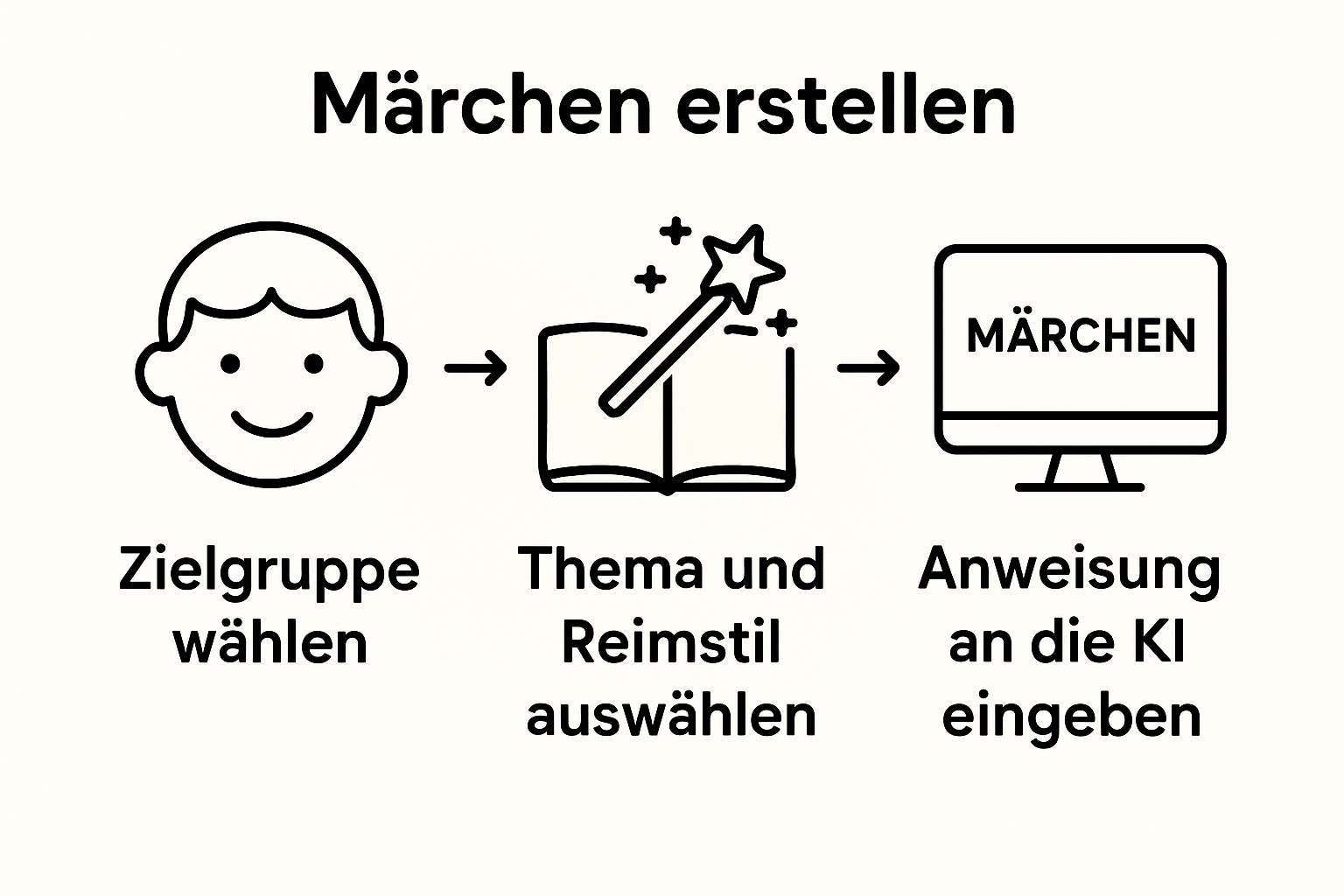
- Step 1: Choose an Age Group and Theme
- Step 2: Define Rhyme Style and Central Characters
- Step 3: Formulate Your AI Assignment Precisely
- Step 4: Personalize the Rhyming Fairy Tale
- Step 5: Review and Optimize the Result
Quick Summary
| Important Point | Explanation |
|---|---|
| 1. Determine age group precisely | Choosing the age group determines the narrative style and complexity of the fairy tale for children. |
| 2. Adapt theme selection accordingly | Choose exciting and age-appropriate themes to spark children's curiosity and imagination. |
| 3. Select and design rhyme style | The rhyme style should be musical and appealing to capture children's attention. |
| 4. Formulate precise AI assignment | A detailed description helps the AI implement your ideas for the story accurately. |
| 5. Carefully review and optimize fairy tale | Pay attention to language flow and emotional impact to create a captivating and educational story. |
Step 1: Choose an Age Group and Theme
When creating AI-generated fairy tales, your creative process begins with the most important decision: selecting the appropriate age group and the right theme for your story. This first step largely determines how appealing and understandable your fairy tale will be for young listeners.
Start by precisely defining the age group of your target audience. Each developmental phase of childhood requires a different narrative style and level of complexity. For preschoolers between 3 and 5 years old, short, simple stories with clear storylines and few characters are ideal. School-age children between 6 and 10 years can already process more complex plots and moral messages. Choose themes that spark curiosity while being age-appropriate.
After determining the age group, focus on an exciting theme. Look for motifs that would fascinate children. These could be adventures in foreign worlds, stories about friendship, courage, or magical encounters. Make sure the theme is age-appropriate and emotionally stimulating. A good AI fairy tale thrives on its ability to entertain children while subtly educating them.
As a tip, I recommend immersing yourself in the thought world of the respective age group. What would a child of this age find particularly exciting or moving? Which themes speak to their imagination and emotional world? The better you can answer these questions, the more successful your AI-generated fairy tale narration will be.
In the next step, we will prepare concrete inputs for your AI storytelling software.
Step 2: Define Rhyme Style and Central Characters
Now that you have established the age group, it's time to choose the rhyme style and define the central characters of your AI-generated fairy tale. This step is crucial for the charm and impact of your story.
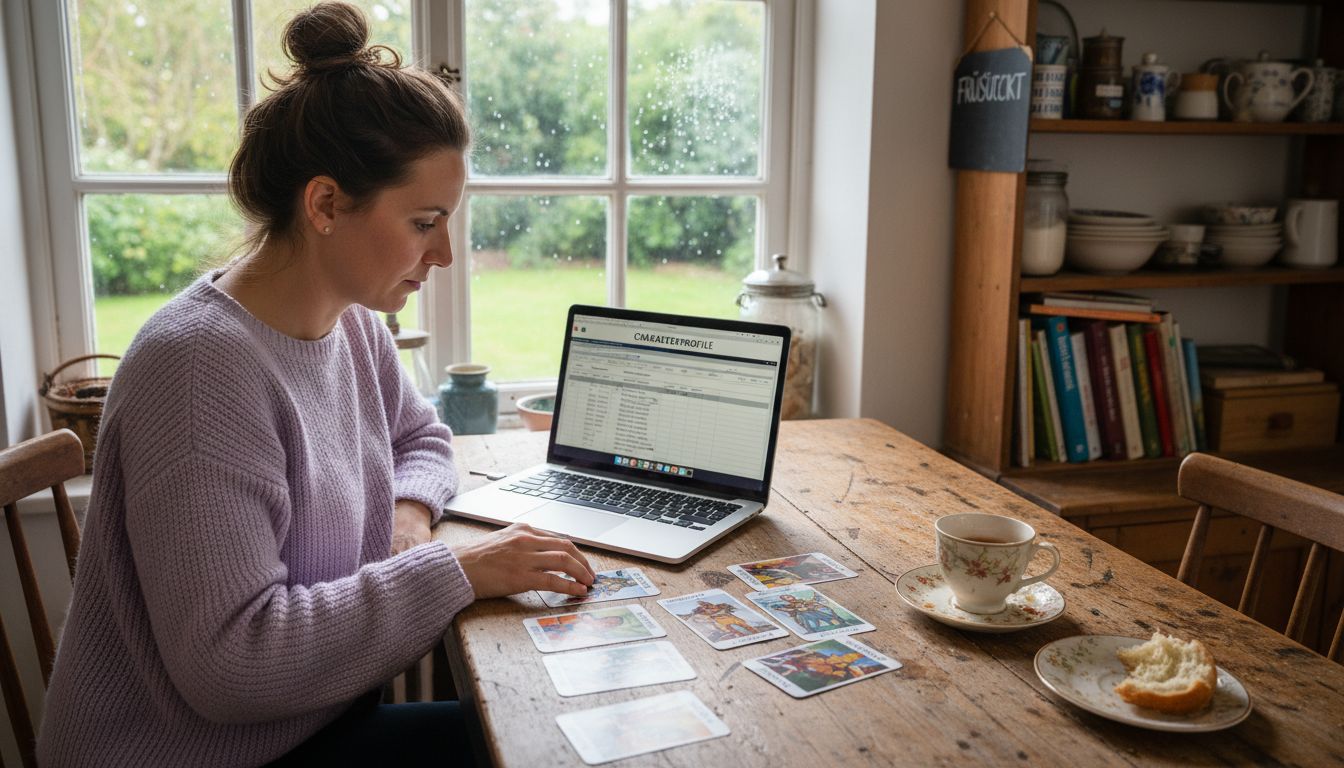
When selecting the rhyme style, orient yourself to the tradition of fairy tale poetry. Classic fairy tales often use four-beat trochees with couplets, which create a melodic and memorable rhythm. This style is excellent for children's stories because it has a musical quality that fascinates children and encourages them to join in. Experiment with different rhyme forms such as couplets, cross rhymes, or rhyme chains to find the right tone for your story.
In character design, it's important to define clear opposing pairs that are typical of fairy tales. Think of characters whose properties and roles clearly contrast with each other: a brave hero against a cunning antagonist, a poor orphan against a wealthy ruler. This constellation creates tension and makes the story particularly interesting for children.
My tip: Make sure your main characters are age-appropriate. A hero for preschoolers should be simple and relatable, while school-age children appreciate more complex characters with greater depth. The rhyme style can help underline the characters' traits and bring them to life.
In the next step, we will develop concrete character descriptions and rhyme templates for your AI.
Step 3: Formulate Your AI Assignment Precisely
Now the creative process begins, where you give your AI concrete instructions for the fairy tale. A precise and well-thought-out formulation of the assignment is crucial for a successful result and largely determines the quality of your generated story.
The key lies in the detail of your instructions. The more precisely you describe your ideas, the better the AI can meet your expectations. Provide clear information about characters, story arc, desired rhyme scheme, and moral message. Don't just describe superficially; go into depth: What qualities should the protagonist have? How should the antagonist be characterized? What twists would you like in the plot?
Formulate your assignment like a love letter to imagination. Use striking and vivid language that matches your target audience. For preschoolers, that means simple, clear sentences with few adjectives. For school-age children, you can use more complex descriptions that allow for more nuance and emotional depth.
As a tip, I recommend reading your first draft aloud. Does it sound natural? Would a child enjoy listening to this fairy tale? Keep revising until you feel a sense of authenticity and magic.
In the next step, we will enter your AI instruction into the storytelling software and generate the first raw material.
Step 4: Personalize the Rhyming Fairy Tale
After generating your basic fairy tale, the most exciting part begins: refining and personalizing your AI-generated story. The goal is to give the fairy tale your own personal touch and transform it from a standardized narrative into a unique work of art.
Personalization starts with a critical reading of the raw manuscript. Pay close attention to places where you can creatively interpret how fairy tales come into being and their narrative structure. Adapt plot twists, refine dialogue passages, and work deliberately on the linguistic design. A fairy tale lives through details—one word here, one expression there can transform the entire narrative flow.
Pay special attention to the emotional component. Fairy tales are more than just stories; they are carriers of values and messages. Add subtle nuances that underscore your personal interpretation. Perhaps you want to emphasize a particular character trait more strongly or incorporate an unexpected twist that makes the fairy tale unique.
My tip: Read the fairy tale aloud. How does it sound? Would it captivate a child? Every rhyme should be musical and memorable. Delete passages that sound awkward or disrupt the rhythm. A good fairy tale must not only be understood but also enjoyed.
In the next step, we will create the final version of your personalized fairy tale and make the last refinements.
Step 5: Review and Optimize the Result
Now we have arrived at the decisive point where your AI-generated story takes its final form. Careful review and optimization is the final touch that transforms your fairy tale from good to outstanding.
Begin with a systematic review. Read the fairy tale first for yourself and pay attention to the importance of fairy tales for children. Concentrate on clarity, language flow, and emotional consistency. Every rhyme should not only be correct but also possess a musical quality. Check each verse for rhythm, sound, and effect. Delete passages that sound clumsy or interrupt the narrative flow.
Optimization encompasses more than just linguistic refinement. It's about reviewing the story for its pedagogical and emotional impact. Ask yourself: Does the fairy tale convey the intended message? Are the characters believable and appealing? Is children's imagination stimulated? Small changes at these points can have major effects.
My tip: Have children or other adults do a test read of the fairy tale. Their reactions and feedback are priceless. Sometimes other ears discover nuances or improvement potential that you yourself may have missed. Listen carefully and be open to constructive suggestions.
In the final step, we will format the fairy tale and prepare it for printing or digital presentation.
Create Simple and Personalized Rhyming Fairy Tales with Edory.ai
Creating AI-generated fairy tales presents many parents and educators with the challenge of finding the right balance between child-friendly language, appropriate rhyme styles, and emotional content. The goal is to entertain children while promoting their imagination and values. Clear guidelines like this step-by-step guide help, but the greatest desire remains the individual story tailored precisely to the child's age, interests, and needs.
This is exactly where Edory.ai comes in. Our platform makes it possible to easily generate personalized and rhyming fairy tales that contain exactly the themes and characters that fascinate children. With an educational focus, always age-appropriate and refined with musical rhymes, Edory creates a safe and trustworthy solution for anyone seeking new stories regularly. Discover now on the page Uncategorized – Edory AI – Educational Children's Stories how you can create creative fairy tales step by step and accompany your child with exciting tales into the land of imagination.
Take the opportunity to revolutionize your fairy tale creation and start today with Edory at https://edory.ai. This way, you give children magical moments full of inspiration and education every day.
Frequently Asked Questions
How do I choose the right age group for my AI-generated fairy tale?
To choose the right age group, consider what developmental stages children go through in different age ranges. For preschoolers (3-5 years), stories should be simple and clear, while school-age children (6-10 years) can handle more complex plots. Define the age group and consider the needs and interests of the children.
What topics work best for AI-generated fairy tales?
Choose topics that fascinate children, such as adventure, friendship, or magic. Make sure these are presented in an age-appropriate way. Brainstorm a list of topics and decide which ones offer the best emotional appeal.
How do I define the rhyme style for my fairy tale?
Orient yourself to classic fairy tales, which often use couplets or cross rhymes. Experiment with different rhyme forms and choose the one that has the desired musical quality. Test the rhyme style by reading it aloud to hear how it sounds.
How do I formulate my instructions for the AI precisely?
Ensure that your instructions are detailed and contain clear information about characters, plot, and rhyme scheme. Describe character traits and desired plot twists thoroughly. Revise your instructions until they are clear and easy to understand.
What are the best methods for personalizing my AI-generated story?
Carefully read through the raw manuscript and look for places where you can creatively adapt it. Add emotional nuances that underscore your personal touch. Test the improved fairy tale aloud to ensure it achieves the desired effect.
How do I review and optimize the final fairy tale?
Conduct a systematic review, focusing on language flow and emotional impact. Have other people read the fairy tale and provide feedback. Revise the manuscript based on this feedback to improve quality.