 edory
edory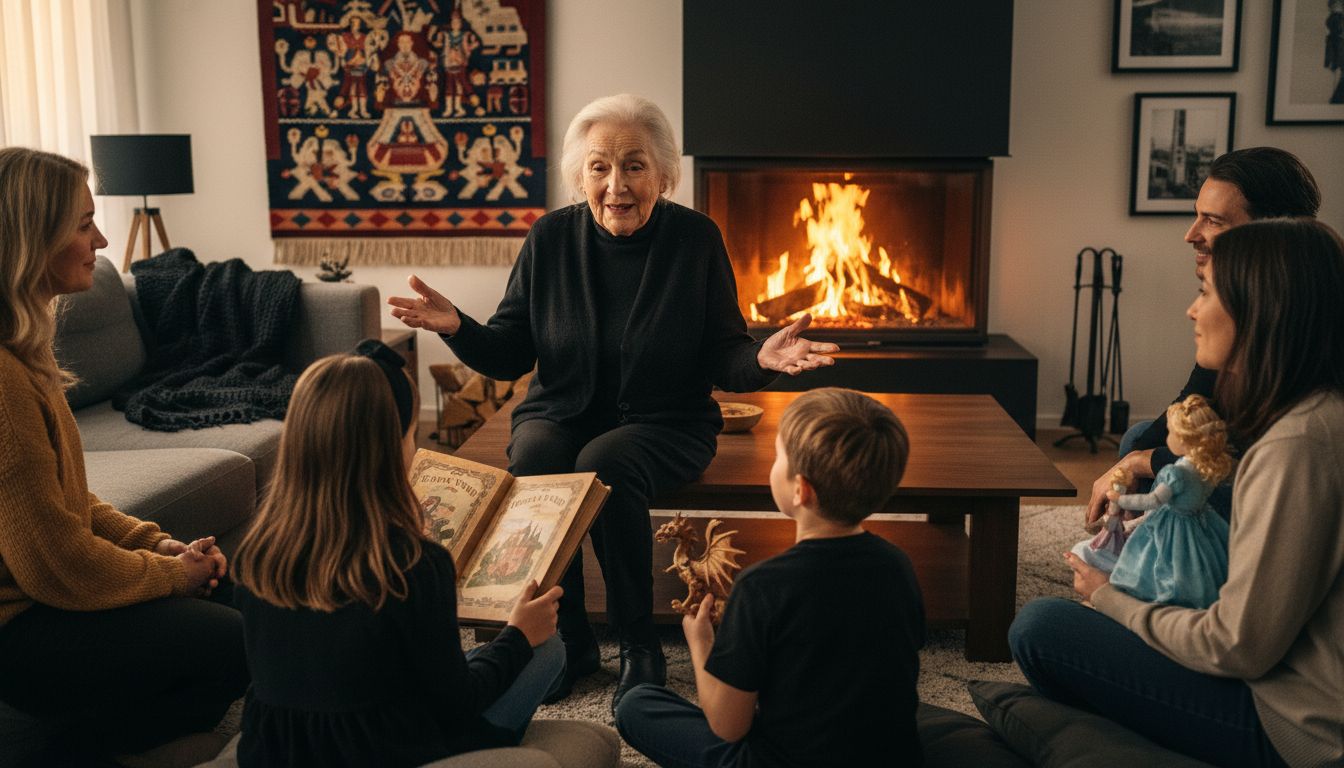
Fairy tales are more than just imaginative children's stories. They have accompanied people for centuries and transport cultural values and life experiences in a magical way. Over 90 percent of all known fairy tales come from oral tradition and were only written down later. Those who understand what a fairy tale really is discover a rich world full of symbols, wisdom, and timeless lessons that connect generations with one another.
Table of Contents
- What is a Fairy Tale?
- The Difference Between Folk and Literary Fairy Tales
- How Do Folk Fairy Tales Develop Orally?
- From Oral to Written Form
- Typical Features and Narrative Structure of Fairy Tales
Key Takeaways
| Point | Details |
|---|---|
| Fairy Tales as Cultural Heritage | Fairy tales transport universal human experiences and moral lessons in a magical form. |
| Difference Between Folk and Literary Fairy Tales | Folk fairy tales are based on oral tradition, while literary fairy tales are consciously created by individual authors. |
| Development of Oral Fairy Tales | Folk fairy tales developed collectively and adapted to social changes. |
| Narrative Structure of Fairy Tales | Fairy tales follow a clear structure with protagonists, obstacles, and a moral message. |
What is a Fairy Tale?
Fairy tales are timeless narratives that are much more than simple children's stories. They are complex cultural traditions with deep psychological and educational dimensions. Fairy tales transport universal human experiences and moral lessons in a magical, metaphorical manner.
Originally, fairy tales were told orally from generation to generation long before they were written down. They served not only for entertainment but also for passing on values, behavioral rules, and collective wisdom. Typically, supernatural beings like fairies, dwarves, dragons, or enchanted princes play a central role in fairy tales, representing symbolic meanings.
The structure of fairy tales usually follows a similar pattern: A protagonist faces a great challenge, goes through trials and adventures, and grows personally in the process. In the end, good usually triumphs over evil, and the main character is rewarded for their virtues and heroic journey. Why Fairy Tales Are Important for Children and Families becomes especially apparent in their ability to convey complex emotions and moral dilemmas in a child-friendly way.
Modern fairy tales have certainly changed, but they preserve their core function: they are stories that stimulate imagination, promote emotional intelligence, and help children understand the world. They are more than mere entertainment—they are an important educational tool for developing empathy, creativity, and moral understanding.
The Difference Between Folk and Literary Fairy Tales
Folk fairy tales and literary fairy tales are two different literary forms that differ fundamentally in their origins, creation, and transmission. While folk fairy tales come from oral tradition and were passed down from generation to generation, literary fairy tales are consciously created and written down by individual authors.
Folk fairy tales developed over the course of centuries in popular speech and were originally told orally. They reflect the culture, values, and traditions of a particular community. Characteristic of folk fairy tales are standardized narrative patterns, recurring figures like witches, sorcerers, or enchanted princesses, and a clear moral message. The Difference Between Fairy Tales and Fables becomes particularly apparent here, as folk fairy tales exhibit more complex narrative structures.
Literary fairy tales, on the other hand, are literary works consciously composed by individual writers such as the Brothers Grimm, Hans Christian Andersen, or E.T.A. Hoffmann. They do not follow the strict traditional patterns of folk fairy tales but allow themselves more artistic freedom. Literary fairy tales are often more reflective, psychologically complex, and can contain socially critical elements.
Both forms of fairy tales, however, share central characteristics: they possess a magical component, transport universal human experiences, and offer symbolic levels of interpretation. Whether traditionally handed down or artfully created—fairy tales remain a fascinating medium for conveying values, emotions, and human developmental processes.
How Do Folk Fairy Tales Develop Orally?
The development of folk fairy tales is a fascinating process of cultural transmission that evolved over generations. Orally transmitted stories were not written by individual authors but collectively created and passed on. They arose in social contexts such as family gatherings, during work, while engaging in common activities, or during evening entertainment.
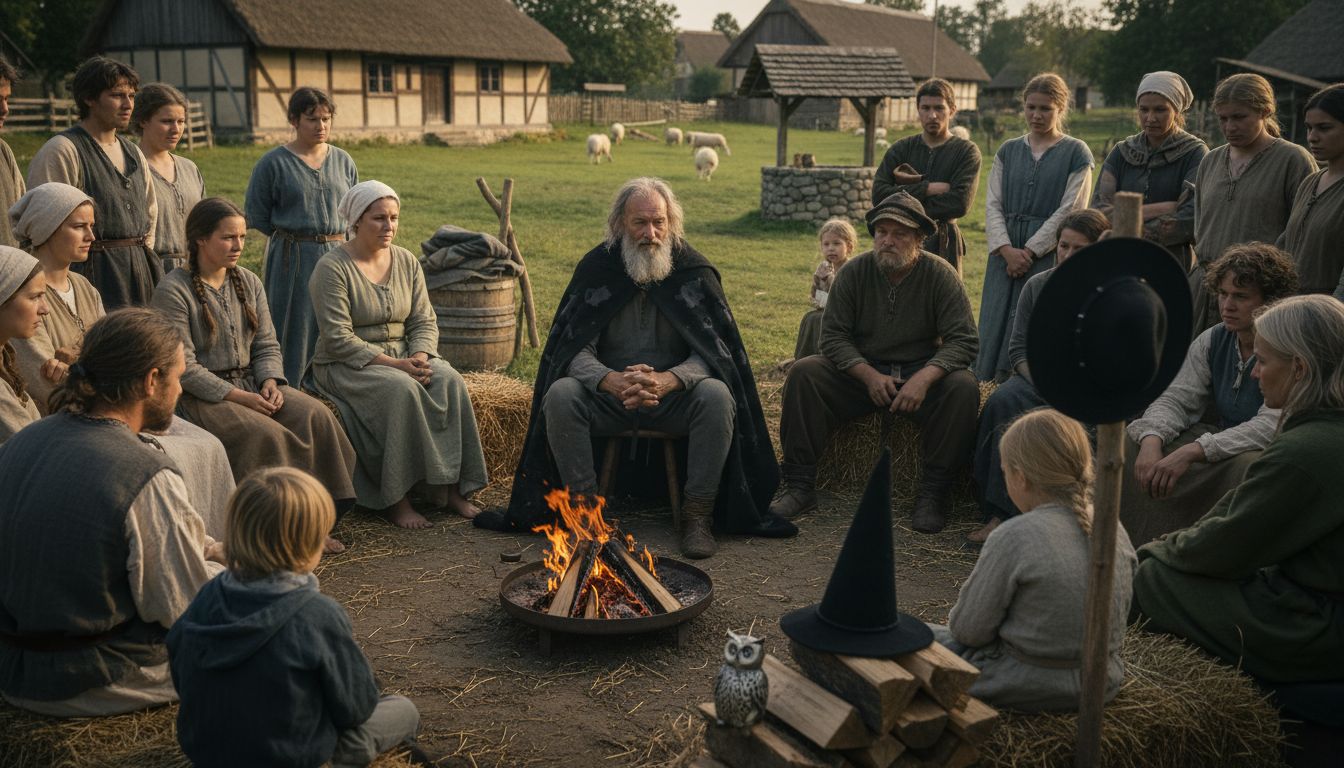
The process of oral transmission functioned as a dynamic, creative mechanism. Storytellers slightly changed and interpreted fairy tales with each retelling, allowing them to adapt to current social conditions. Each storyteller brought their own perspective, regional nuances, and personal experiences into the story. Everyday Fairy Tales and Their Origins show how closely these stories were woven into daily life.
The fairy tales served not only for entertainment but also fulfilled important social and educational functions. They conveyed moral lessons, cultural values, and behavioral rules. Children learned important life wisdom through these stories, while adults processed complex social topics symbolically and metaphorically. The stories were usually told in the evenings when the family community gathered, offering guidance in an often uncertain world.
Through oral tradition, folk fairy tales developed into a dynamic, collective work of art. They were never static but continuously adapted to the needs and understanding of their listeners. This flexibility and adaptability makes folk fairy tales a unique cultural heritage that connects generations and conveys central human experiences.
From Oral to Written Form
The transformation of orally transmitted fairy tales into written documents was a complex cultural process that had far-reaching consequences for literary history. While stories had been passed on only through oral storytelling for centuries, the written fixation marked a decisive turning point in fairy tale transmission.
The Brothers Grimm played a key role in this transition. They systematically collected and documented folk fairy tales to preserve them from being forgotten. Their method consisted of recording stories directly from storytellers while simultaneously preserving the original narrative structure and regional nuances. The difference between fairy tales and fables becomes particularly clear in this context, as the Grimms took great care to ensure authentic documentation.
However, with written fixation, the character of fairy tales changed fundamentally. While oral narratives were dynamic and flexible, the written versions increasingly became standardized. Storytellers could no longer improvise freely but had to adhere to the printed version. Fairy tales were thus preserved on one hand but partially lost their original liveliness and regional diversity on the other.
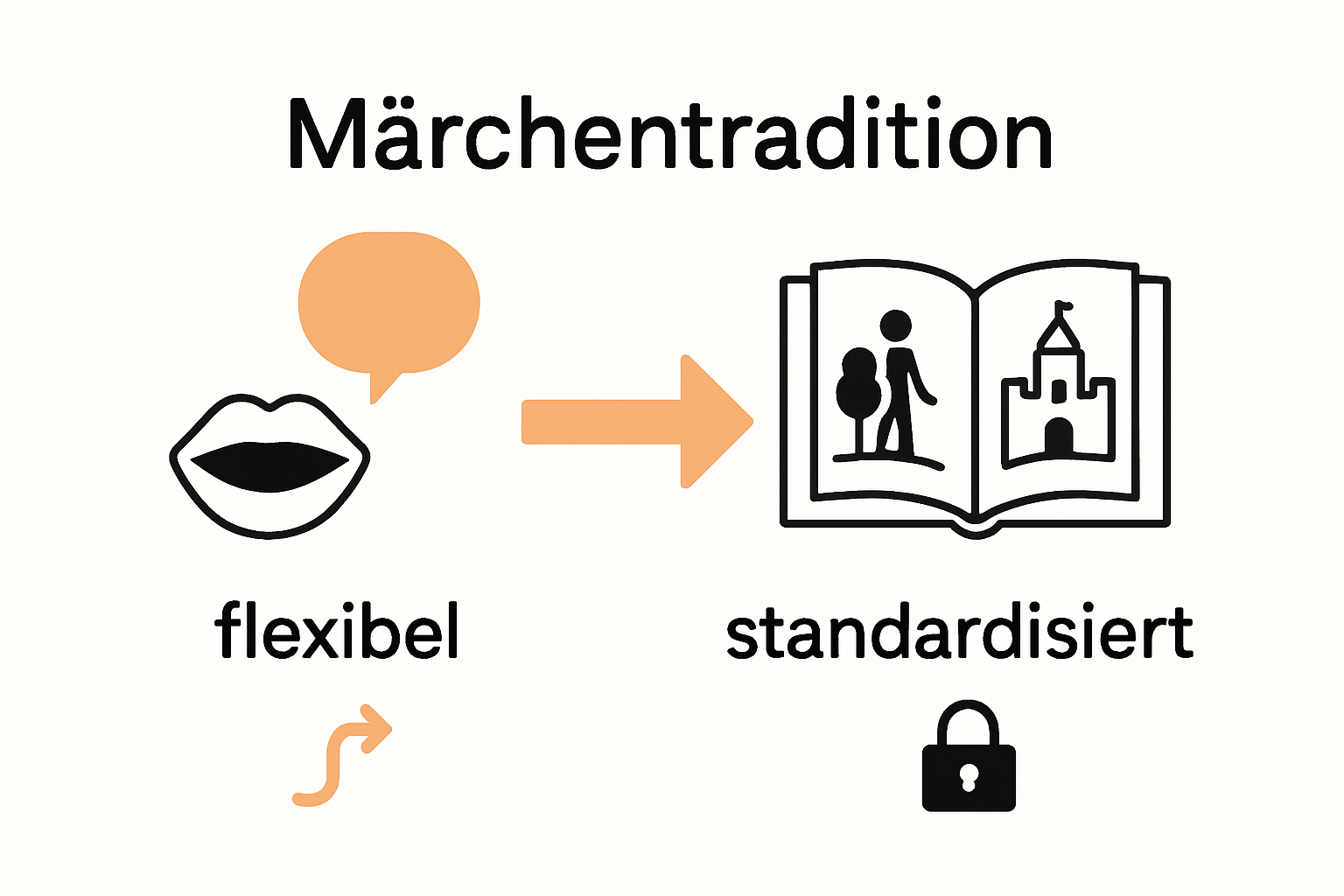
This transition had profound cultural impacts. The shift to writing enabled worldwide distribution of fairy tales, made them accessible to a broader audience, and created a literary legacy that would inspire generations to come. Written fixation transformed folk fairy tales from fleeting oral narratives into permanent cultural documents that continue to shape our collective imagination today.
Typical Features and Narrative Structure of Fairy Tales
Fairy tales follow a characteristic narrative structure that distinguishes them from other literary genres. They typically begin with a timeless opening such as "Once upon a time" and immediately create a world between reality and fantasy. This opening signals to listeners that they are entering a special level of narration in which normal everyday rules are suspended.
The narrative structure of fairy tales is based on clear patterns. Usually there is a protagonist who must overcome a great challenge. Supernatural helpers, magical objects, or unexpected turns support the hero on their journey. How Fairy Tales Stimulate Imagination: Complete Parent's Guide shows that these very magical elements particularly strongly stimulate children's imagination.
Characteristic of fairy tales are unambiguous moral constellations: good characters are ultimately rewarded, while evil figures are punished. Fairy tales reduce complex life situations to clear ethical messages. Typical figures such as kings, princesses, witches, sorcerers, and talking animals populate these stories and symbolically represent human characteristics and behaviors.
The narrative structure usually follows a three-part structure: initial situation, conflict, and resolution. At the beginning stands a challenge or a lack, then the protagonist goes through trials and adventures, and in the end comes the solution with a reconciliatory, usually happy ending. This narrative structure conveys hope and confidence to children and adults alike.
Bring Fairy Tales to Life with Edory AI
Fairy tales come to life through imagination and oral tradition just as challenges in our everyday lives often need to be solved in unique ways. This article shows how meaningful stories are that convey values and make emotions understandable. Many parents wish for child-friendly and personalized narratives that not only entertain but also promote creative and moral development. This is where Edory AI comes in: our innovative platform helps you discover completely new fairy tales or create your very own stories. With Edory AI, children experience fresh and age-appropriate adventures every day that are based on proven narrative structures while also providing new inspiration.
Get inspired on our page Uncategorized – Edory AI – Educational Children's Stories and learn how easy it is to bring fairy tales to life. Visit https://edory.ai now and start your journey into the world of personalized stories. Become the creator of magical moments for your family and playfully promote your children's imagination and value transmission.
Frequently Asked Questions
What are the main features of fairy tales?
Fairy tales are characterized by a clear narrative structure, supernatural beings, and unambiguous moral messages. They often begin with "Once upon a time" and typically include a protagonist who overcomes a challenge.
How do folk fairy tales develop?
Folk fairy tales develop through oral transmission in social contexts. Stories are passed on by storytellers and continuously adapted to convey cultural values and social norms.
What is the difference between folk fairy tales and literary fairy tales?
The main difference lies in their origin: folk fairy tales come from oral tradition, while literary fairy tales were consciously written by individual authors. Literary fairy tales are often psychologically more complex and less bound to traditional narrative patterns.
How did the written fixation of fairy tales change the narratives?
Written fixation led to the standardization of fairy tales and preserved them from being forgotten, but partially took away their dynamism and regional diversity. Fairy tales transformed from fleeting oral narratives into permanent cultural documents.
Recommendation
- How Fairy Tales Stimulate Imagination: Complete Parent's Guide – Edory AI – Educational Children's Stories
- How Fairy Tales Stimulate Imagination: The Complete Guide – Edory AI – Educational Children's Stories
- Why Are Fairy Tales Important for Children and Families? – Edory AI – Educational Children's Stories
- Fairy Tales Told Modern: Imaginative Stories for Children and Families – Edory AI – Educational Children's Stories