 edory
edory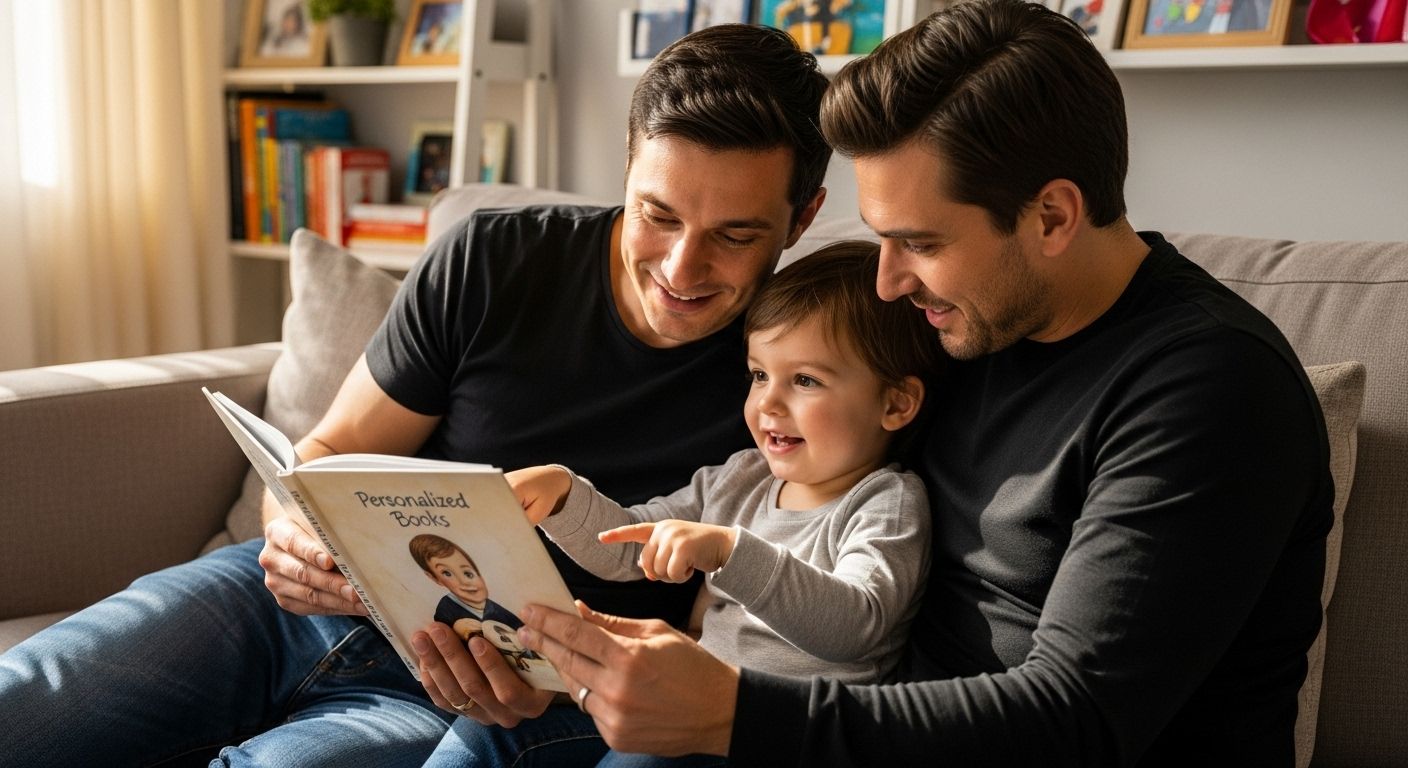
Personalized books bring fresh wind to the world of children's literature and place children themselves at the center of the story. That already sounds special. But what really surprises: A study shows that such books can significantly increase children's reading motivation. Instead of just reading, children become the real heroes of their own adventures through personalized books.
Table of Contents
- What are personalized books and how do they differ?
- Why are personalized books important for children's development?
- How do personalized books work and what technologies are behind them?
- What benefits do personalized books offer for families and children?
- How can personalized books promote reading and creativity?
Quick Summary
| Takeaway | Explanation |
|---|---|
| Personalized books promote reading motivation. | Children identify themselves as protagonists, which increases their interest in reading. |
| Individual customization supports cognitive development. | Personalized elements help children learn new words playfully. |
| Emotional intelligence is strengthened through stories. | Children learn to recognize feelings and develop social skills. |
| Technology enables tailor-made stories. | Algorithms generate personalized narratives from individual data. |
| Family bonding is strengthened through shared reading. | Reading personalized books promotes exchange and emotional closeness between parents and children. |
What are personalized books and how do they differ?
Personalized books are a special kind of literature that offers a unique and individual reading experience. They differ fundamentally from traditional books by placing the reader directly at the center of the narrative.
The Special Features of Personalized Books
The heart of personalized books is their adaptability. Unlike standard children's books, these books are specifically designed for an individual reader. They integrate personal information such as the child's name, appearance, or even specific preferences directly into the plot.
To clearly present the most important differences between personalized and traditional children's books, you'll find a comparison table here.
| Criterion | Personalized Books | Traditional Children's Books |
|---|---|---|
| Main Character | The child themselves is the protagonist | Pre-made characters |
| Level of Customization | Individual (name, appearance, interests) | Uniform, no personal customization |
| Technology Use | AI, algorithms, digital generation | Classic book printing |
| Reading Motivation | Very high through identification | Varies, often lower |
| Educational Value | Strong, as it is tailored to the child | General, not specifically adapted |
With personalized books, children experience a completely new dimension of reading:
- The protagonist is the child themselves
- The story is adapted to individual characteristics
- Interactive elements increase reading enjoyment
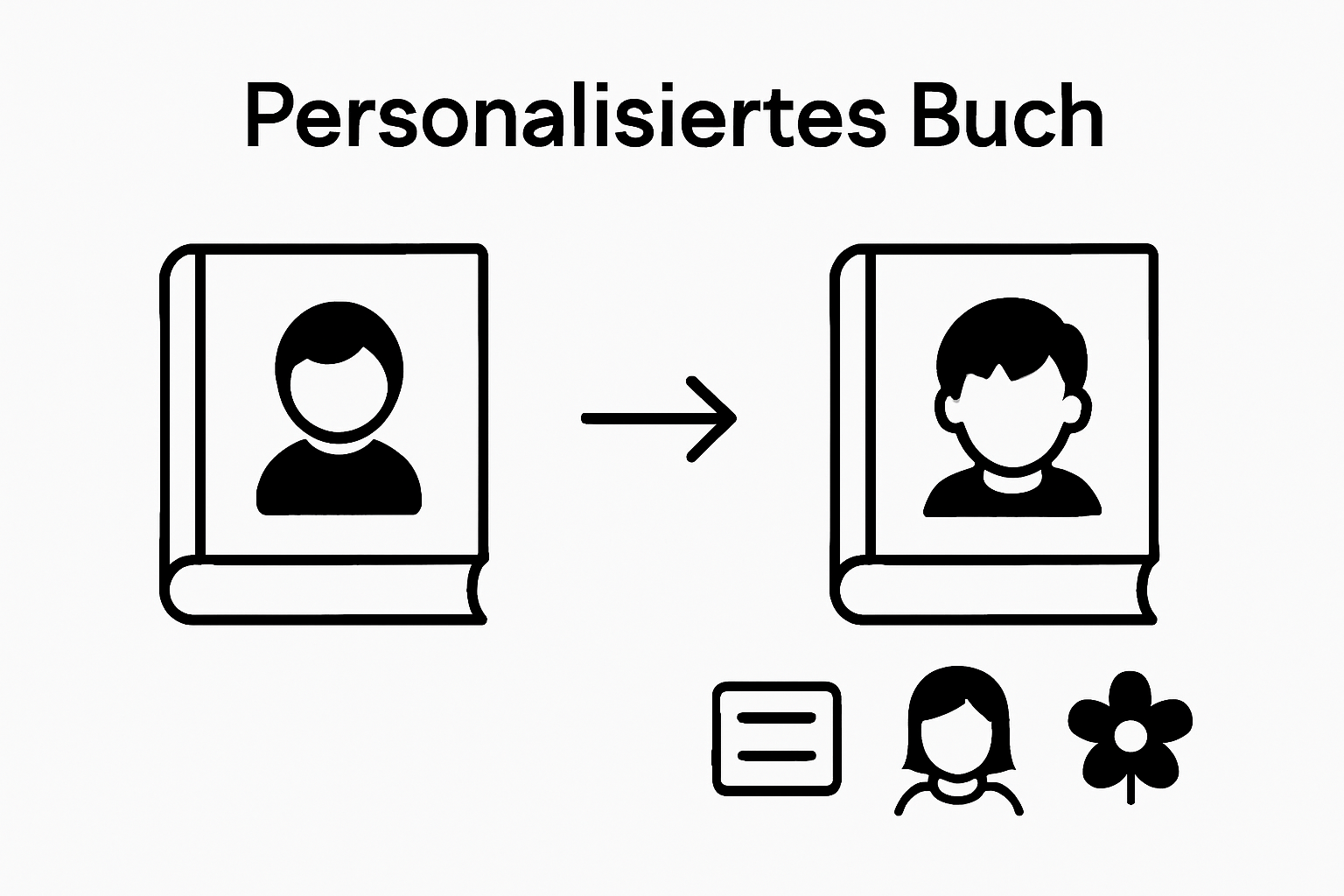
Technology and Personalization
Modern personalized books use advanced technologies to create tailor-made stories. According to a study by the Personalized Book Research Institute, these books can significantly increase children's reading pleasure and motivation.
The creation process is relatively simple: parents or users enter specific details, and algorithm-based systems generate a unique story. This technology makes it possible to produce books that are not only personalized but also educationally valuable.
Benefits for Children
Personalized books offer more than just entertainment. They actively promote reading development, increase self-esteem, and make reading a personal, exciting experience. Children who recognize themselves in stories develop a stronger emotional bond to reading and often show greater interest in books.
Why are personalized books important for children's development?
Personalized books are more than just an entertaining reading experience. They play a crucial role in children's cognitive and emotional development and offer far more than traditional children's books.
Promoting Reading Motivation
When children find themselves as the main character in a story, this greatly increases their enthusiasm and motivation to read. The direct identification with the protagonist awakens a deep interest in the narrative and makes learning to read an exciting adventure.
The key aspects of reading motivation through personalized books:
- Children develop a stronger emotional connection to the story
- Self-esteem is strengthened through the leading role in the narrative
- Reading is perceived as a personal, exciting experience
Cognitive and Language Development
According to a study in developmental psychology at Leipzig University, personalized books can significantly support children's cognitive development. By incorporating individual details, children learn new words and language structures playfully.
These books challenge children to understand more complex plot connections and reflect on their own role in the story. This promotes not only language development but also logical thinking and imagination.
Emotional Intelligence and Self-Awareness
Personalized books make an important contribution to the development of emotional intelligence. Children learn to put themselves in different situations, recognize and understand feelings. Identifying with the protagonist helps them process their own experiences and develop social skills.
By reflecting their personality in the story, children are encouraged to think about themselves, recognize their strengths, and face challenges with confidence.
How do personalized books work and what technologies are behind them?
Personalized books are the result of a complex interaction between technology, creativity, and individual user data. They use modern digital technologies to generate unique and tailor-made reading experiences.
Data Collection and Personalization
The process begins with the targeted collection of personal information. Parents or users enter specific details such as the child's name, age, gender, interests, or even physical features. This data forms the basis for personalization.
The core elements of data collection include:
- Individual name mention
- Character traits of the child
- Specific preferences and interests
- Optional: appearance or origin
Technological Generation
According to a study on digital storytelling, modern systems use artificial intelligence and algorithms to generate stories in real-time. Advanced algorithms combine the entered data with pre-made action templates and create a unique, personalized narrative.
The technological components include:
- Machine learning algorithms
- Natural language processing
- Dynamic text generation
- Adaptive image adjustment
Production and Printing Process
After digital generation, the personalized book goes through a production process. Modern online platforms allow users to review the generated story, make small adjustments, and order the book directly online.
The final production process includes:
The following overview briefly summarizes the technological and procedural processes in the production of personalized books.
| Process Step | Description |
|---|---|
| Data Collection | Personal details such as name, age, interests are entered |
| Algorithmic Generation | AI combines individual data with story templates |
| Content Review | User reviews and makes adjustments |
| Production & Layout | Professional conversion to book format, visual design |
| Printing & Shipping | High-quality book printing and delivery to customers |
- Quality control of generated content
- Professional layout and design
- High-quality print production
- Shipping to the customer
What benefits do personalized books offer for families and children?
Personalized books are more than just a trend in children's literature. They offer a variety of benefits that go far beyond the classic reading experience and provide real added value to both children and families.
Strengthening Family Relationships
Personalized books create a special connection between parents and children. Shared reading becomes an interactive experience in which children can completely identify with the story. This creates opportunities for conversation, encourages exchange, and deepens the emotional bond within the family.
The key aspects of family interaction:
- Shared reading time becomes a special moment
- Children feel valued and taken seriously
- Interactive conversations about the story are encouraged
Individual Learning Support
According to a study by the National Literacy Trust, personalized books can significantly increase children's learning motivation and educational success. They adapt individually to learning levels, interests, and developmental stages.
The learning benefits include:
- Adaptation to individual developmental levels
- Promotion of reading skills
- Playful knowledge