 edory
edory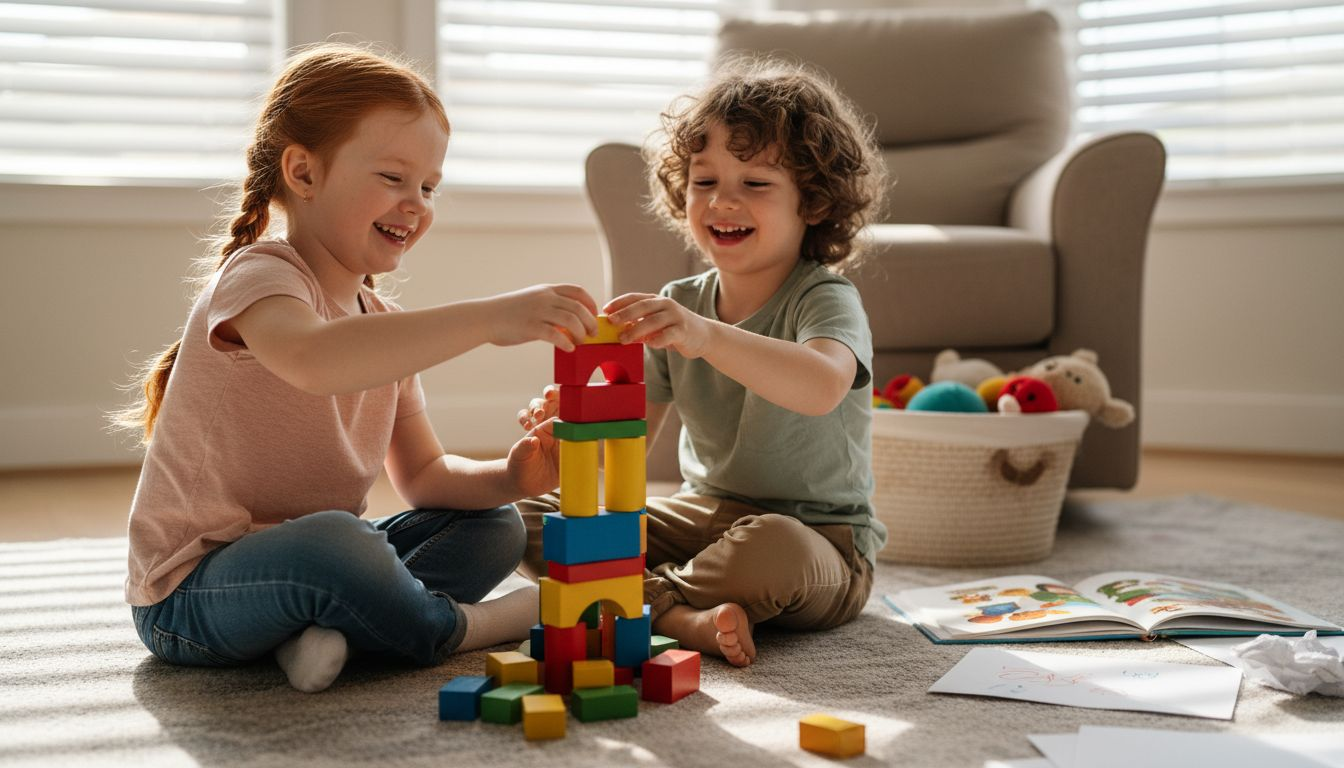
Every second child in Germany learns best when they're allowed to play while doing so. The need to explore curiously and grow at their own pace is particularly pronounced in young years. When parents strategically use playful learning, creativity and language development are effortlessly stimulated – and children experience education as a real adventure. Here you'll learn how playful approaches can transform learning into a world full of imagination and joy.
Table of Contents
- What does playful learning mean?
- Variants of playful learning forms
- How playful learning works
- The role of parents in daily play
- Avoiding typical mistakes while playing
Key Insights
| Point | Details |
|---|---|
| Playful learning promotes development | It combines learning goals with play fun and enables children to acquire new skills unconsciously. |
| Variety of learning forms | From board games to digital learning games, there are many approaches that promote cognitive and social competencies. |
| Role of parents | Parents design the learning environment and support development by actively participating in games. |
| Avoiding common mistakes | Too strong a focus on results can diminish the joy of play; flexibility and age-appropriate game selection are crucial. |
What does playful learning mean?
Playful learning is a pedagogical method that promotes children's knowledge and development through joyful and playful activities. With this approach, learning goals are cleverly linked with play fun, allowing children to acquire new skills and knowledge almost unconsciously. According to the Goethe Institute, playful learning describes a process that conveys educational goals in an entertaining and motivating manner.
The core principle of playful learning is based on the idea that children learn most effectively when they're having fun and are intrinsically motivated. Through play-based activities, complex concepts are converted into accessible and engaging experiences. According to expert opinions, this method enables children to acquire new skills without perceiving the learning process as work.
The benefits of playful learning are diverse: It not only promotes cognitive development but also strengthens social competencies, creativity, and emotional intelligence. Children learn playfully about problem-solving strategies and communication skills, and develop a positive relationship with learning. Through playful approaches, learning content becomes more tangible, interactive, and sustainable.
Expert Tip: Design learning games with clear but flexible rules that leave room for creativity and self-initiative. The more fun and enthusiasm a game generates, the more effective the learning process.
Variants of playful learning forms
There are numerous variants of playful learning forms that convey knowledge and skills to children in different ways. Traditional board games like Memory, Quartets, and Bingo form an important foundation for developing cognitive competencies playfully. These games promote memory performance, concentration ability, and strategic thinking in an entertaining manner.
With technological progress, digital learning forms have also become established. Digital Game-based Learning (DGBL) strategically combines interactive computer games with educational content to bring children closer to complex topics through play. This method uses the motivating properties of games to optimize learning processes and actively engage children.
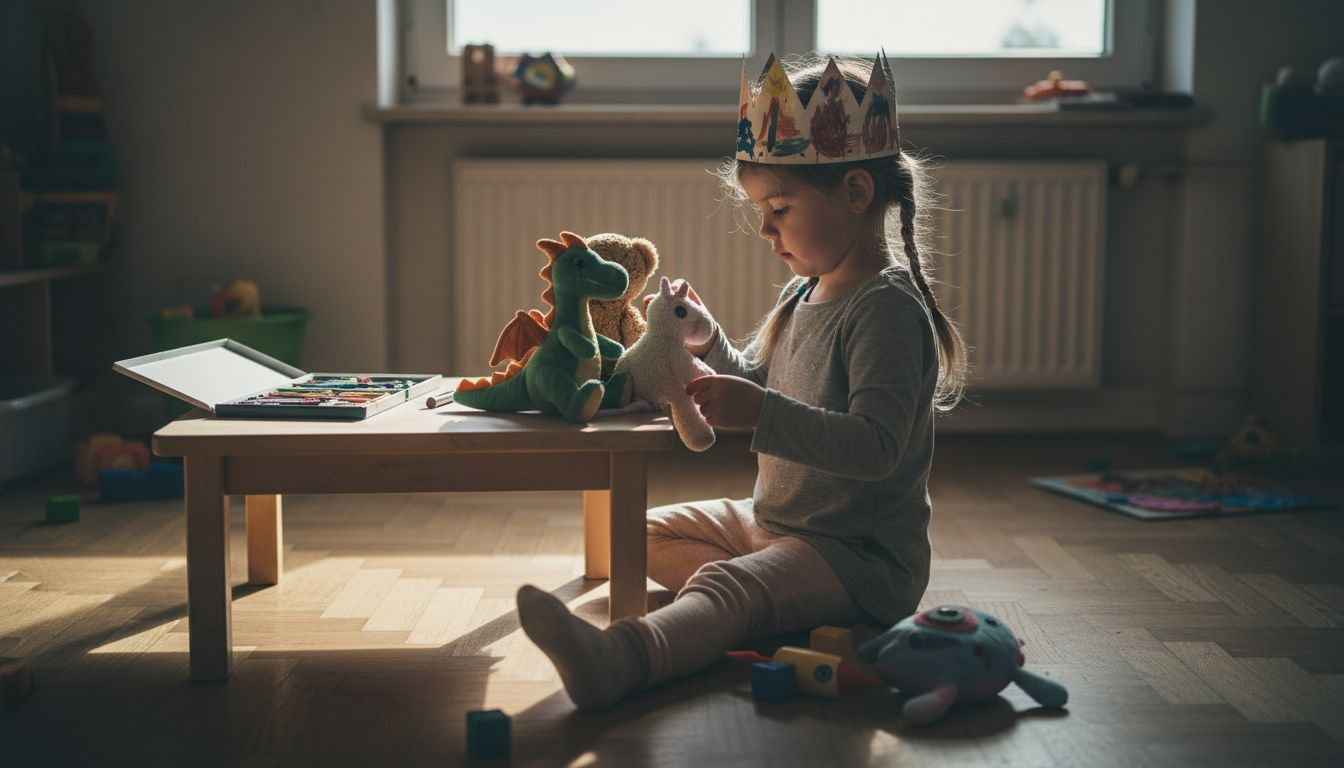
In addition to board games and digital games, there are other creative learning forms such as role-playing, movement games, and creative craft projects. These approaches enable children to acquire knowledge holistically and activate different senses. Theater games, for example, can promote language competency, while construction games train spatial thinking and motor skills.
Expert Tip: Vary learning games regularly to continuously motivate children and intentionally promote different areas of development.
Here you'll find a comparison of different playful learning forms and their key characteristics:
| Learning Form | Objective | Typical Examples | Special Strengths |
|---|---|---|---|
| Board games | Cognitive development | Memory, Quartets, Bingo | Promotes memory and strategy |
| Digital learning games | Motivation through interaction | Learning apps, DGBL applications | Diverse topics, flexible use |
| Role-playing games | Social competencies | Theater, fantasy games | Strengthens empathy and communication |
| Movement games | Motor skills and teamwork | Tag games, sports games | Combines learning with movement |
| Creative projects | Creativity and problem-solving | Crafts, building, painting | Supports imagination and independence |
How playful learning works
Playful learning influences child development on a neurobiological level by creating an optimal learning environment. By creating a relaxed and safe environment, it activates brain processes that promote knowledge acquisition and memory formation. The brain adapts flexibly during playful activities, allowing learning to be perceived not as an effort but as a natural and joyful process.
The motivational component of playful learning plays a decisive role. Gamification elements such as point systems and rewards increase learning motivation and create positive experiences of success. Children develop joy in learning, perseverance, and self-confidence. Intrinsic motivation is strengthened, so children want to continue exploring and learning on their own initiative.
On a cognitive level, playful learning supports the development of important skills such as logical thinking, problem-solving, creativity, and social intelligence. Through interactive play forms, children learn to understand complex concepts playfully, develop strategies, and overcome challenges together. This promotes not only intellectual but also emotional and social competencies.
Expert Tip: Choose learning games that are individually tailored to your child's developmental stage and interests to achieve maximum learning effects.
The role of parents in daily play
The role of parents in the playful learning process is crucial for child development. They not only create a stimulating learning environment but also serve as the most important reference persons and learning companions. Through conscious selection and active participation in learning games, parents can intentionally support and promote their children's cognitive, social, and emotional competencies.
Playing together offers more than just entertainment. The integration of learning games into family life demonstrably strengthens the parent-child bond and creates valuable learning opportunities. Parents can explain complex concepts in a child-friendly way, spark interest, and motivate their children through targeted impulses and questions to think independently and solve problems. This interactive form of learning supports the development of communication skills and emotional intelligence.
Important is balanced play guidance: Parents should give children sufficient room for independent exploration and experimentation while providing support when needed. This means presenting challenges without being patronizing and enabling success without directly providing solutions. The art is to find a balance between guidance and independence.
Expert Tip: Carefully observe your child's play interests and choose games that connect to their current developmental phase and individual preferences.
Avoiding typical mistakes while playing
Overvaluing learning outcomes can significantly impair children's play enjoyment and motivation. When parents and educators view play exclusively as a means of learning, it loses its original magic. The main goal should be to create joy and enthusiasm while learning happens incidentally and naturally. Too strong a focus on results can put children under pressure and dampen their natural desire to play.
Uncritical selection of games, particularly digital media, poses pedagogical risks. Not every game is equally suitable for children. It's crucial to carefully examine games, evaluate their pedagogical content, and ensure they convey age-appropriate and developmental learning content. Parents should actively question the game content and its development-promoting aspects.
Another common mistake is a lack of flexibility while playing. Rigid rules and a too narrow framework take away children's opportunity to think creatively and develop their own solutions. Good learning games should allow room for improvisation, imagination, and individual interpretations. The art is to find a balance between structure and openness that challenges and motivates children simultaneously.
Expert Tip: Be present and attentive during play, but don't take control. Let your child have their own experiences and support them gently when facing challenges.
The following overview shows common mistakes in playful learning and how to avoid them:
| Common Mistake | Cause | Recommendation to Avoid |
|---|---|---|
| Too strong focus on learning outcomes | Creating performance pressure | Prioritize play enjoyment and motivation |
| Unsuitable game selection | Lack of pedagogical review | Check content and age-appropriateness beforehand |
| Rigid or overly strict rules | Limited creativity | Allow more flexibility and independent solutions |
| Too much control by adults | Independence is hindered | Let child have their own experiences |
Discover playful learning anew with personalized stories
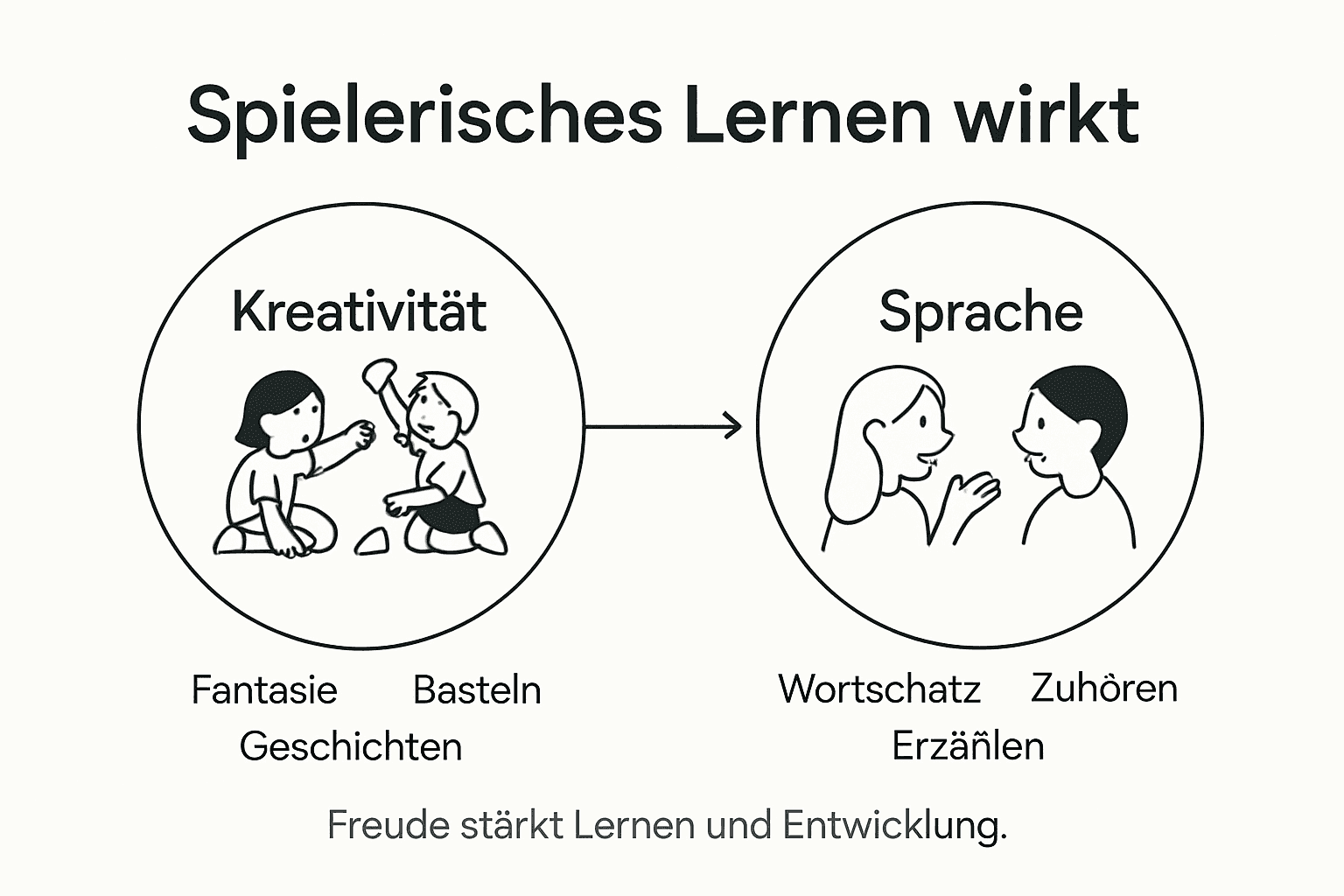
Playful learning promotes your child's creativity and language in a unique way and creates a loving learning atmosphere. Many parents seek ways to make the learning process exciting and individual so that children not only absorb knowledge but also discover independently with enthusiasm. This is exactly where Edory comes in: Our platform offers daily new, personalized children's stories that combine education and fun with magical storytelling.
Take the opportunity to support playful learning with targeted learning content and sustainably promote your child's language development. Discover on Uncategorized – Edory AI – Educational Children's Stories how simple stories become complex topics. Start today with Edory and experience how individual narratives awaken imagination while conveying educational values. Visit Edory.ai and give your child the perfect combination of learning and play.
Frequently Asked Questions
What is playful learning and why is it important?
Playful learning is a pedagogical method that helps children acquire knowledge through joy and play. It promotes creativity, language skills, and social competencies by embedding learning content in entertaining activities.
How does playful learning promote children's creativity?
Through various creative approaches such as role-playing or craft projects, playful learning stimulates imagination and enables children to develop new ideas and train problem-solving abilities.
What types of games are best suited for playful learning?
Board games, digital learning games, movement games, and creative projects are great ways for playful learning as they address and combine different skills.
Why is the role of parents in playful learning so crucial?
Parents act as learning companions and can create the stimulating environment necessary to promote their children's cognitive, social, and emotional abilities through targeted game selection and active participation.
Recommendation
- 7 Learning Games for Toddlers to Promote Development – Edory AI – Educational Children's Stories
- 7 Learning Games for Preschoolers That Are Fun – Edory AI – Educational Children's Stories
- Playful Learning: Creative Activities for Children 2025 – Edory AI – Educational Children's Stories
- 7 Ways to Promote Language with Picture Stories for Children – Edory AI – Educational Children's Stories