 edory
edory7 Tips for Bedtime Stories for the Youngest with a Learning Effect
· 15 minutes read
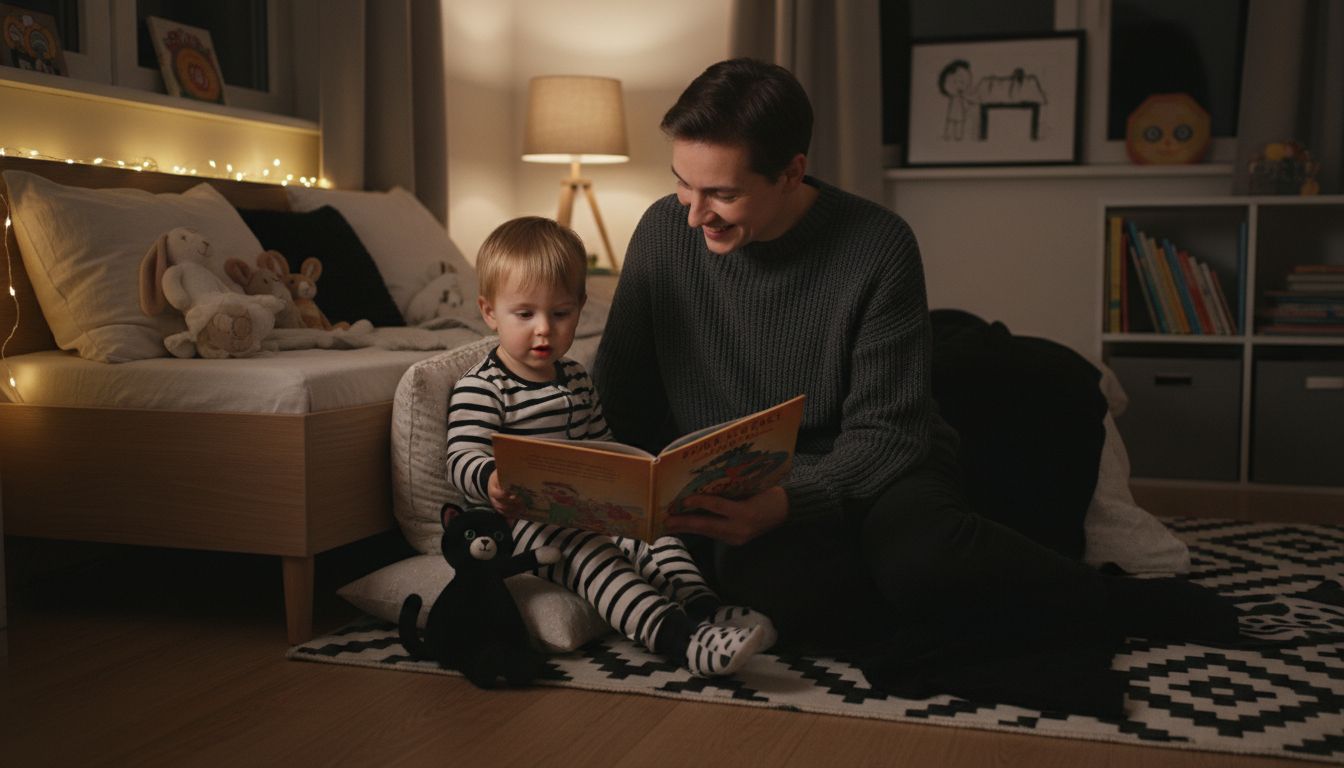
Almost every other family reports that reading together is one of the most beautiful moments of the day. In hectic times, many parents look for ways to give their children a sense of security and closeness. Reading rituals offer far more than just entertainment: they lay the foundation for emotional security, promote language development, and strengthen the bond. Those who consciously harness the magic of stories give their child not only joy, but also actively accompany them in their development.
Table of Contents
- Why Rituals Are Important When Reading Aloud
- Choosing Age-Appropriate Topics for Young Children
- Practical Guidance by Age Group
- Incorporating Language Development Through Play
- Creative Methods for Language Development
- Experiencing Feelings and Empathy Through Stories
- Practical Strategies for Emotional Development
- Simple Narrative Structure Creates Security
- Elements of a Child-Appropriate Narrative Structure
- Child Participation Increases Interest
- Strategies for Including Children
- Promoting Relaxation and Harmony Before Sleep
- Strategies for Harmonious Goodnight Moments
Summary Takeaway Explanation
1. Rituals provide security and a sense of belonging
Regular reading rituals help children stabilize emotionally and strengthen the bond between parents and child.
2. Age-appropriate stories promote understanding
Stories should match the child's world of experience in order to support interest and language development.
3. Active involvement increases interest
Children should be actively involved in the plot to promote their attention and motivation.
4. Developing emotional intelligence through stories
Stories help children understand emotions and develop empathy, which strengthens their social skills.
5. Relaxing rituals for harmonious sleep
A mindful reading ritual can help children relax and create a safe sleep environment.
1. Why Rituals Are Important When Reading Aloud
Reading rituals are more than just an evening routine — they create a magical connection between parents and children. These precious moments before bedtime are not only cozy and comfortable, but also have a deeper educational significance. According to insights from Psychology Today, reading rituals offer a protected space that conveys calm and security. They structure the daily routine and provide toddlers with emotional stability. Regularity is the key: children love predictability and feel safe when they know what is coming.
The benefits go far beyond cozy moments. According to Spektrum, these rituals promote language development and expand children's vocabulary. At the same time, they train concentration skills and create a deep emotional connection.
Practical tips for a successful reading ritual:
- Always choose a quiet place at the same time
- Turn off distractions such as mobile phones or televisions
- Snuggle up together and let calm settle in
- Sometimes let your child decide which story will be read
The secret lies in consistency and attention. An evening reading ritual is more than a story — it is a gift of security and love.
2. Choosing Age-Appropriate Topics for Young Children
Choosing the right story is an art in itself — one that makes reading a magical experience. Not every story is suitable for every age, and that is completely normal. According to the Stiftung Lesen (Reading Foundation), the selection of age-appropriate topics is crucial for children's language development and vocabulary building. Stories must connect with children's world of experience in order to spark interest and understanding.
For toddlers, this specifically means a world full of discoveries and simple stories. Topics such as family, friendship, animals, and first feelings are ideal. Avoid overly complex plots or abstract concepts that could overwhelm children.
Practical guidance by age group:
- 1 to 2 years: Short stories with lots of pictures and simple actions
- 2 to 3 years: Repetitive elements and rhymes
- 3 to 4 years: First adventure stories with familiar situations
Current research shows that age-appropriate topics not only support cognitive development but also enormously boost reading motivation. The goal is to choose stories in which children can see themselves and which stimulate their imagination.
3. Incorporating Language Development Through Play
Learning to speak can be as entertaining as an exciting adventure. Children love it when language comes alive and is fun. According to findings from the Stiftung Lesen, playful elements such as rhymes and songs enormously support language development. Children not only expand their vocabulary but also develop a sensitive feel for language.
Interactive reading activities are the key to success. Current studies show that asking questions and acting out scenes from stories significantly promotes language skills and text comprehension.
Creative methods for language development:
- Use rhymes and rhythmic texts
- Act out stories with assigned roles
- Encourage children to make sounds and movements to accompany the story
- Ask open-ended questions