 edory
edoryWhy Are Moral Stories Important for Children in 2026
· 6 minutes read
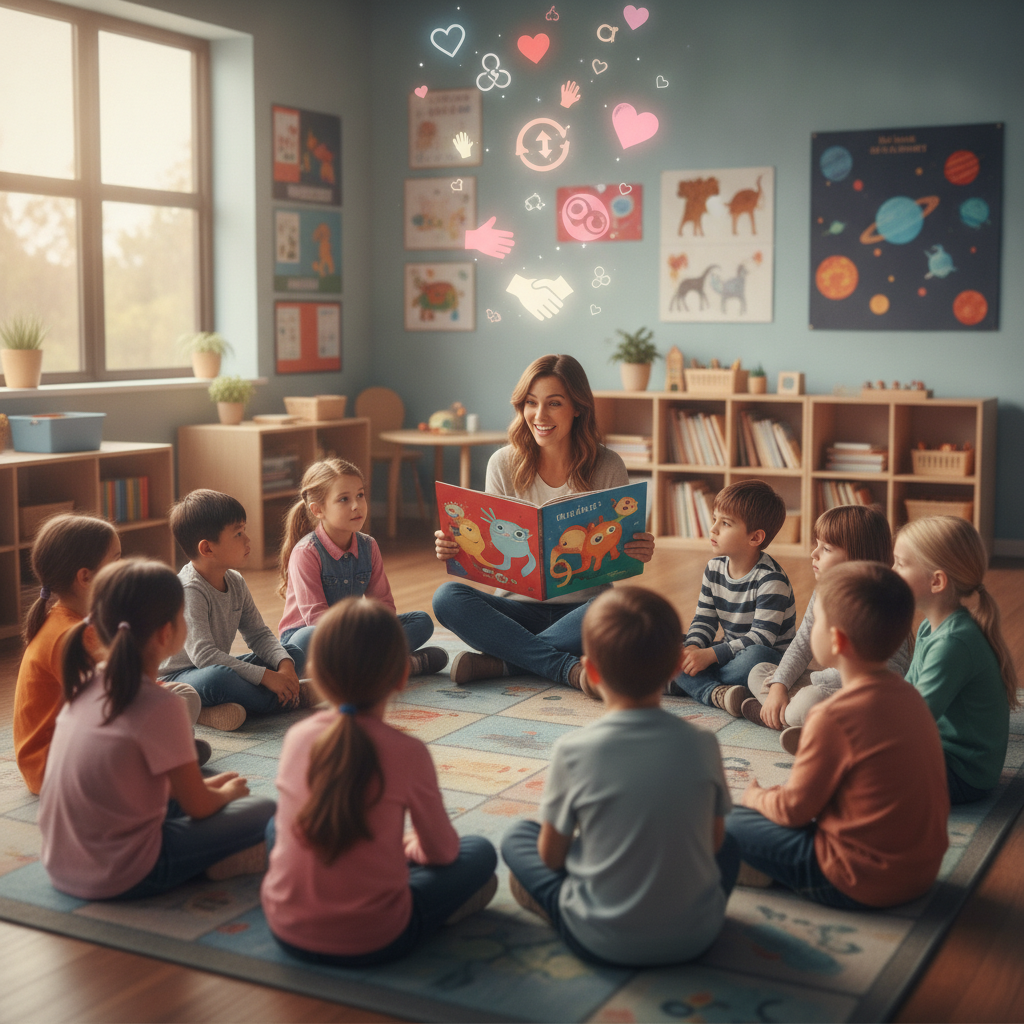
Why are moral stories important for children? This question has occupied parents, educators, and child psychologists for generations. In our digital world of 2026, the transmission of ethical values through narrative media is taking on an entirely new significance. Moral children's stories are not only entertaining, but also form the foundation for the character development of our children.
The Foundations of Moral Stories in the Digital Age
Moral stories are narratives that deliberately convey ethical principles and values. They differ from pure entertainment stories through their clear educational intent. By 2026, these stories have evolved from traditional fairy tales to modern, interactive media formats. Classic examples such as Aesop's Fables or the Brothers Grimm fairy tales remain relevant, but are now supplemented by contemporary narratives that address current challenges such as cyberbullying, environmental protection, and digital ethics.
Characteristics of Effective Moral Children's Stories
- A clear message without being preachy
- Age-appropriate protagonists and situations
- Understandable consequences for actions
- Positive role models and solutions
- An emotional connection between the child and the story
Why Are Moral Stories Important for Children? Scientific Findings
Current studies from 2026 impressively confirm the effectiveness of moral stories on child development. Neuroscientific research shows that narratives are particularly effective at anchoring complex ethical concepts in the developing brain.
Cognitive Development Through Ethical Storytelling
Moral stories promote abstract thinking and the ability to adopt different perspectives. Children learn to put themselves in the shoes of various characters and understand their motivations. This not only strengthens empathy, but also cognitive problem-solving skills. Particularly noteworthy is the development of the so-called "moral compass." Studies from 2026 show that children who are regularly exposed to moral stories develop significantly better decision-making abilities when faced with ethical dilemmas.
Emotional Intelligence and Social Competence
Through identifying with characters in moral stories, children develop a deeper understanding of emotions — both their own and those of others. This emotional intelligence is crucial for successful interpersonal relationships and social integration.
Practical Benefits in Everyday Life
Conflict Resolution and Communication
Children who grow up with moral stories show improved conflict resolution skills. They have a repertoire of behavioral patterns and solutions that they can draw from the stories. This leads to less aggressive behavior and more cooperative approaches during disagreements.
Self-Reflection and Sense of Responsibility
Moral stories encourage children to engage in self-reflection. They begin to question their own actions and take responsibility for the consequences. This ability is fundamental to developing into responsible adults.
Modern Challenges and Solutions in 2026
Digital Ethics and Media Literacy
In our interconnected world of 2026, moral stories must also address digital topics. Stories about the responsible use of social media, data privacy, and online communication have become essential. Children learn more effectively through narrative approaches how to behave ethically in the digital space.
Diversity and Inclusion
Modern moral stories reflect the diversity of our society. They address tolerance, acceptance of differences, and the value of inclusion. This prepares children for a globalized, diverse world and promotes respect and understanding for other cultures and lifestyles.
Practical Implementation for Parents and Educators
Selecting Appropriate Stories
When selecting moral stories, the child's age, stage of development, and current challenges should be taken into account. Stories should be relevant and relatable without being overwhelming. Key considerations include:
- Age-appropriate complexity of moral dilemmas
- Cultural sensitivity and diversity
- Relevance of the challenges addressed
- Positive role models and solutions
- Interactive elements for deeper engagement
Follow-Up and Discussion
The impact of moral stories is greatly enhanced by subsequent conversations. Children should be encouraged to share their thoughts and feelings about the stories. Open-ended questions such as "What would you have done in that situation?" or "How do you think the character felt?" promote reflection.
Long-Term Effects on Personality Development
Character Building and Value System
Moral stories make a significant contribution to character development. They help children build a stable value system that accompanies them throughout their lives. These ethical principles, learned early on, form the foundation for future decisions and behaviors.
Resilience and Mental Health
Research from 2026 shows a clear connection between the consumption of moral stories during childhood and psychological stability in adulthood. Through these stories, children develop coping strategies and an optimistic outlook on challenges.
Integration into Everyday Education
School-Based Teaching
Educational institutions in 2026 are increasingly integrating moral stories into their curricula. Narrative approaches to value education are being used not only in German language and ethics classes, but also across multiple subjects.
Technological Support
Modern technologies such as augmented reality and interactive apps greatly expand the possibilities of moral stories. Children can be immersed in virtual environments where they experience and internalize ethical lessons in an engaging and interactive way.