 edory
edoryEducational Children's Stories About Friendship and Sharing 2026
· 6 minutes read
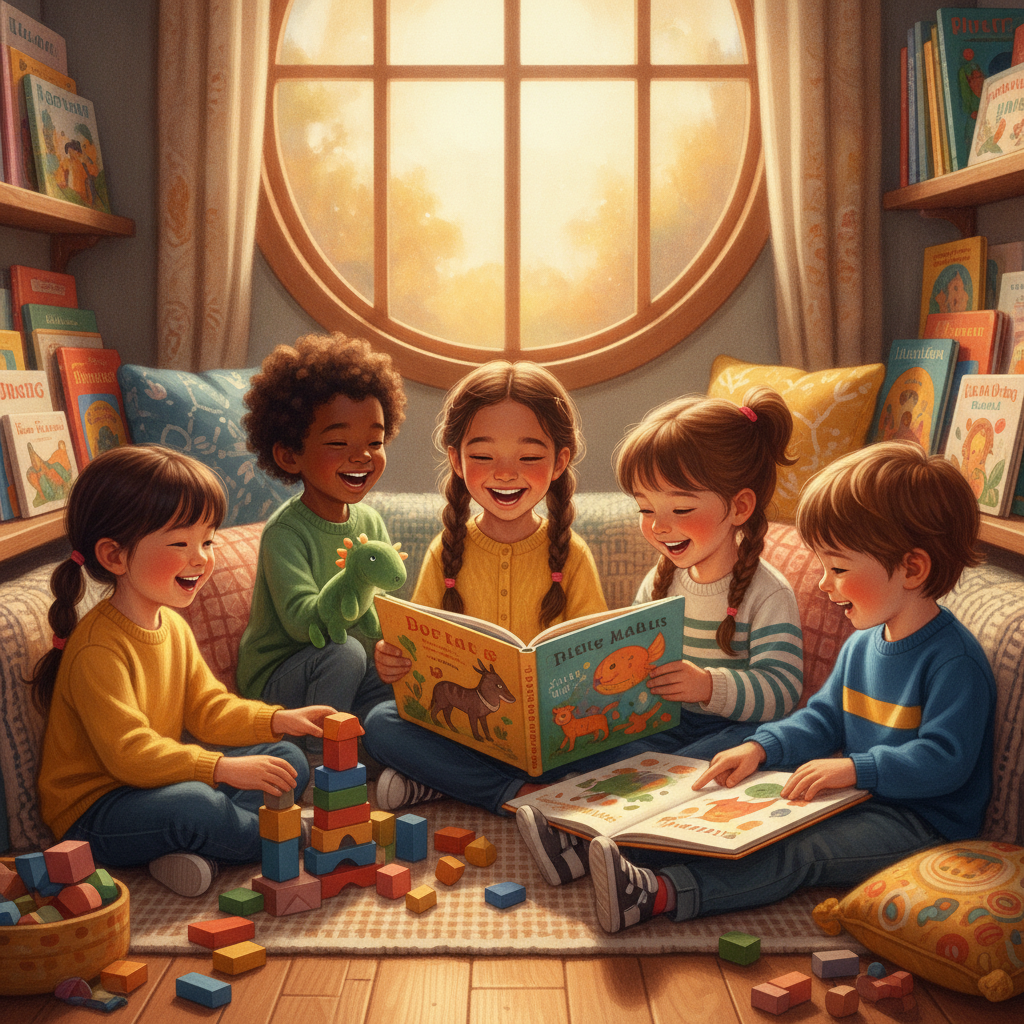
Educational children's stories about friendship and sharing are more important than ever in 2026 for teaching children essential social values. In an increasingly digital world, these stories help develop emotional intelligence and foster an understanding of interpersonal relationships. Parents and educators use such narratives to explain complex topics in a child-friendly way and to impart lasting life lessons.
Why Are Stories About Friendship and Sharing So Valuable?
Stories have a unique power to translate complex emotional concepts into understandable situations. When children read or hear about characters overcoming similar challenges, they can more easily empathize with them and learn from their experiences.
Developing Emotional Intelligence
Through educational children's stories about friendship and sharing, children develop empathy and better understand the feelings of others. They learn that actions have consequences and that kindness is rewarded. This emotional maturity is especially important in 2026, as children are growing up in an increasingly complex social environment.
Promoting Social Skills
Stories provide children with practical examples of how to resolve conflicts, reach compromises, and respect others. Through the characters, they learn how important it is to help others and act selflessly.
The Best Themes for Friendship and Sharing Stories
Effective children's stories address everyday situations that children themselves might encounter. Here are the most important thematic areas that are particularly relevant in 2026:
Sharing Toys for the First Time
Stories about sharing a favorite toy show children that shared joy is doubled joy. A character who initially hesitates to share a new toy but then discovers that playing together is much more fun conveys this lesson in a natural way.
Making New Friends
Many children struggle with forming new friendships. Stories about shy characters who find the courage to make new friends give children strategies and self-confidence.
Resolving Conflicts and Reconciliation
When friends argue, it can be very distressing for children. Stories that show how to apologize, admit mistakes, and repair friendships are invaluable.
Inclusion and Diversity
In 2026, it is more important than ever to tell stories that celebrate diversity and show how friendships can form despite differences. These stories teach tolerance and acceptance.
Popular Story Types and Their Impact
Animal Stories with Human Traits
Animals as main characters often make it easier for children to identify with a story without feeling directly addressed. A little bear learning to share or a bunny finding new friends can convey complex emotions in an accessible way.
Everyday Stories from the World of Children
Stories set in kindergartens, playgrounds, or neighborhoods are especially relevant for children. They recognize themselves and their surroundings and can directly apply the lessons they have learned.
Fairytale Stories with Modern Values
Fantastic elements also have their place in educational stories. Magical creatures that must share or princesses who form friendships combine entertainment with important life lessons.
How Parents Can Make the Most of These Stories
Interactive Read-Alouds
When reading aloud, parents should pause and ask questions such as: "What do you think the character should do now?" or "How would you have felt in their place?" This interaction deepens understanding and encourages reflection.
Connecting to Real Life
After the story, parents can draw parallels to their child's own life: "Do you remember when you shared your toy with your sister?" These connections help reinforce the lessons learned.
Creative Follow-Up Activities
Children can act out the story, draw pictures, or invent their own sequels. These creative activities deepen understanding and make the experience more memorable.
Modern Approaches to Contemporary Stories in 2026
Digital Integration
Many stories in 2026 are available as interactive apps or audiobooks. These can enrich the learning experience through animations, sounds, and interactive features, but should complement rather than replace traditional read-alouds.
Cultural Diversity
Modern educational children's stories about friendship and sharing reflect the diversity of our society. Characters from different backgrounds, with varied family structures and special needs, make stories more authentic and inclusive.
Integrating Environmental Awareness
In 2026, environmental protection is an important topic. Stories that show how children work together to care for the environment or share resources combine social learning with ecological awareness.
Tips for Choosing the Right Stories
When selecting appropriate stories, parents should consider their child's age and developmental stage. Younger children benefit from simple, picture-rich stories with clear messages, while older children can handle more complex plots and subtler lessons.
Age-Appropriate Content
Ages 2–4: Simple stories with repetition and clear messages are ideal for the youngest readers and listeners.