 edory
Bedtime Stories for Children 2026: What Really Helps
· 7 minutes read
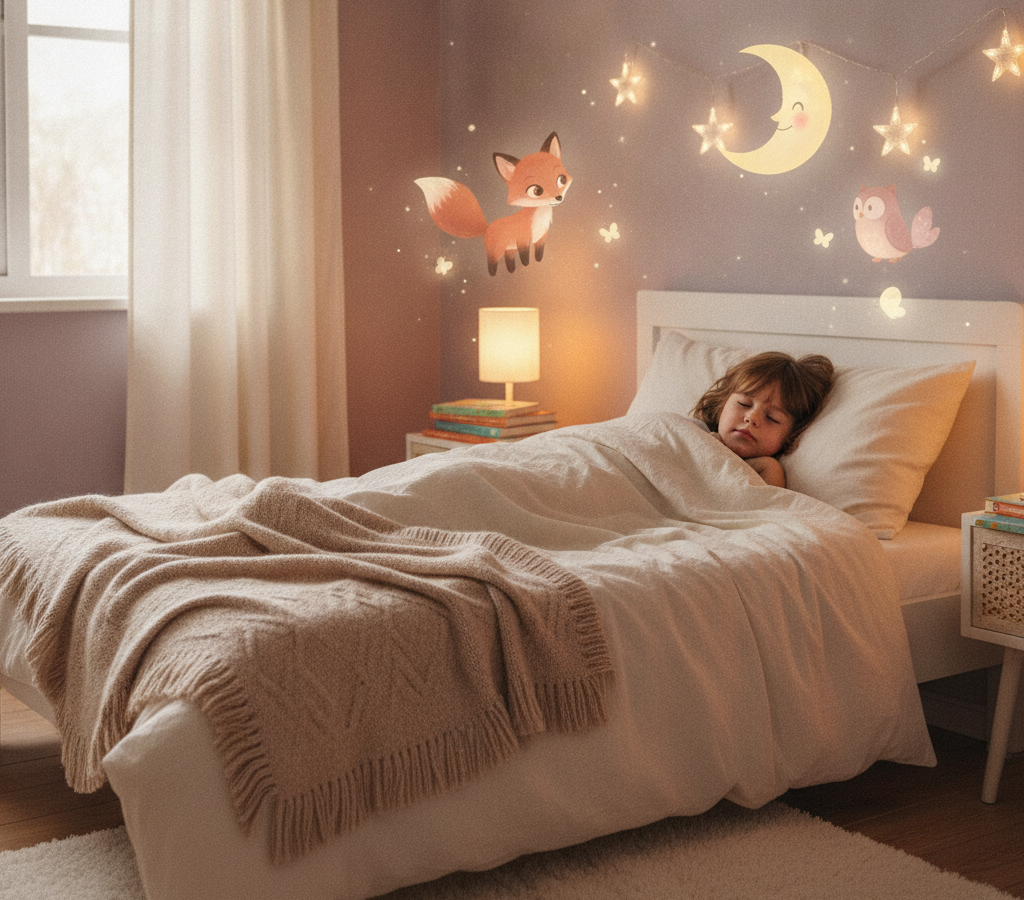
Which children's stories help with falling asleep in 2026? The question of which children's stories help with falling asleep in 2026 occupies parents every evening anew. The bed is made, the teeth are brushed — and yet the child turns over one more time, wants another glass of water, asks about the next adventure. But that is exactly the solution: the right adventure at the right time. Because a good bedtime story is not a luxury, but a powerful sleep routine. In this post, you'll learn which types of children's stories truly make falling asleep easier, what science has to say about it, and how you can get the best out of it for your child.
Why Stories Work So Well for Falling Asleep
Children live in their own world full of impressions, feelings, and questions. In the evening, all the day's experiences are still alive in their heads. A story gives the brain the opportunity to gently switch off — away from its own thoughts, toward a calm, guided world. This is no coincidence: when we listen to a story, the brain shifts into a more relaxed mode. The heart rate drops, the muscles relax, and the child slowly drifts off to sleep. Particularly effective are stories that:
- are told at a calm, steady pace
- have a manageable, soothing plot
- feature familiar places or characters
- get by without tension or fright
- involve the child itself as the main character
The last point is especially powerful — we'll get to that in a moment.
The Best Types of Children's Stories for Falling Asleep
1. Nature Stories with Gentle Imagery
Stories set in nature work almost like a meditation for children. Imagine your daughter Lena becomes a little explorer who strolls through an enchanted forest in the evening. The trees whisper to her, a deer looks at her curiously, and the moon lights her way. Such images are not exciting, but inviting — they allow the child to mentally let go and dream. Tip: Choose stories with flowing descriptions of water, wind, and stars. These natural sounds and images have a demonstrably calming effect.
2. Adventures with a Happy Ending
Children love little adventures — but in the evening, these should have no open endings or cliffhangers. Ideal are stories in which the hero or heroine falls into bed at the end, tired, happy, and safe. This gives the child the feeling: everything is fine, I can sleep now too.
3. Fantasy Stories with the Child as the Main Character
One of the most effective methods in 2026: personalized stories in which your child plays the lead role. If your son Milo is suddenly an astronaut who arrives home exhausted after a long flight and lies down in soft moss on his home planet — he identifies with it immediately. He feels the tiredness of the character, and his own tiredness suddenly feels good. This is exactly where modern tools come into play: apps like Edory AI allow parents to create a personalized story in just a few seconds, in which the child becomes the main character using their real name. This makes the story not only more exciting, but also emotionally closer — and therefore even more effective for falling asleep.
4. Relaxation Stories with Guided Breathing
A special category consists of stories that integrate small breathing exercises. For example: "And now the little cloud breathes in deeply… and out… It floats higher and higher…" Such passages naturally slow the child's breathing without them consciously noticing it. The result: deeper relaxation and faster sleep.
What You Should Definitely Keep in Mind When Reading Aloud
The story itself is only one half of the equation. The other half is you — your voice, your pace, your atmosphere. Here are the most important practical tips:
Speak more slowly than usual. A calm, even way of speaking signals to the child: it's bedtime. Dim the lights. Combine the story with soft lighting to support melatonin levels. Read at the same time every evening. Rituals are signals. When the child knows that sleep comes after the story, the brain gets used to it. No screen directly beforehand. Instead, use a printed book or an app specifically designed for quiet periods. Let the child help shape the story. Sometimes ask: "What do you think happens next?" — but keep the answers short and soothing.
Which Topics Work Particularly Well in Bedtime Stories
Not every topic is suitable for the evening. Here is an overview of what works particularly well in 2026 for children between 2 and 8 years old.