 edory
Reading Children's Stories in German Aloud – Tips for 2026
· 8 minutes read
Why Reading Children's Bedtime Stories Aloud in German Is So Valuable
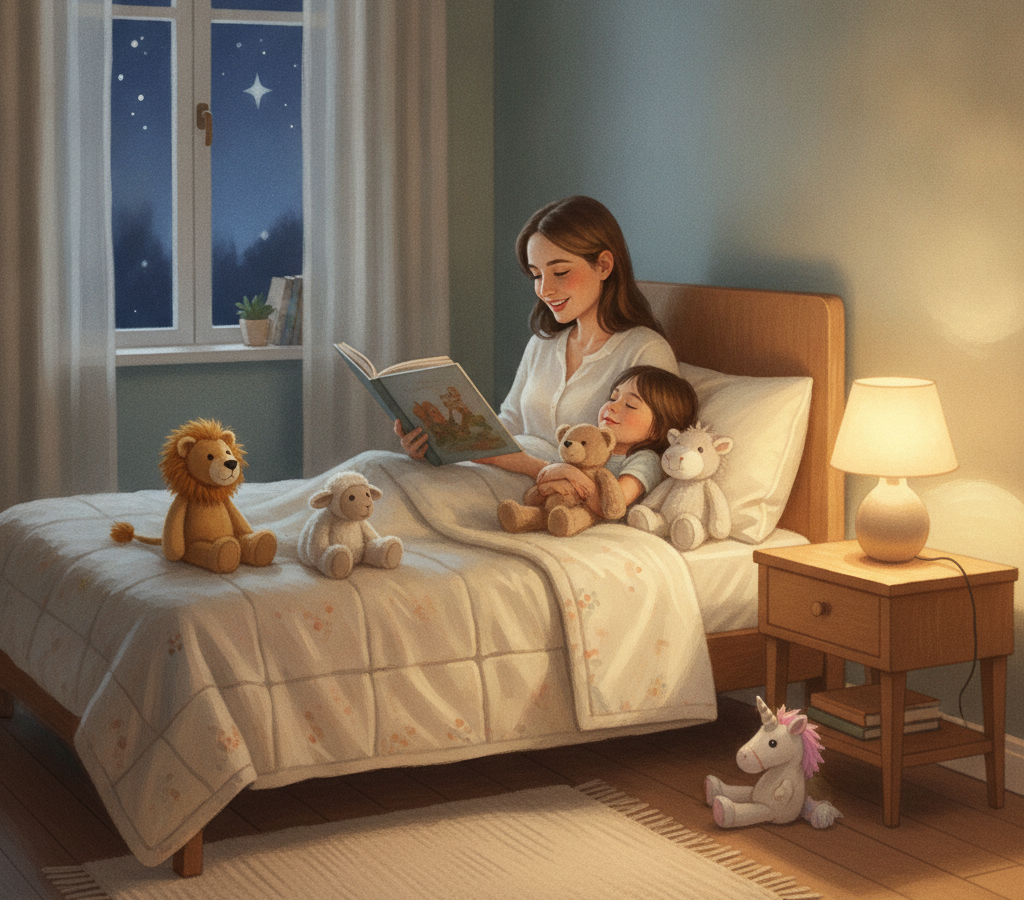
Do you know the feeling? It's just before eight o'clock, the children are tired, but their heads are still buzzing with impressions from the day. This is exactly where reading children's bedtime stories aloud in German works its magic. A calm voice, an exciting story, and a snuggled-up child – this is perhaps the most beautiful ritual of family life. But behind this cozy moment lies far more than pure tradition. Scientists and educators agree: reading together before bedtime promotes language development, strengthens the parent-child bond, and helps little minds wind down.
In this article, you'll discover how to make the bedtime ritual even more special, which stories are best suited for it, and how – even on stressful days – you can always have the perfect story at hand.
What Happens in the Brain When Children Hear Stories?
When you read your child a story in the evening, something remarkable happens inside their brain. It switches from an active exploration mode into a relaxed receiving mode. Images form in the mind's eye, emotions are gently engaged, and the nervous system calms down. This is no coincidence – stories work like a natural sleep aid, completely without side effects.
Reading aloud in German is especially beneficial for children growing up with the German language: they hear sentence structures, idioms, and vocabulary in a relaxed context. The brain stores these impressions particularly efficiently overnight. Studies from 2026 once again show that children who are read to regularly develop a significantly larger vocabulary – even at preschool age.
What's particularly wonderful: you don't need to be a professional narrator. Your voice – precisely because it is familiar – has a more calming effect on your child than any perfectly polished radio broadcast. Nuance, pauses, small voice changes for different characters – all of this makes reading aloud a truly unique experience.
Which Stories Are Best Suited for Bedtime?
Quiet Adventures Instead of Wild Chaos
Not every story is equally well suited for the evening. Action-packed tales of robbers or thrilling chase scenes may sound enticing, but they're more likely to set hearts racing than to bring calm. For evening reading, stories work best that:
- are told at a calm, leisurely pace
- deal with themes such as friendship, caring, or small everyday adventures
- have a positive, open, or peaceful ending
- contain vivid descriptions of nature, starry skies, or cozy places
- stimulate the imagination without causing agitation
Classics and New Formats – A Healthy Mix
Classics such as "The Little Prince," "The Rabbit School," or Grimm's Fairy Tales have their charm – and that endures. But in 2026, there are wonderful new ways to make reading aloud even more personal. Apps like Edory AI allow parents to create an individual story in just a few seconds, in which their own child is the main character. Imagine your daughter Lena becoming a brave pirate who discovers a sleeping dragon on an island made of clouds – and along the way learns what friendship truly means. Such personalized stories spark a completely different kind of enthusiasm and sense of connection while listening.
How to Create the Perfect Reading Ritual
Setting the Right Atmosphere
A good reading ritual begins even before the first line is told. Here are some tried-and-tested tips from everyday family life:
- Dim the lights: Soft, warm light signals to the body that it's time to sleep.
- Put phones away: Consistently – for both the children and yourself. This time belongs to the two of you.
- Set a fixed time: Rituals work best when they happen regularly. Ideally always at the same time.
- Include cuddly toys: Let the favorite teddy bear listen along – this creates a sense of security and closeness.
- Adjust your voice: Speak more slowly and a little more quietly than usual. That alone has a calming effect.
How Long Should You Read Aloud?
This naturally depends on the age of the child. For toddlers between two and four years old, ten to fifteen minutes is ideal. For children of primary school age, it can be twenty to thirty minutes – especially when the story is engaging and age-appropriate.
More important than the length of time is the quality of the moment: a child who feels loved and safe falls asleep more easily than one who has been read to for hours while Mum or Dad was mentally somewhere else entirely.
Reading Children's Bedtime Stories Aloud in German – Even on Stressful Days
Let's be honest: there are evenings when, after a long day, you're so exhausted that you can barely form a clear thought – let alone invent an imaginative story on the spot. This is completely normal, and it's precisely here that modern tools can help. Apps and platforms designed for parents make it possible to have a new, personalized bedtime story ready in seconds – tailored to your child's interests, age, and even their name. This way, the ritual can be maintained even on the most hectic of days, without any sense of guilt or stress.