 edory
edory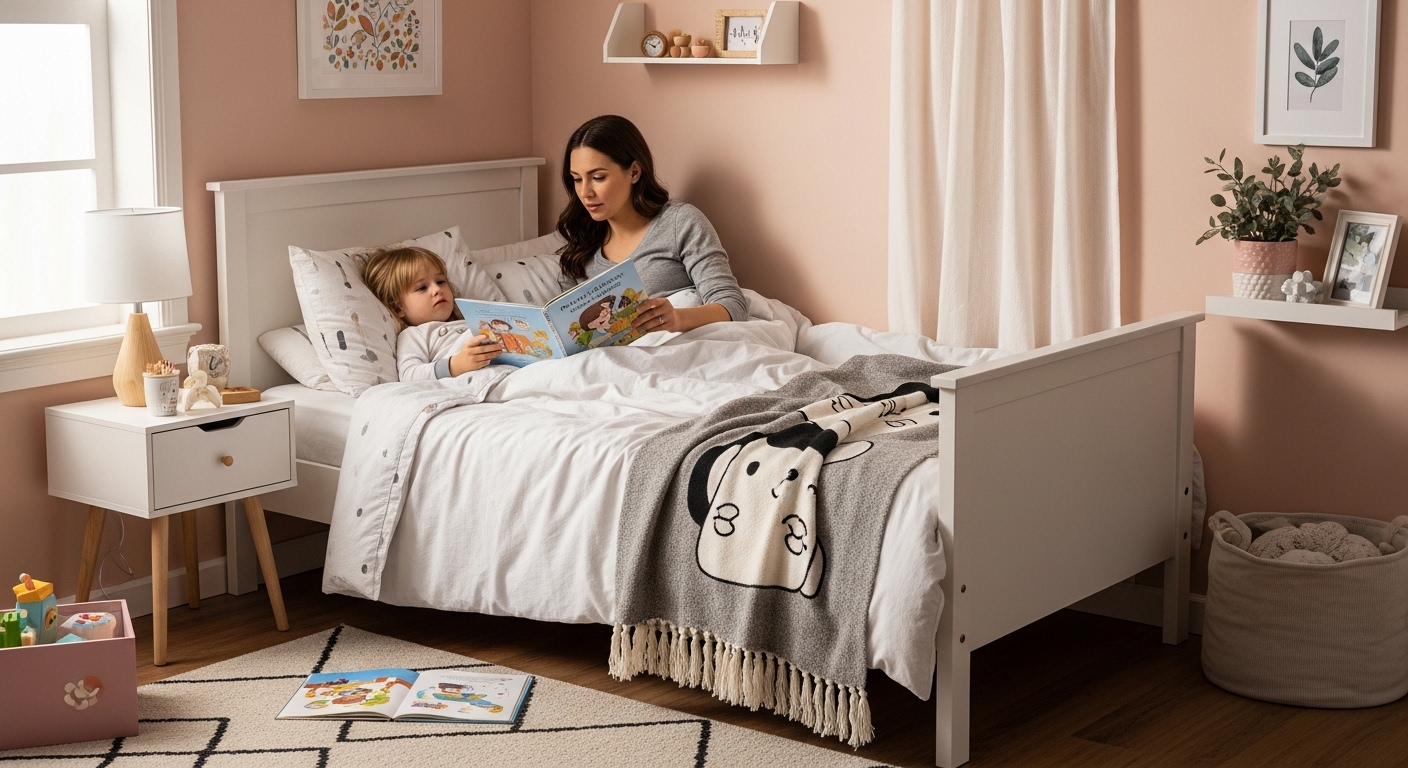
Children need sleep to grow and learn properly. And what many don't know: Reading aloud before bedtime demonstrably strengthens children's development and improves language skills. But what's surprising is that it's not just about the book. Because the magical moment at bedtime comes from the combination of calm stories and closeness to familiar people.
Table of Contents
- The Importance of Sleep and Stories for Children
- Selection Criteria for the Perfect Children's Book
- Popular Classics of Children's Literature
- New Releases That Children Love
- Illustrations and Their Impact on Reading Aloud
- Tips for the Reading Aloud Experience with Children
- How to Create a Reading Tradition in Daily Life
Quick Summary
| Takeaway | Explanation |
|---|---|
| Sleep is crucial for children | It promotes physical and emotional growth and memory consolidation. |
| Stories promote development | They strengthen bonds, language, and empathy, especially with regular reading aloud. |
| Choose calming children's books | Pay attention to age-appropriate language and positive emotional mood for a relaxing bedtime companion. |
| Illustrations support understanding | Gentle and clear images help children better process complex stories and understand emotions. |
| Reading traditions create emotional bonding | A fixed reading time and shared reading strengthen the connection between parents and child. |
1: The Importance of Sleep and Stories for Children
Sleep plays a crucial role in children's development. More than just a recovery phase, it is a critical process for physical and mental growth. Stories before bedtime are more than just entertainment they are a powerful tool for promoting children's development.
According to Pediatrics Research, sleep rituals such as reading aloud have demonstrated positive effects on children. They not only help with falling asleep but also support important developmental processes:
- Strengthen emotional bonds between parents and child
- Improve language skills
- Promote creativity and imagination
The process of storytelling activates complex neural networks in the child's brain. Children unconsciously learn new words, understand emotional states, and develop empathy. A regular reading routine can significantly support cognitive development.
Sleep itself is crucial for memory consolidation. While children sleep, the brain processes information, consolidates learning experiences, and regenerates. A calm, predictable evening routine with stories helps reduce stress and create a relaxed sleep environment.
For parents, this means: Choosing the right children's book is more than simple entertainment. It is an investment in their child's development. Books that evoke emotions, tell stories, and have a calming effect are particularly valuable.
Science emphasizes: High-quality children's books for bedtime are real developmental aids. They not only pave the way to the dream world but also lay the foundation for lifelong learning and emotional intelligence.
2: Selection Criteria for the Perfect Children's Book
Choosing the right children's book for bedtime is an art in itself. Not every book is equally suitable to gently guide children into the dream world. Several complex factors are decisive, far beyond a simple plot.
According to scientific research, parents should consider the following key criteria in the selection process:
- Age-appropriate language and complexity
- Calming, non-overstimulating illustrations
- Positive emotional mood
- Short, clear plot lines
Linguistic design is the key to success. Children's books for bedtime require special text quality. The language should be soft, rhythmic, and predictable. Complicated plots or frightening scenarios are off-limits. Instead, gentle narrative structures that convey trust and security are what count.
Illustrations play an equally important role. Visual elements should not be too colorful or chaotic. Pastel colors, soft edges, and calming subject matter help the child's brain wind down. The images serve as visual sleep aids.
Additional important selection aspects include:
- Recognition value of characters
- Gentle narrative structures
- Minimal action-packed sequences
The goal is not entertainment, but emotional regulation. An ideal children's book for bedtime creates a bridge between wakefulness and sleep. It takes the child emotionally along without overwhelming or stimulating them.
What remains crucial: Every child is unique. What works perfectly for one child may be unsuitable for another. Parents should remain open to experimentation and carefully observe which books actually calm their little ones.
3: Popular Classics of Children's Literature
Children's books have a magical ability to create worlds and touch hearts. Classic children's books are timeless treasures that have accompanied generations of children. They are more than just stories - they are emotional guides and sleep helpers.
Some classics have left particularly deep marks on children's literature. Discover more about worldwide stories that enchant and calm children.
According to historical research, the following books are among the unforgettable classics:
- "Goodnight Moon" by Margaret Wise Brown
- "Where the Wild Things Are" by Maurice Sendak
- "The Gruffalo" by Julia Donaldson
The magic of these books lies in their simplicity. They tell stories without complicated plots, with soothing language that reaches directly to the child's heart. The illustrations are soft, the messages warm and comforting.
"Goodnight Moon," for example, is a masterpiece of bedtime literature. With minimalist images and repetitive elements, it creates a hypnotic atmosphere. Every object in the child's room is lovingly said goodbye to, which gives children a sense of security and comfort.
Maurice Sendak's "Where the Wild Things Are" demonstrates another quality of classic children's books. The story allows children to explore wild emotions while learning that they always have a safe harbor.
Important characteristics of these classics:
- Simple, soothing language
- Loving illustrations
- Emotional depth
These books are timeless companions that are far more than sleep aids. They are windows to worlds of fantasy, comfort, and security.
4: New Releases That Children Love
The children's book landscape is constantly evolving. Modern children's books combine contemporary themes with calming narrative structures specifically designed for bedtime. Discover tips for reading start to inspire children to read.
Newer children's books are characterized by special qualities:
- More diverse characters and stories
- Innovative illustration techniques
- Gentle educational messages
Current trends in children's literature show a remarkable development. Today's authors place great emphasis on emotional intelligence and child-friendly presentations of complex emotional worlds. The books are not only sleep aids but also important developmental companions.
An outstanding example is the "Luna and the Dream Catcher" series by Sophie Reinhardt. The story follows a girl who overcomes nighttime fears with imagination and courage. The gentle narrative style helps children feel safe and secure.
Other notable new releases include:
- "Starlight Magic" by Emma Lindenbaum
- "The Little Moon Wanderer" by Max Hoffmann
- "Goodnight, Little Cloud" by Lisa Bergmann
These books combine several important aspects: They are visually appealing, have calming plots, and convey positive messages. Illustrations play a key role. Soft color tones, dream-like representations, and minimalist design help children relax.
Modern children's books understand themselves as more than pure entertainment. They are emotional companions that help children find their inner peace and gently glide into the dream world.
5: Illustrations and Their Impact on Reading Aloud
Illustrations are more than decorative elements - they are a bridge between text and children's imagination. They translate words into visual experiences and help children understand and process complex stories.
Read our tips on reading promotion to understand how images help children learn.
According to scientific research, illustrations have crucial functions:
- Support narrative comprehension
- Promote concentration
- Emotional engagement of the child
Color choice plays a crucial role. Pastel tones and soft color nuances signal calm and comfort. They gently prepare the child's brain for sleep. Contrasting or bright images, on the other hand, can be stimulating and make falling asleep more difficult.
Illustrations often convey more than words. A lovingly drawn animal, a warm hugging scene, or a peaceful night sky can convey more comfort than long explanations. They speak directly to the child's emotional level.
Special design principles apply to children's books for bedtime:
- Soft color gradients
- Soft contours
- Reduced detail
- Calming subject matter
Modern illustrators understand the psychological effect of their images. They create visual spaces that help children reduce stress and relax. Each illustration is a small invitation into a safe, peaceful world.
The perfect illustration for bedtime is like a visual sleep aid - it takes the child by the hand and gently guides it into the dream landscape.
6: Tips for the Reading Aloud Experience with Children
Reading aloud is more than a routine - it is a magical moment of connection between parents and children. A carefully crafted reading time can not only calm but also strengthen the emotional bond.
Discover more tips for reading start to optimize the reading aloud experience.
For a successful reading aloud experience, experts recommend the following strategies:
- Establish a fixed reading time
- Create a calm, relaxed atmosphere
- Show your own enthusiasm for reading
The voice becomes an instrument of calming. A soft, rhythmic reading technique helps children relax. Vary pitch and speed to create tension and relaxation. Slow, melodic reading works like an auditory sleep aid.
Body posture plays a crucial role. Physical closeness conveys security. Snuggle up together, create a protected bubble. The child should feel safe and secure.
Important reading principles include:
- Maintain eye contact
- Use facial expressions and gestures
- Pay attention to the child's reactions
Interactive reading aloud makes the experience come alive. Ask gentle questions, leave room for children's imagination. Don't interrupt the story too often - the goal is relaxation, not entertainment.
Respect your child's individual preferences. Some like dramatic readers, others prefer a quiet, almost whispering voice. Experiment and remain flexible.
The perfect reading aloud experience is an art of empathy. It means sensing exactly what the child needs in this moment - comfort, closeness, or simply a warm voice telling a story.
7: How to Create a Reading Tradition in Daily Life
A reading tradition is more than a daily ritual - it is an investment in your child's emotional and intellectual development. The foundation of a strong reading culture begins with consistency and enthusiasm.
Discover why reading is so important to understand the meaning of a reading tradition.
According to educational research, the following strategies are crucial:
- Define fixed reading times
- Make books accessible
- Shape reading aloud as a shared experience
The environment plays a crucial role. Create reading corners in your home. A cozy armchair, a snug nook, or a special spot with books signals: Reading happens here, shared time is spent here.
Children need role models. Show your own enthusiasm for reading. Let your child see