 edory
edory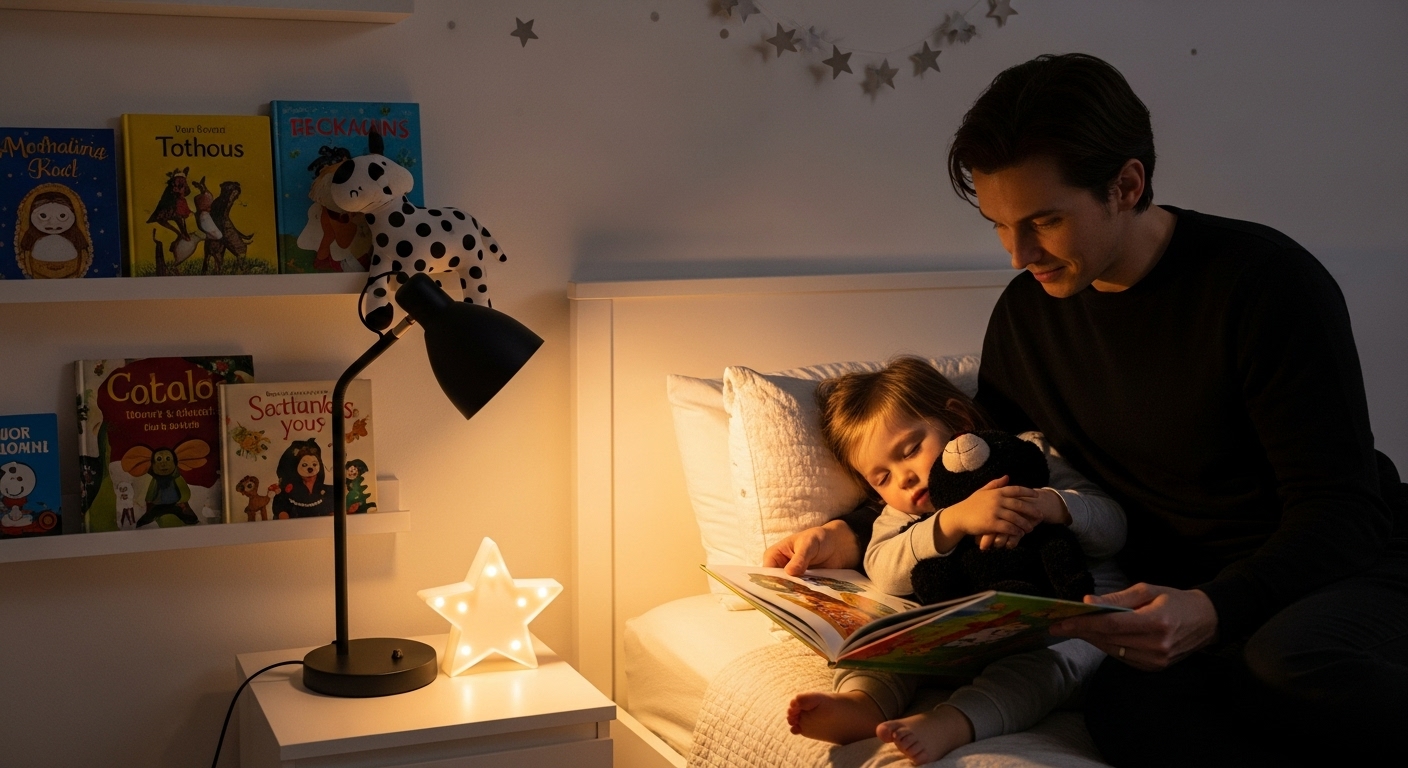
Fairy tales are a firm part of the bedtime routine for many children and create a world full of fantasy and security. But did you know that approximately 90 percent of parents read aloud regularly in the evenings? Many think this is just a nice tradition. In fact, these stories in the evening are real development engines – because they not only strengthen the parent-child bond, but also demonstrably promote language, creativity, and even inner peace.
Table of Contents
- The Importance of Fairy Tales for Falling Asleep
- Tips for Choosing the Right Fairy Tales
- The Best Short Fairy Tales for Different Age Groups
- How to Tell Stories Engagingly
- Rituals to Combine with Fairy Tales for Bedtime
- Relaxation Methods Before Reading Aloud
- The Benefits of Fairy Tales for Child Development
Quick Overview
| Insight | Explanation |
|---|---|
| Fairy tales promote falling asleep | They create a calming atmosphere and help children settle down. |
| Age-appropriate fairy tale selection is crucial | Parents should choose stories that match their child's developmental stage. |
| Reading aloud dynamics support falling asleep | A gentle voice and slow pace promote relaxation before sleep. |
| Complementary rituals improve sleep quality | A holistic evening routine can ease the transition to bedtime. |
| Relaxation techniques prepare for reading aloud | Exercises like belly breathing help create a calm atmosphere. |
1: The Importance of Fairy Tales for Falling Asleep
Fairy tales are not just magical stories; they play a crucial role in helping children fall asleep. They help little ones settle down and create a relaxed atmosphere before bedtime. According to research by developmental educators, bedtime stories can be much more than just entertainment.
Reading fairy tales aloud is an important bedtime ritual that gives children a sense of safety and security. Approximately 90% of parents read stories to their children regularly, which shows how significant this moment is. The benefits are diverse:
- Calming and emotional stability
- Fostering imagination and creativity
- Improving language development
- Strengthening the bond between parents and children
Fairy tales have a special therapeutic effect. They help children process complex emotions and overcome challenges symbolically. Developmental psychologists like Daniel N. Stern argue that stories help children develop a coherent sense of self.
When parents read bedtime stories to their children, they create more than just a sleep-time routine. They open a world of fantasy, safety, and emotional support. Every fairy tale is a bridge between reality and imagination that helps the child settle down and fall asleep peacefully.
2: Tips for Choosing the Right Fairy Tales
When selecting fairy tales for bedtime, parents must proceed with special sensitivity. Not every story is suitable for every age and developmental stage of a child. The right choice of fairy tale can be decisive for a relaxed bedtime.
According to intercultural comparative studies, there are some essential criteria to consider when selecting fairy tales:
- Age-appropriateness of the story
- Emotional security and comfort
- Positive and hopeful messages
- Content that is not too exciting or frightening
Young children need gentle, soothing stories that do not cause fear. Fairy tales should convey to children that everything will be fine in the end and that challenges can be overcome. Complex or overly dramatic plots can overstimulate the imagination of young children and make falling asleep more difficult.
The reading dynamics are also important. A calm, gentle voice and a slow telling pace support the transition to bedtime. When selecting stories, parents should make sure the narrative is not too exciting or action-packed.
Every child is unique, so it's important to observe your child's reactions and adjust your fairy tale selection accordingly. What has a calming effect on one child can cause restlessness in another.
3: The Best Short Fairy Tales for Different Age Groups
The selection of appropriate fairy tales varies by age group. Every child has different needs and ways of understanding stories that help with falling asleep.
For children between 2 and 4 years old, short, simple stories with few characters and clear structures are particularly suitable. Fairy tales told in modern ways can be a good option here.
For toddlers, fairy tales with the following features are recommended:
- Simple plot progressions
- Familiar animal characters
- Soothing elements
- Positive messages
Children between 4 and 6 years old can already understand more complex stories. Here, fairy tales are interesting that include light adventures and learning moments. This age group enjoys stories about:
- Friendship
- Little heroes
- Magical moments
- Animal adventures
For school-age children from 6 years old, more demanding fairy tales can be chosen that contain more suspense and deeper moral messages. According to educational studies, these stories should still not be too exciting to avoid interfering with falling asleep.
The most important rule remains: observe your child's reactions and adjust the stories accordingly. Every child is unique and has their own preferences when falling asleep.
4: How to Tell Stories Engagingly
Telling fairy tales is an art that requires more than just reading texts aloud. The way you tell the story determines whether children listen captivated or fall asleep quickly.
Important techniques when telling fairy tales include:
- Varying tone of voice and speaking speed
- Natural pauses for suspense
- Gentle vocal tones
- Emotional nuance
What makes a good story depends not only on the content but also on the presentation. The voice becomes an instrument that creates atmosphere and mood.
According to educational research, parents should pay special attention to the following aspects:
- Maintain eye contact with the child
- Practice calm, steady breathing
- Use body language
- Tell the story slowly and thoughtfully
The key lies in the balance between excitement and calming. The story should be interesting enough to capture attention but not so exciting that it prevents falling asleep.
The art of storytelling requires practice and sensitivity to the child's reactions. Each family develops their own magical way of telling stories.
5: Rituals to Combine with Fairy Tales for Bedtime
Fairy tales alone are not enough to create an optimal sleeping environment for children. Holistic evening routines can significantly improve the transition to bedtime.
According to scientific research, complex evening routines are particularly effective. A recommended evening sequence might look like this:
- Take a warm bath
- Put on comfortable clothes
- Play soft background music
- Dim the room lights
- Have a cuddly toy ready
Combining fairy tales with additional calming elements can significantly improve children's sleep quality. Important complementary rituals include:
- Soft relaxation music
- Gentle stroking
- Deep breathing together
- Quiet speaking
The regularity of such rituals sends an important signal to the child's brain: it's time to calm down. Stories from around the world can also add intercultural aspects and stimulate imagination.
What's crucial is that parents tailor the routine to their individual child. What works for one child doesn't necessarily work for another. The art lies in sensitively attuning to your own child's needs.
6: Relaxation Methods Before Reading Aloud
Relaxation is the key to gentle falling asleep and prepares children ideally for the magical world of fairy tales. The preparation phase before reading can be decisive for a quiet night.
According to scientific research, there are several effective relaxation methods for children:
- Practice deep belly breathing
- Perform gentle body stretches
- Play soothing music softly in the background
- Consciously calm thoughts
The environment plays a crucial role. Dimmed lighting and a calm atmosphere signal to the child's body that it's time to wind down. Awakening a love of reading begins with the right preparation.
Additional relaxation techniques include:
- Guided meditation for children
- Gentle back stroking
- Quiet humming or soft songs
- Visualization exercises with eyes closed
It's important to tailor the methods to your child individually. Not every technique works equally well for all children. Parents should experiment and observe their child's reactions carefully.
The art lies in creating a trustworthy and relaxed atmosphere that conveys safety and security to the child.
7: The Benefits of Fairy Tales for Child Development
Fairy tales are far more than just entertainment - they are powerful development tools for children. They offer a unique gateway to emotional and cognitive education.
Scientific studies show impressive developmental benefits from fairy tales:
- Promoting language development
- Strengthening imagination
- Improving emotional understanding
- Developing empathy
Cognitive benefits play a crucial role. Fairy tales help children understand complex thought patterns and develop logical thinking. Why fairy tales are important goes far beyond simple entertainment.
The emotional development possibilities include:
- Learning to handle feelings
- Understanding moral concepts
- Coping with fears
- Developing problem-solving strategies
Fairy tales offer a safe space where children can playfully explore complex life situations. They learn important life lessons in an age-appropriate and understandable way.
The greatest strength of fairy tales lies in their ability to show children that challenges can be overcome - a message that reaches far beyond bedtime.
The following table provides a comprehensive summary of the article's most important topics, benefits, and recommendations regarding short fairy tales and sleep rituals for children.
| Focus | Key Messages and Benefits |
|---|---|
| Importance of fairy tales | Fairy tales promote emotional well-being, imagination, language development, and strengthen the parent-child bond. |
| Selection of age-appropriate fairy
🦉
📱 Now Available
Ready for the First Adventure?Get Edory AI for free and start today with personalized children's stories your child will love. ⭐⭐⭐⭐⭐ Over 1,000+ happy families · Start for free |