 edory
edory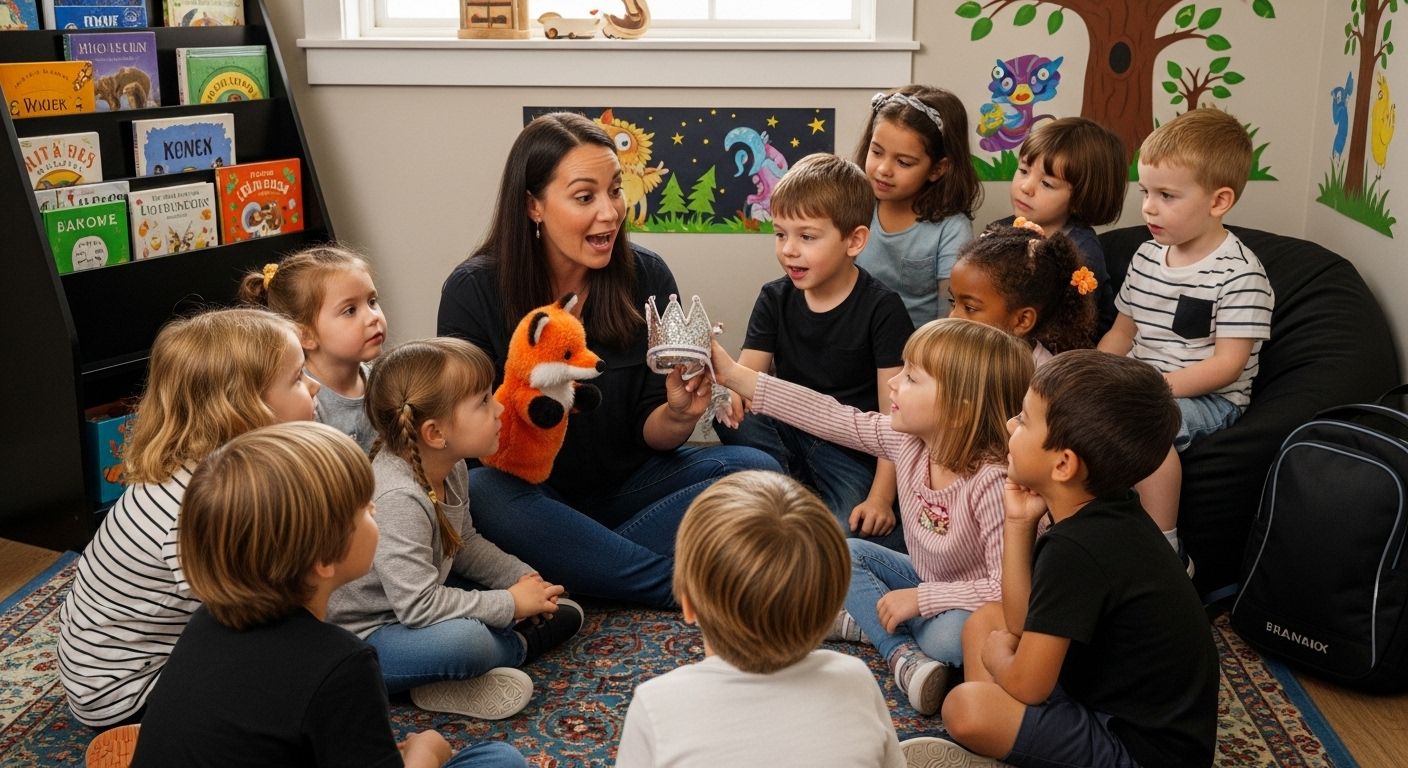
Children love immersing themselves in story worlds. With the right selection of topics, you can quickly spark their interest. Surprisingly, topics that are based on children's experiences and favorite things can significantly increase their motivation and attention. However, many adults think it takes great imagination or complicated ideas to excite children. In fact, sometimes a familiar animal or a small everyday observation is enough to captivate children's hearts in no time.
Table of Contents
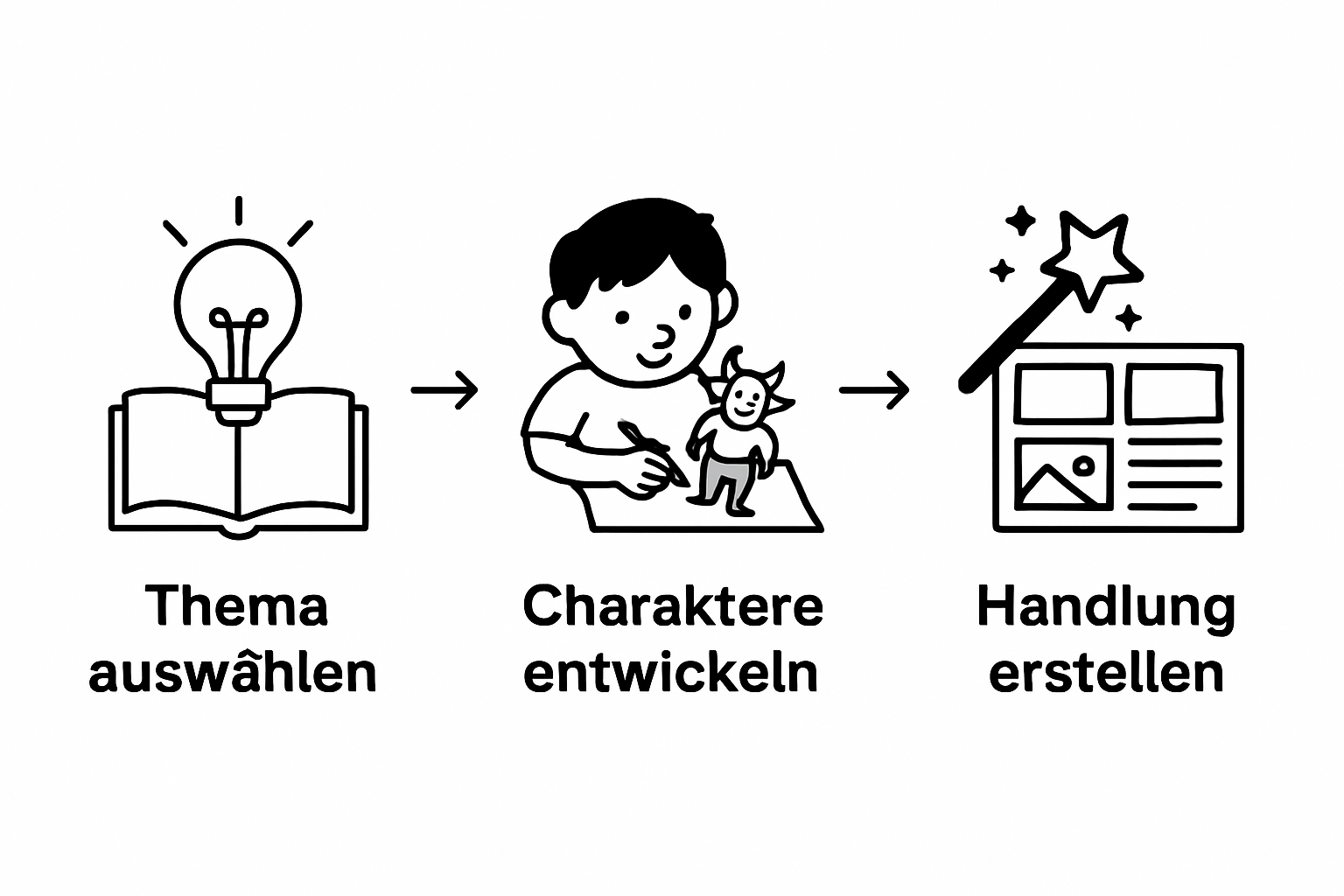
- Step 1: Choose an Exciting Topic
- Step 2: Develop Characters and Their Traits
- Step 3: Create a Captivating Plot
- Step 4: Integrate Important Messages or Lessons
- Step 5: Practice Telling the Story
- Step 6: Share the Fantasy Story with Others
Quick Summary
| Key Point | Explanation |
|---|---|
| 1. Choose an Exciting Topic | Select topics that spark children's curiosity and reflect their interests. |
| 2. Create Distinct Characters | Develop tangible characters with unique traits for children to identify with. |
| 3. Design a Captivating Plot | Structure the story with rising tension and clear conflicts. |
| 4. Integrate Important Messages | Convey life lessons and moral values clearly and age-appropriately through the plot. |
| 5. Practice Storytelling | Practice telling your story to bring it to life and reach children emotionally. |
Step 1: Choose an Exciting Topic
Choosing a captivating topic is the key to successful storytelling in kindergarten. Children have a natural curiosity and imagination that can be awakened and fostered through the right topic selection. A well-chosen topic can transport children into a world of fantasy and fuel their creativity.
Start with topics that reflect children's life worlds and interests. Observe what excites the children - whether it's animals, adventures, superheroes, or magical worlds. Let their preferences inspire you. A topic that children already know and love will immediately capture their attention and motivate them to follow the story.
According to research in the International Journal of Early Years Education, selecting stories connected to children's experiences increases their interest and motivation. Think about recent experiences or topics that occupy children's minds. Perhaps they recently took a trip, saw a special animal, or experienced an exciting event. These moments offer excellent starting points for imaginative stories.
Be creative and flexible in your topic selection. A good topic can emerge from a simple question, an object, or even a sound. Encourage children to contribute their own ideas. Sometimes the best story ideas come directly from the young storytellers themselves. Make sure the topic is age-appropriate and understandable, without being too complex or frightening.
To ensure you've chosen an exciting topic, pay attention to children's reactions: Do their eyes light up? Are they attentive and concentrated? Do they ask questions? These signs show that you've struck the right chord and the children are ready to engage with the story.
Step 2: Develop Characters and Their Traits
Characters are the heart of every good story, especially when it comes to children's stories. They are more than just names or figures - they are the soul that emotionally captivates children and fuels their imagination. Developing lively, interesting characters is crucial to getting children to feel invested and experience the story firsthand.
Start with simple, but memorable character traits. Remember that kindergarten children need characters they can easily understand and identify with. A brave rabbit, a curious cat, or a friendly dragon can be exactly the right protagonists. Give each character a special trait or feature that makes them unique.
According to research in the ERIC document, character development in early educational phases promotes empathy and creativity in children. Encourage children to contribute their own character ideas. Perhaps a child has a great idea for a character with a special ability or a funny quirk. This participation makes the story even more exciting and personal for them.
Make sure your characters have depth and room for development. A character who overcomes a challenge or learns something new inspires children and shows them that growth and learning are important. Avoid perfect characters - flaws and small difficulties make figures interesting and realistic. A character who starts out shy but shows courage in the end will motivate and excite children.
To ensure your characters work, observe children's reactions. Do their eyes light up? Do they ask questions about the characters? Do they want to know more about them? These are signs that you've created characters who are truly alive and captivating. Additionally, you can discover more creative learning skills in our guide to enrich your character development.
Step 3: Create a Captivating Plot
The plot is the backbone of every story and determines whether children listen spellbound or get distracted. A captivating plot transforms simple words into a magical experience that makes children's eyes light up and fuels their imagination.
Start with a clear, simple basic structure. Every good story needs a beginning that immediately captures children's attention. Introduce a situation or problem that sparks curiosity. Perhaps a little rabbit faces a big challenge or a dragon discovers a secret valley. The starting point should be exciting and understandable.
According to OECD research in the field of education, it's crucial to structure the plot with rising tension. Build in small obstacles that the main character encounters. These challenges shouldn't be too complicated, but interesting enough to captivate children. A brave character who finds a way through an enchanted forest maze will definitely captivate kindergarten children.
Make sure the plot is dynamic and full of surprises. Unexpected turns make a story come alive. Perhaps an unexpected friendship helps solve a problem or a seemingly useless object becomes the key to success. These moments create excitement and joy.
The tension arc should be clear and comprehensible for kindergarten children. A simple conflict resolved through creativity, friendship, or courage conveys positive messages. Avoid overly complex or frightening scenarios. Instead, the solution should be motivating and age-appropriate. Find more insights into the art of storytelling in our guide.
To check if your plot works, observe the children closely. Are they attentive? Do they ask questions? Do they laugh or sigh at the right moments? These reactions show that your story touches them emotionally and captures their imagination.
Step 4: Integrate Important Messages or Lessons
Stories are more than just entertaining narratives - they are powerful tools for conveying important life lessons and moral values. Children learn best through stories that subtly and playfully transport messages without being preachy.
Hide lessons naturally in the plot. The message shouldn't feel forced, but should grow organically from the story. A character who shows kindness, demonstrates courage, or solves problems through cooperation conveys valuable principles in a way that children intuitively understand and internalize.
According to research in the field of education, moral stories with positive consequences can promote prosocial behavior in children. Choose topics like friendship, respect, compassion, or courage - values that support children in their development. A story about a little rabbit who helps a lost baby bird can convey empathy and helpfulness in a playful way.
Pay attention to age-appropriate messages. Complex moral dilemmas overwhelm kindergarten children. Focus on simple, clear messages: sharing is good, kindness counts, teamwork makes strength. The solution should always be positive and hopeful, never discouraging or overly complicated.
Interactive elements can further reinforce the message. Ask children for their opinions: "What would you do in the main character's place?" Such moments not only spark imagination but also help reflect on the story. Discover more creative learning activities in our guide.
To check if your message gets through, observe the children closely. Do they talk about the story? Do they imitate the characters' positive actions? These reactions show that your story is more than just entertainment - it's a tool for character building.
Step 5: Practice Telling the Story
Telling a story is an art that requires practice, passion, and creativity. Each repetition makes you more confident and brings your story to life. Children immediately sense whether the storyteller is truly engaged with heart and soul.
Start with quiet, controlled rehearsals. Practice in front of a mirror or record your story on tape. Pay attention to your voice pitch, emphasis, and pace. A story comes alive through nuances - sometimes you whisper excitingly, sometimes you speak dramatically. Vary your voice for different characters. The little rabbit can have a high, tender voice, while the old bear speaks deeply and leisurely.
According to research on fostering creativity in preschool children, physical movement plays a crucial role in storytelling. Use gestures and facial expressions to bring the story to life. Show with your hands how big the dragon is, make frightened facial expressions, or jubilant gestures. This physical involvement makes the story tangible and exciting for children.
Practice in front of an understanding audience. Family or friends can be helpful listeners. Ask for honest feedback: where were they particularly captivated? Where did they lose focus? Children are often the best critics - their attentiveness or restlessness shows you where you need to improve the story. Discover more tips for storytelling in our guide.
Pay attention to your breathing and posture. A relaxed, open posture conveys confidence. Take your time and let pauses have their effect. Sometimes silence says more than a thousand words. Children love moments of suspense when they wait with bated breath for what happens next.
To check if your story works, observe the reactions closely: Do the children's eyes light up? Are they sitting still and attentive? Do they ask questions? These signs show that your story is not just told, but truly experienced.
Step 6: Share the Fantasy Story with Others
Sharing a story is more than just passing on words - it's a connection of hearts, an opportunity to blend emotions, ideas, and fantasies. When you share your story with others, you create a magical bridge between your imagination and the listeners.
Choose your audience carefully. Children respond differently to stories. Some love big adventures, others prefer gentle, reflective narratives. Observe their reactions and adjust your story accordingly. A familiar circle of family or friends can be the perfect first step to get feedback and build confidence.
According to research in the 'Journal of Computers in Education', collaborative storytelling promotes narrative coherence and improves social interactions. Use interactive elements when sharing. Ask listeners for their thoughts, let them imitate characters or make sounds. This inclusion transforms passive listeners into active participants in the story.
Create an inviting atmosphere. The location and environment play a crucial role. A cozy circle of chairs, dimmed lighting, or even a blanket as a magic cloak can enchant the storytelling atmosphere. Discover more ideas for imaginative stories in our guide.
Be prepared for unexpected reactions. Children are honest and direct - they will openly show boredom, confusion, or enthusiasm. Don't see this as criticism, but as a chance to learn and grow. Perhaps a child wants to tell the story differently or has their own idea for a character's name.
To check if your story resonates, pay attention to the reactions: Do the children's eyes light up? Do they remain quiet and attentive? Do they ask questions? Do they want the story repeated? These moments show that you've shared more than just a story - you've opened a world of fantasy.
Turn Fantasy Stories into a Daily Highlight for Your Child
You probably know the challenge: it's not easy to regularly come up with exciting and age-appropriate fantasy stories for everyday kindergarten life. Often there's a lack of time or inspiration to create truly creative topics with vivid characters and appropriate messages. That's exactly where Edory comes in to help you expand your storytelling skills. Our platform combines educational standards with the diversity of modern stories and brings out the best in your imagination. In our Uncategorized – Edory AI – Educational Children's Stories category, you'll find inspiration and tips for daily life and daycare.
Want to discover stories together