 edory
edory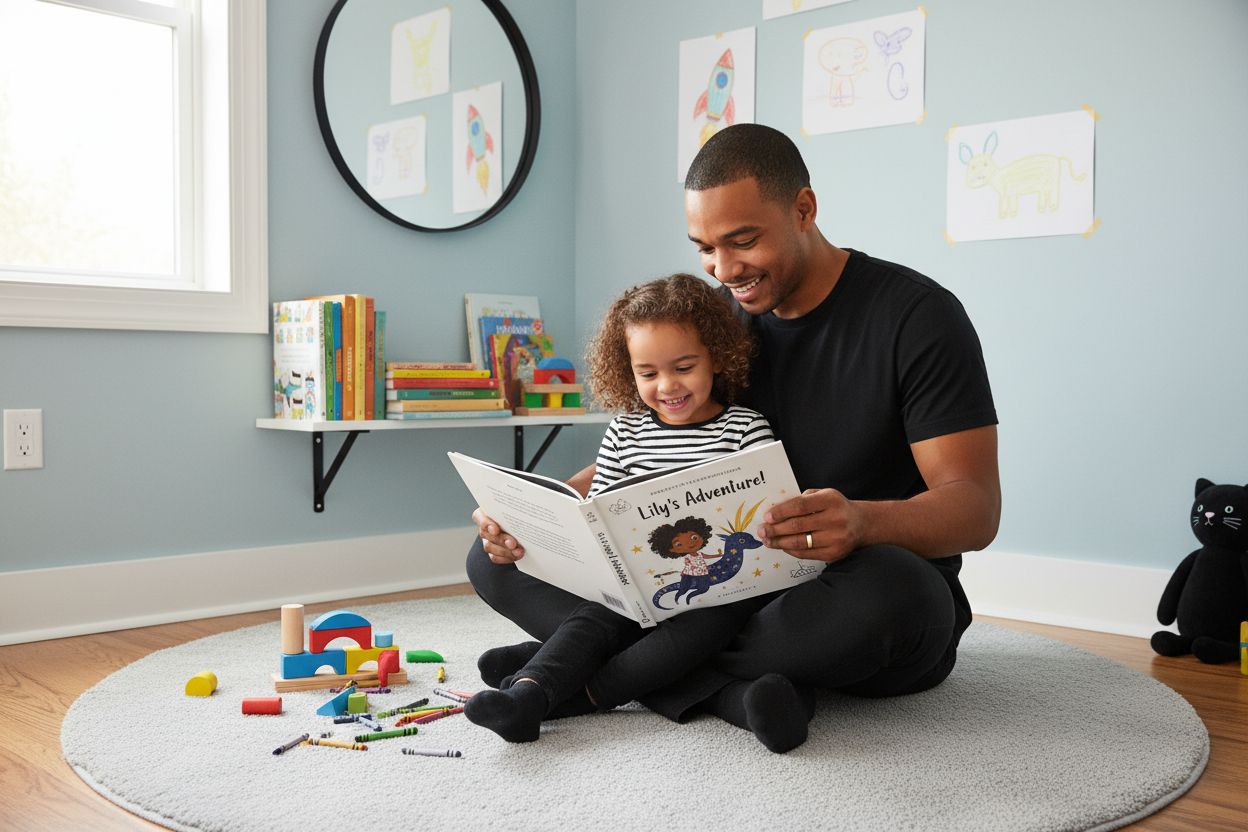
Children love stories and are amazed when they suddenly find themselves as the hero in an adventure. Sounds like magic, right? Suddenly, a study shows that personalized children's stories can increase reading interest by up to 70 percent. This turns a simple fairy tale book into a powerful tool that elevates experience, learning, and imagination to a whole new level.
Table of Contents
- What are personalized children's stories?
- The benefits of personalized children's stories
- How to include your child's preferences
- Choosing characters and names creatively
- Creating simple stories: structure and content
- Options for illustration and design
- Connecting stories with learning content
Quick Summary
| Takeaway | Explanation |
|---|---|
| Personalized stories increase reading motivation. | Children are more motivated to read stories when they are the main character in them. |
| Individuality is key to the story. | The child's interests and preferences should be integrated into the plot to create a deeper connection. |
| Positive character development promotes self-esteem. | Well-developed characters help children recognize themselves and strengthen their confidence. |
| Clear structure is important for children's stories. | A structured narrative with clear conflicts and resolutions keeps children engaged and interested. |
| Integrate learning content creatively. | Stories are an effective method for conveying knowledge playfully and presenting learning content in an exciting way. |
1: What are personalized children's stories?
Personalized children's stories are a creative and innovative way to offer children tailored reading experiences. Unlike traditional storybooks, these are developed specifically for the individual child, with details such as name, appearance, interests, and even personal experiences of the child directly integrated into the plot.
These individual stories have several important characteristics:
- Direct inclusion of the child as the main character
- Adaptation to individual interests and developmental levels
- Motivation to read through high personalization
With personalized children's stories, it's not just about inserting the child's name. It means a complex transformation of the entire narrative structure so that the child truly feels part of the story.
The process of creating such stories can involve various approaches. Some parents use online platforms that automatically generate personalized stories, while other creative parents write and design the stories themselves.
For children, these personalized stories offer more than just entertainment. They promote reading interest, increase reading motivation, and help with identity development. When a child finds themselves as the hero of a story, it can strengthen self-esteem and spark imagination.
Scientific studies show that personalized stories can positively influence children's cognitive development by promoting empathy, imagination, and emotional understanding.
2: The benefits of personalized children's stories
Personalized children's stories offer much more than just an entertaining reading experience. They are a powerful educational tool that helps children better understand themselves and explore the world around them.
One of the most important strengths of such stories is their ability to increase reading motivation and reading interest. Children are naturally curious, especially when they themselves are part of the narrative. When a child discovers that they are the main character of a story, their enthusiasm for reading grows exponentially.
The central benefits include:
- Strengthening self-esteem through protagonist role
- Promoting reading competence
- Developing empathy and emotional intelligence
- Supporting cognitive development
Scientific research shows that personalized books can significantly positively influence children's cognitive development. They help children better understand complex emotions and social situations.
Another significant aspect is the emotional bond. Stories written specifically for a child can convey themes such as self-acceptance, courage, and friendship in a very personal and memorable way.
According to research findings from the University of Leipzig, personalized stories not only improve reading competence but also promote language development and text comprehension.
For parents, these stories also offer a unique opportunity to communicate with their children and create shared learning experiences. They are more than just books - they are interactive educational tools that perfectly combine joy, learning, and personal development.
3: How to include your child's preferences
To make personalized children's stories truly meaningful, it is crucial to understand the child's individual interests and preferences precisely. Every child has a unique personality, and this individuality should be reflected in the story.
The first step is to listen attentively and observe. What topics excite the child? Does it love dinosaurs, space, fairies, or adventures? These passions form the foundation for a truly engaging personalized story.
Important aspects of preference analysis include:
- Favorite toys and characters
- Current areas of interest
- Emotional preferences and reactions
- Preferred play activities
Awakening the joy of reading begins by presenting children with stories that appeal to their individual interests. A child who loves pirates will devour a story about sea adventures with enthusiasm.
Parents can use creative methods to explore preferences. Playing together, open conversations, and observing the child's reactions to different media help develop a deeper understanding.
The emotional component plays a crucial role. A story that takes into account not only the child's interests but also their emotional world will create a much stronger bond.
According to developmental psychology studies, such an individualized approach leads to increased reading pleasure, heightened attention, and greater learning readiness in children.
4: Choosing characters and names creatively
The selection of characters and names is a crucial aspect of creating personalized children's stories. A well-chosen name and a lovingly designed character can bring the entire narrative to life and touch the child emotionally.
Name selection should not be random. A child's name is more than just a word - it is part of their identity. Therefore, it is important to integrate the name into the story thoughtfully and respectfully.
Important criteria for character development:
- Authenticity of the character
- Age-appropriate development
- Emotional depth
- Positive character traits
Character development is not just about giving the child a heroic role. It means creating a complex and believable character who overcomes challenges, makes mistakes, and learns from them.
Finding the best children's book names requires creativity and empathy. Parents should not take the name literally but also consider the meaning and emotional associations behind it.
In addition to the main character, secondary characters are also important. They can be friends, family members, or imaginative creatures that the child finds familiar or interesting. These figures help make the story dynamic and lively.
According to psychological research, the right character development can strengthen children's self-esteem and spark their imagination. A carefully developed character becomes a role model and source of inspiration.
Ultimately, it's about creating a story in which the child not only recognizes themselves but can also grow and learn.
5: Creating simple stories: structure and content
When creating personalized children's stories, a clear, understandable structure is essential. A good story needs more than just words - it requires a framework that captivates children while remaining easy to understand.
The classic narrative structure is based on proven principles: a clear beginning, exciting development, and a satisfying conclusion. For children, this means a story that sparks curiosity, presents challenges, and ultimately conveys a positive message.
Important elements of a child-friendly story include:
- Simple, clear language
- Age-appropriate conflicts
- Positive hero journeys
- Short, concise sentences
With playing with children under 3, it becomes clear that children benefit particularly from stories that take their developmental stage into account. The plot should not be too complex, but also not too simple.
The narrative arc is crucial. A story needs a challenge that the main character - in this case the child themselves - must overcome. This not only promotes imagination but also strengthens confidence.
Scientific studies on children's literature show that stories with clear structure positively influence children's cognitive development. They help with understanding cause and effect and with developing emotional intelligence.
The content should be lifelike and at the same time imaginative. Excessive complexity confuses, while overly simple stories bore. The goal is a balance between reality and magical imagination that encourages children to think and dream.
6: Options for illustration and design
The visual design of a personalized children's story is at least as important as the text itself. Illustrations are the bridge between fantasy and reality, appealing to children emotionally and cognitively.
Modern illustration techniques offer numerous creative possibilities today. From hand-drawn pictures to digital graphics to personalized photo collages, parents can choose different styles that suit the child's character and age.
Important aspects of visual design:
- Age-appropriate color palettes
- Detailed but not cluttered images
- Characters that resemble the child
- Clear, friendly depictions
With learning games for preschool children, the importance of visual stimulation for children becomes evident. The same applies to illustrations in personalized stories.
Technical options range from simple image editing programs to specialized online platforms. Digital tools make it possible to integrate photos of the child directly into illustrations or create characters that resemble the child.
The quality of illustrations should never be underestimated. Research shows that appealing images hold children's attention longer and deepen their understanding of the story.
Parents can choose between different styles: realistic depictions, cartoon styles, watercolor effects, or digital compositions. What matters is choosing a style that fascinates the child and touches them emotionally.
The perfect illustration combines technical precision with artistic creativity - it tells the story almost as vividly as words can.
7: Connecting stories with learning content
Personalized children's stories offer a unique opportunity to seamlessly combine education and entertainment. Learning through stories is one of the most effective methods for conveying complex concepts to children in a playful and entertaining way.
The key is to integrate learning content in a way that seems exciting rather than instructive. The story itself becomes a vehicle for knowledge, while the child plays the main role and remains emotionally involved.
Central learning areas for personalized stories include:
- Emotional intelligence
- Basic mathematical concepts
- Social interaction skills
- Basic science knowledge
- Ethical values
Children learn through stories shows how narrative learning can positively influence cognitive development. When children experience themselves as the main character, it increases their receptiveness and motivation.
Scientific educational concepts can be subtly incorporated. A treasure hunt story can convey basic mathematics, while a forest adventure explains ecology playfully.
According to educational research findings, children remember information much better when it is emotionally and personally linked. A personalized story makes dry facts come alive and meaningful.
The goal is not to preach a lesson but to weave knowledge organically into the narrative. The story should spark curiosity, encourage thought, and entertain at the same time - an art that personalized children's stories can master perfectly.
Here you will find a comprehensive summary table that presents the most important topics, benefits, and implementation tips from the article on personalized children's stories in a clear overview.
| Topic | Core message | Benefits/Results |
|---|---|---|
| Personalized children's stories | Stories are tailored to the individual child (name, interests, appearance) | Higher reading interest, stronger identification |
| Benefits for children | Promotion of reading motivation, empathy, and self-esteem | Increase in reading competence, emotional and cognitive development |
| Including preferences | Child's interests, favorite toys, and feelings actively flow into plot and characters | Emotionally stronger bond, individual address |
| Creative character selection | Names and characters are developed authentically and age-appropriately | Promotes identity formation, inspires learning |
| Story structure & content | Clear narrative structure
🦉
📱 Now Available
Ready for the First Adventure?Get Edory AI for free and start today with personalized children's stories your child will love. ⭐⭐⭐⭐⭐ Over 1,000+ happy families · Start for free |