 edory
edory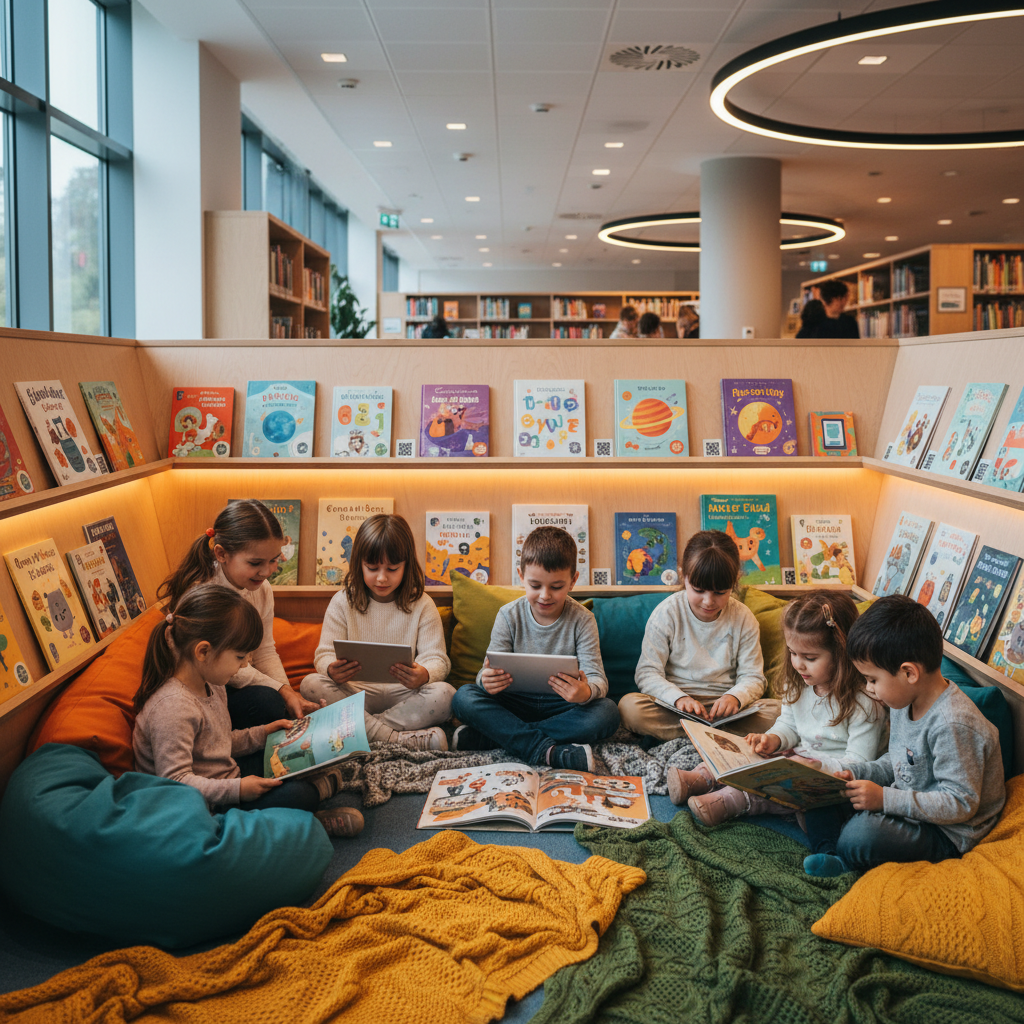
Selecting the best educational children's stories 2026 is crucial for parents and educators. In a time when children are daily exposed to digital media, high-quality educational stories offer a valuable way to combine learning and entertainment. Our comprehensive comparison shows you the most outstanding works of the current year.
What makes an educational children's story 2026 particularly valuable?
Modern educational stories for children have developed significantly in 2026. They combine traditional storytelling with contemporary learning approaches and take into account the changing needs of today's generation.
Key features of high-quality educational stories
- Age-appropriate complexity: Stories that neither overwhelm nor underestimate children
- Modern topics: Sustainability, diversity, and digital competence
- Interactive elements: QR codes for expanded content or audio versions
- Scientifically founded: Based on current learning research
- Multisensory approaches: Texts that appeal to different senses
Top 10 Best Educational Children's Stories 2026
After thorough analysis, we have identified the most outstanding works of the year. This selection is based on educational value, child feedback, and expert evaluations.
Ranks 1-3: The Top Performers
1. "The Little AI and the Big Adventure" by Dr. Maria Schmidt
This story introduces children ages 6 and up playfully to the world of artificial intelligence. With lovingly designed characters, young readers learn how technology enriches our lives and what ethical questions are connected to it.
2. "Emma's Journey Through the Climate" by Prof. Thomas Müller
An extraordinary work that makes climate change and environmental protection understandable for 7-10-year-olds. The story combines adventure with scientific facts and motivates children to take action themselves.
3. "The World in My Classroom" by Sarah Johnson
This multicultural story promotes tolerance and understanding of different cultures. Perfectly suited for ages 5-8 and particularly valuable in our globalized society 2026.
Ranks 4-6: Strong Contenders
4. "Ben and the Secret of Numbers" by Dr. Lisa Weber
Mathematics becomes an exciting adventure here. Particularly recommended for children who struggle with numbers or want to discover their enthusiasm for mathematics.
5. "The Time-Traveling Siblings" by Michael Brown
History comes alive in this series that takes children through different epochs. Ideal for 8-12-year-olds who find history boring.
6. "Lina's Laboratory of Wonders" by Dr. Anna Friedrich
Natural sciences are conveyed here in a child-friendly and experimental way. The story motivates children to conduct their own experiments and develop scientific thinking.
Ranks 7-10: Hidden Gems for Special Interests
- "The Talking Forest" by Jana Kreisig - Environmental education through fairy tales
- "Paul's Programming Adventure" by Tech Author Robin Stark - Coding for children
- "The Feelings Detectives" by Psychologist Dr. Eva Herzmann - Emotional intelligence
- "Space Willie Explores the Universe" by Astrophysicist Dr. Max Sterne - Astronomy made easy
Evaluation Criteria for Our 2026 Comparison
Our comparison test takes into account various aspects that should characterize an educational children's story 2026:
Educational Value (40%)
- Age-appropriate knowledge transfer
- Promotion of critical thinking
- Integration of current educational standards
- Lasting learning effect
Child-Friendly Presentation (30%)
- Linguistic comprehensibility
- Engaging plot
- Sympathetic characters
- Appealing illustrations
Topicality and Relevance (20%)
- Contemporary topics
- Social relevance
- Future orientation
- Technology integration
Additional Features (10%)
- Digital supplements
- Interactive elements
- Accompanying materials
- Accessibility
Trends in Educational Children's Stories 2026
The year 2026 brings exciting developments in the field of educational literature for children. Publishers and authors are responding to societal changes and new pedagogical insights.
Digital Integration
Many books now include QR codes that lead to supplementary online content. These can include audio stories, interactive games, or expanded information. Augmented reality elements make the reading experience even more immersive.
Sustainability as a Focus
Environmental topics are more important than ever in 2026. The best educational children's stories address issues such as climate change, species conservation, and sustainable living in age-appropriate ways.
Diversity and Inclusion
Modern children's stories reflect the diversity of our society. Protagonists with different cultural backgrounds, physical differences, or family situations have become the norm.
Selection Guide by Age Groups
3-5 Years: Building Foundations
For the youngest, stories with simple concepts, large pictures, and short texts are suitable. Books about numbers, colors, feelings, and basic social rules are recommended.
6-8 Years: Awakening Curiosity
This age group benefits from stories about nature, first scientific phenomena, and cultural differences. The texts can already be more complex but should still be strongly supported by illustrations.
9-12 Years: Enabling Deepening
Older elementary school children can already understand more demanding topics. Stories about technology, history, complex scientific relationships, and ethical questions are ideal.
Shopping Guide: What Parents Should Look for in 2026
When purchasing educational children's stories, various factors should be considered to make the best choice for your child.
Check Quality Criteria
- Author qualification: Are the authors experts in their field?
- Publisher reputation: Does the publisher specialize in educational literature?
- Current edition: Have the contents been revised in 2026?
- Reviews: What do other parents and educators say?
Price-to-Value Ratio
High-quality educational children's stories typically cost between 12 and 25 euros. Books with digital supplements or special features can be more expensive but often provide more value.
Conclusion: Making the Right Choice
The best educational children's stories 2026 are characterized by their successful combination of entertainment and education. They address current topics, promote critical thinking, and prepare children for future challenges.
When selecting, always consider your child's age, interests, and developmental stage. The works presented in our comparison offer suitable options for every taste and age group.
Your Next Steps
Discover the world of educational children's stories now! Visit our online shop and find the perfect books for your child. Use our detailed product reviews and age recommendations to make the best choice. Order today and support your child's development with the most outstanding educational stories 2026!