 edory
edory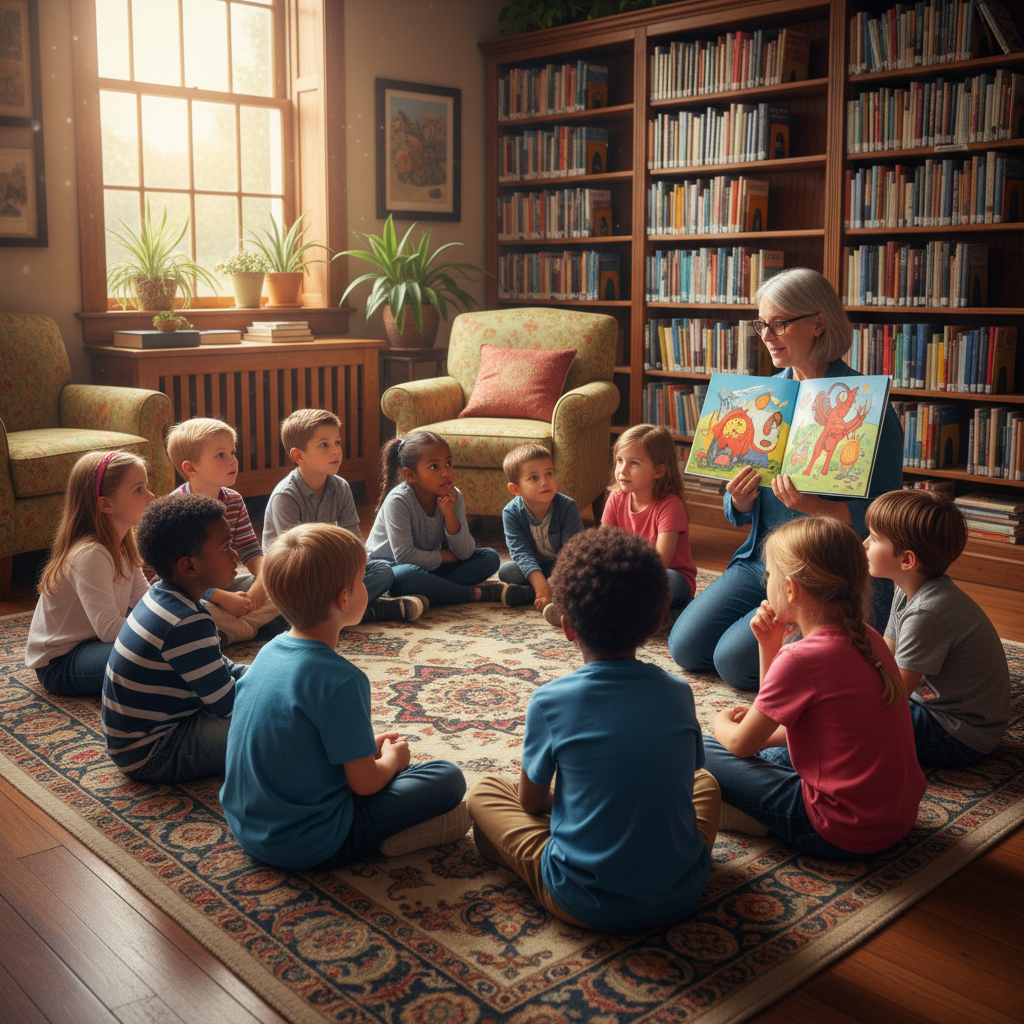
Which Children's Stories Promote Social Skills in Children?
In today's time, parents and educators face the important task of teaching children social skills. A particularly effective method is stories that not only entertain but also convey important life lessons. The question "which children's stories promote social skills" occupies many families in 2026, as awareness of emotional intelligence and interpersonal skills continues to grow.
Stories have always had the power to explain complex social situations in a way that children can understand. They provide a safe space where children can learn different perspectives, develop empathy, and internalize important values.
What are Social Skills in Children?
Social skills encompass a variety of abilities that are essential for harmonious coexistence in society. These include:
- Empathy and compassion
- Communication skills
- Conflict resolution
- Teamwork and cooperation
- Respect and tolerance
- Self-regulation
- Friendship and relationship building
These skills do not develop automatically, but must be built through targeted support and positive experiences. This is where educational children's stories come into play, serving as effective tools for developing social skills.
Proven Children's Stories for Promoting Social Skills
Classic Stories with Timeless Messages
Many traditional fairy tales and stories contain important social lessons that remain relevant in 2026. "The Rainbow Fish" by Marcus Pfister, for example, teaches children the importance of sharing and generosity. The story shows how friendship can develop when one is willing to give something of oneself.
"Frederick" by Leo Lionni is another example of a story that promotes social skills. It teaches children that everyone has individual talents and that diversity in a community is valuable. This message is particularly important in our multicultural society of 2026.
Modern Stories for Current Challenges
Contemporary children's books often address current societal topics and help children navigate the modern world. Stories about inclusion, diversity, and digital communication have become particularly relevant in 2026.
Books that show different family structures help children understand that there are many ways to be a family. Stories about children from different backgrounds promote tolerance and acceptance.
Which Children's Stories Promote Social Skills Most Effectively?
Stories About Friendship and Cooperation
Narratives that show how characters work together to solve problems are particularly valuable. They demonstrate practically how cooperation works and what benefits it brings. Through these stories, children learn that joint efforts often lead to better results than working alone.
Stories about the development and nurturing of friendships help children understand what it means to be a good friend. They show how to resolve conflicts, compromise, and be there for one another.
Narratives About Empathy and Compassion
Particularly effective are stories that illuminate different perspectives and help children put themselves in others' shoes. When a character initially appears "evil" but then their motivations are revealed, children learn not to judge too quickly.
Stories about helpfulness and caring show children how important it is to pay attention to the needs of others. They convey that small gestures of kindness can have a big impact.
Practical Tips for Parents and Educators
Making the Right Selection
When selecting stories to promote social skills, parents and educators should pay attention to the following aspects:
- Age-appropriate content and language
- Positive role models and characters
- Realistic conflict situations
- Constructive solutions
- Diversity in characters and situations
Making Stories Interactive
To maximize the effectiveness of stories, they should not only be read aloud but also discussed. Questions like "How would the character have felt?" or "What would you have done in this situation?" stimulate reflection and deepen understanding.
Role-playing and reenacting stories help children internalize what they have learned. In 2026, many families also use digital tools such as interactive e-books or story apps that offer additional learning opportunities.
The Role of Technology in Modern Children's Stories
Digital Stories and Social Skills
In 2026, digital media have established themselves as a valuable complement to traditional books. Interactive story apps allow children to make decisions and experience their consequences. This promotes understanding of cause-and-effect relationships and the development of decision-making skills.
Augmented Reality (AR) books bring stories to life and create immersive experiences that strengthen learning. Children can interact with characters and play through various social scenarios.
Balance Between Digital and Analog
Despite technological advances, reading stories together and discussing them remains an indispensable part of social development. The personal interaction of reading aloud provides opportunities for spontaneous conversations and emotional connections that digital media cannot fully replace.
Measuring Success: How Do I Recognize Progress?
The development of social skills is a long-term process whose progress can sometimes be difficult to measure. However, parents and educators can watch for the following signs:
- Improved communication with peers
- Increased empathy in everyday situations
- Better conflict resolution skills
- Spontaneous willingness to help
- Understanding of different perspectives
Regular conversations about the stories read and their application in everyday life provide insight into how well the values conveyed have been understood and internalized.
Future Outlook: Social Skills in a Changing World
As our society continues to evolve, the stories we tell our children must also keep pace with the times. In 2026, topics such as global networking, environmental awareness, and digital citizenship are at the center of many new children's stories.
However, the fundamental principles of social skills – empathy, respect, communication, and cooperation – remain timeless. Stories that convey these values will continue to be an important tool for child development in the future.
Would you like to learn more about how you can support your child's social development through targeted story selection? Contact us for personal advice on educational children's stories tailored to your child's needs. Together we will find the right stories that not only entertain but also convey important life lessons and sustainably strengthen social skills.