 edory
edory
Almost 65 percent of parents in Germany wish for targeted support to strengthen their children's self-confidence. Especially in preschool age, children experience intense feelings and ask many questions about themselves and their environment. Encouraging stories offer a valuable opportunity to process personal experiences playfully and foster imagination sustainably. The following insight shows how specially designed narratives can inspire emotional development and everyday learning moments.
Table of Contents
- What are Encouraging Stories for Children?
- Central Features and Design Principles
- Known Variants and Popular Story Worlds
- How Encouraging Stories Promote Self-Confidence
- Tips for Safe Selection and Personalization
Key Insights
| Point | Details |
|---|---|
| Encouraging stories strengthen self-confidence | They help children master challenges and develop emotional resilience. |
| Age-appropriate themes and structures | Stories should be adapted to children's emotional development stages and be understandable. |
| Importance of identification | Children identify with protagonists, which enables them to develop their own coping strategies. |
| Personalization is crucial | Individual adaptation of stories promotes emotional effectiveness and the child's understanding. |
What are Encouraging Stories for Children?
Encouraging stories are special narratives specifically designed to provide children with self-confidence and emotional resilience. They differ from conventional fairy tales through their psychologically supportive approach. In these stories, protagonists are at the center, mastering challenges, overcoming fears, and growing through their inner strength.
The core of an encouraging story lies in its ability to convey complex emotional situations in an age-appropriate and understandable way. Children can identify with the main characters and learn to understand and manage difficult feelings. Fantasy stories play a crucial role by creating a safe space for emotional learning.
These special stories have several characteristic features: They show protagonists who actively tackle challenges, view mistakes as learning opportunities, and don't give up despite setbacks. The narratives convey important messages such as self-acceptance, courage, and the importance of perseverance. They help children develop a positive self-image and gain confidence in their own abilities.
Pro Tip: Choose encouraging stories that address your child's individual feelings and experiences and show them that feelings like fear or insecurity are normal and can be overcome.
Central Features and Design Principles
Encouraging stories follow precise design principles that ensure their emotional and educational impact. Child-friendly text structures form the foundation for conveying complex emotional worlds in an understandable way. They are characterized by clear, transparent narrative structures that help children understand and process emotional connections.
The central design principles include several essential aspects. These include life-like and concise texts that prepare difficult topics such as fears, conflicts, or changes in an age-appropriate manner. Illustrations and colors play a crucial role in making the stories lively and inviting. Narratives with encouraging story progressions convey important social competencies such as empathy, self-confidence, and problem-solving skills.
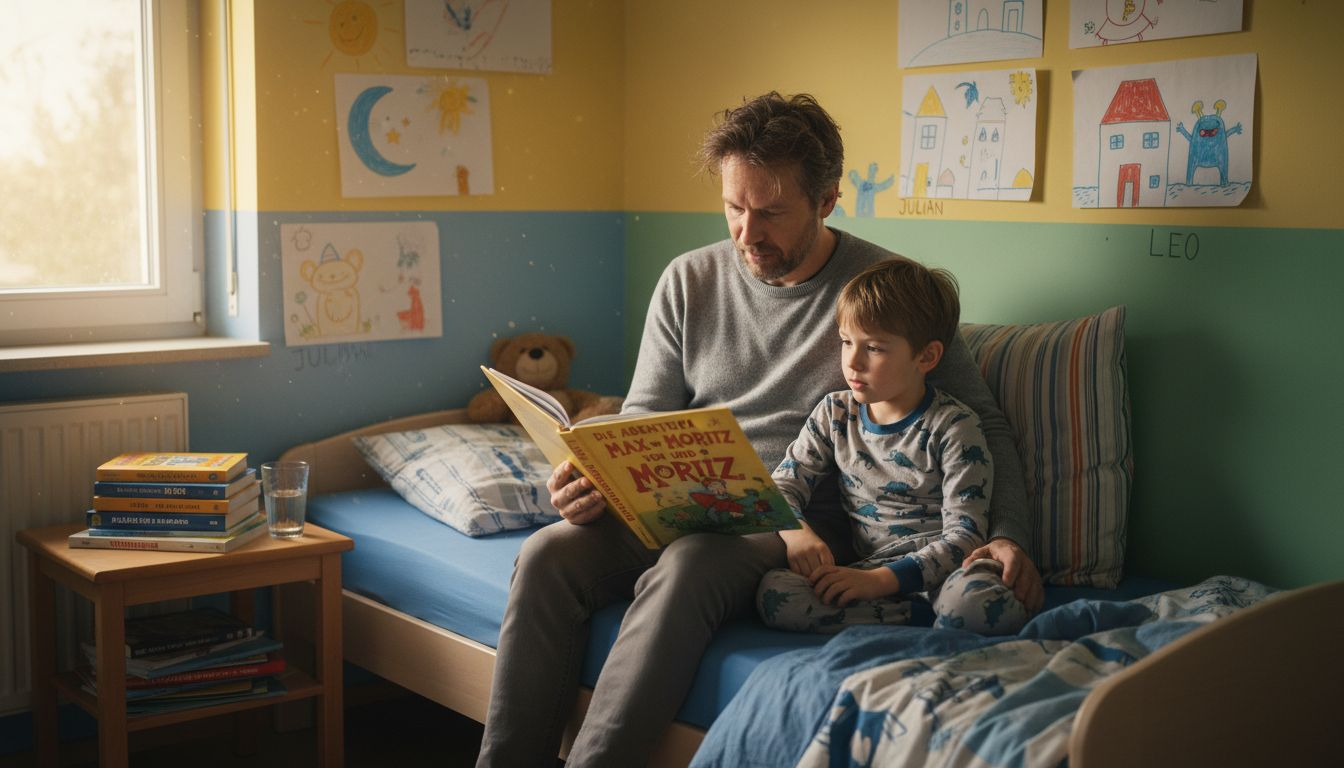
Another important feature is the integration of discussion prompts and creative elements. These invite parents and caregivers to reflect on the story together with children, discuss feelings, and exchange individual experiences. The stories are deliberately designed to be accessible to children at different developmental stages and learning types.
Pro Tip: When selecting encouraging stories, make sure the texts are age-appropriate, emotionally supportive, and designed interactively.
Known Variants and Popular Story Worlds
Encouraging stories encompass an impressively diverse range of narrative forms and themes. The most popular variants range from picture books to more complex fantasy stories that specifically address different emotional development phases of children. These stories are designed to emotionally support and accompany children in their specific life situations.
The thematic range of encouraging stories is extremely broad and includes central life experiences such as fear, friendship, being different, first days of school, and grief processing. Each variant aims to provide children with orientation and emotional tools. Particularly effective are narratives that translate complex feelings into child-friendly language and show coping strategies.
While adventure stories demonstrate courage and perseverance, non-fiction stories offer realistic insights into different life situations. Personalized narratives have a special appeal because they are tailored directly to the individual experiences and challenges of each child. Stories from different cultural circles can additionally promote broadening horizons and empathy.
The following table provides an overview of the most well-known variants of encouraging stories and their particular strengths:
| Variant of Encouraging Story | Age Recommendation | Main Benefit for the Child | Typical Topics |
|---|---|---|---|
| Picture Book | 3-7 years | Emotional Orientation | Fear, Friendship |
| Fantasy Story | 6-12 years | Fostering Creativity | Being Different, Courage |
| Non-Fiction Story | 8-12 years | Realistic Problem-Solving | Change, Family |
| Personalized Narrative | From 4 years | Individual Identification | Current Challenges |
Pro Tip: Choose encouraging stories that consider your child's individual needs and developmental phases and are emotionally engaging.
How Encouraging Stories Promote Self-Confidence
Encouraging stories are more than just simple entertainment – they are powerful educational tools for strengthening children's resilience. Developmentally supportive stories assist children in coping with emotional challenges by making complex emotional worlds accessible and understandable.
The mechanism of self-confidence promotion is based on several psychological principles. Children identify with protagonists who master difficulties, overcome fears, and continue fighting despite obstacles. This identification enables them to develop and internalize their own coping strategies. Storytelling competencies are built playfully, allowing children to learn to reflect on and regulate their own feelings.
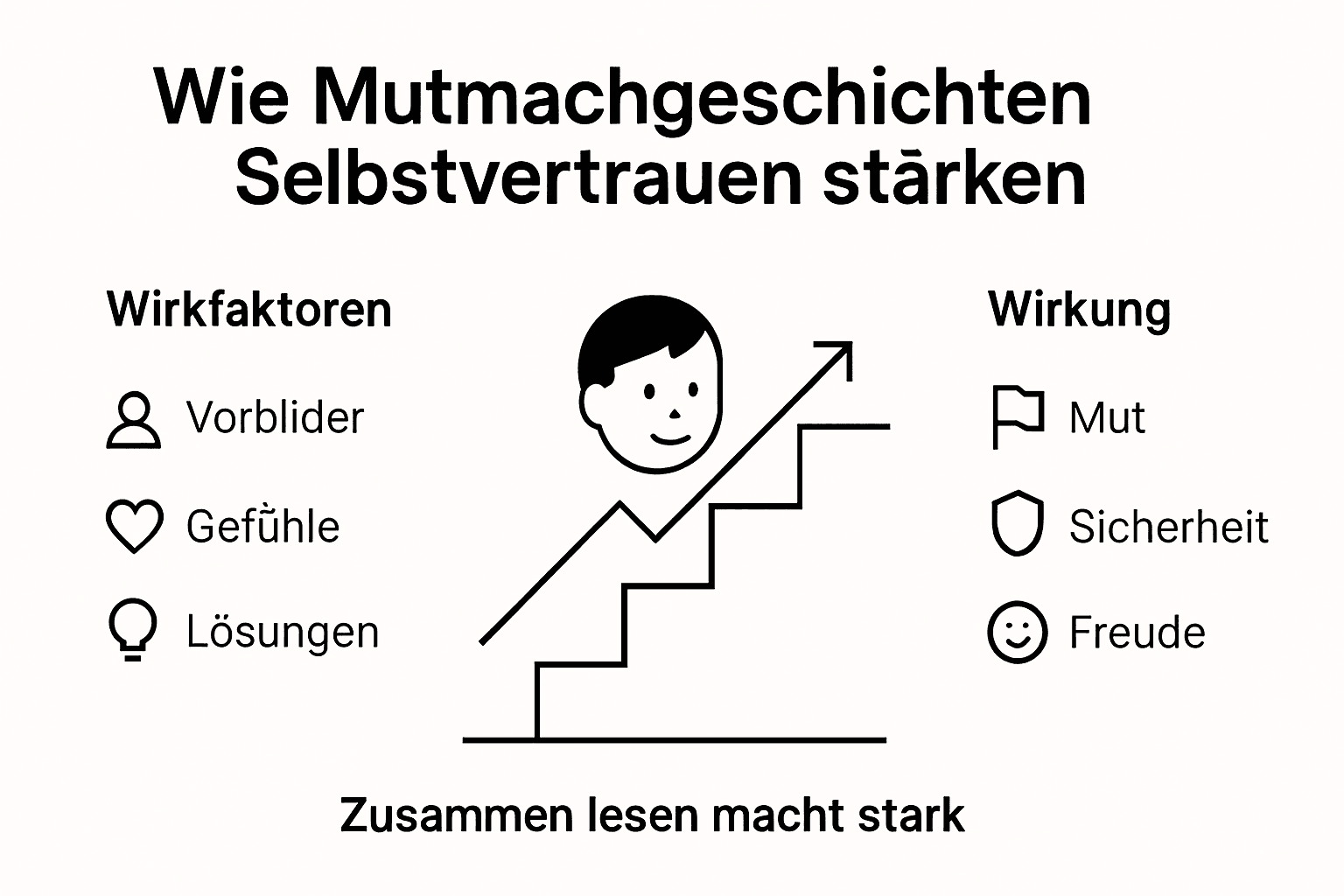
The narrative structure of such stories is crucial: it shows protagonists who view insecurities not as weakness but as an opportunity for development. By mirroring these experiences, children learn to see challenges as manageable tasks. The stories convey central messages such as self-acceptance, courage to be vulnerable, and the importance of perseverance.
Pro Tip: Read encouraging stories together with your child and encourage them to talk about the feelings and experiences of the protagonists.
Tips for Safe Selection and Personalization
The selection and personalization of encouraging stories requires a careful and empathetic approach. Modern approaches focus on individual stories tailored precisely to the child's needs to achieve maximum emotional effectiveness.
In personalization, there are several central dimensions to consider. Important are not only the child's name but also their individual interests, developmental stages, and current emotional challenges. Creative personalized approaches can make children's stories particularly effective by conveying to the child a sense of significance and being understood.
Safe selection includes various criteria: age appropriateness, emotional depth, positive messages, and a developmentally supportive narrative structure. It is also important that the story leaves room for conversation and reflection. Parents should ensure that encouraging stories present challenges realistically but hopefully and do not suggest exaggerated or unrealistic solutions.
Here is an overview of the central criteria for safe selection and personalization of encouraging stories:
| Selection Criterion | Significance for the Child | Tip for Parents |
|---|---|---|
| Age Appropriateness | Adaptation to developmental stage | Choose appropriate language level |
| Emotional Depth | Promote understanding of feelings | Prefer honest stories |
| Positive Message | Building self-confidence | Hope, but realistic |
| Interactive Elements | Promote communication | Create space for conversations |
Pro Tip: Have a brief conversation with your child about their current feelings and experiences before reading to optimally select and contextualize the story.
Discover Encouraging Stories for Your Child – Tailor-Made and New Every Day
Encouraging stories help children develop self-confidence and overcome fears in a child-friendly way. These special narratives strengthen emotional resilience and promote the ability to face challenges with courage. If you're looking for stories that individually address your child's needs and developmental phases, you'll find exactly that at Edory AI.
Our innovative platform uses artificial intelligence to generate new, personalized stories daily that not only entertain but also support. This way, you and your child can playfully build emotional competencies together and promote self-assurance.
Start now with inspiring narratives from the category Uncategorized – Edory AI – Educational Children's Stories and experience how individually designed stories make a difference. Visit Edory AI today and give your child the chance for an encouraging and exciting journey full of fantasy and strength.
Frequently Asked Questions
What Topics are Covered in Encouraging Stories?
Encouraging stories cover a broad spectrum of topics, including fear, friendship, being different, first days of school, and grief processing. They provide children with emotional orientation in various life situations.
How Do Encouraging Stories Help Strengthen Children's Self-Confidence?
Encouraging stories promote self-confidence by connecting children with protagonists who master challenges and overcome fears. This enables identification and the development of their own coping strategies.
What Features Characterize a Good Encouraging Story?
A good encouraging story should be age-appropriate, possess emotional depth, convey positive messages, and contain interactive elements that provide space for conversation and reflection.
How Can I Personalize Encouraging Stories?
You can personalize encouraging stories by incorporating the child's name, their interests, and current emotional challenges into the narrative. This conveys to the child a sense of significance and identification.
Recommendation
- Stories Against Fear: Understanding for Parents and Children – Edory AI – Educational Children's Stories
- Storytelling for Parents: Understanding and Experiencing – Edory AI – Educational Children's Stories
- Apply Child-Friendly Storytelling Methods Step by Step – Edory AI – Educational Children's Stories