 edory
edory
Every child has favorite topics and role models. These small details make a big difference in children's book success. But hardly anyone knows that a simple notebook with observations can provide hundreds of ideas. This is not a secret, but an underestimated method. Those who recognize interests early find it easier to discover the perfect children's book name and awaken genuine reading enthusiasm.
Table of Contents
- Step 1: Analyze Your Child's Interests
- Step 2: Study Popular Children's Book Names
- Step 3: Brainstorm Creative Name Ideas
- Step 4: Test the Names with Your Child
- Step 5: Choose the Best Children's Book Name
Quick Overview
| Important Point | Explanation |
|---|---|
| 1. Analyze Your Child's Interests | Pay attention to which topics excite your child and note them down. The foundations for the story are derived from these. |
| 2. Use Classic Literature for Name Finding | Study well-known children's book names and their emotional sound; this inspires the selection of a memorable name. |
| 3. Creative Brainstorming Process | Create a positive and inspiring environment to develop many name ideas that fit your child. |
| 4. Test Names with Your Child | Involve your child in the name-finding process and observe their reactions; it helps to select the perfect name. |
| 5. Develop a Systematic Selection Process | Establish clear criteria for name selection and review them to make an informed decision. |
Step 1: Analyze Your Child's Interests
When developing a children's book, the first and crucial step is understanding your child's individual interests. Every child has a unique personality and preferences that form the key to a captivating story. This step is not just important—it is absolutely fundamental for creating a book that will truly excite your child.
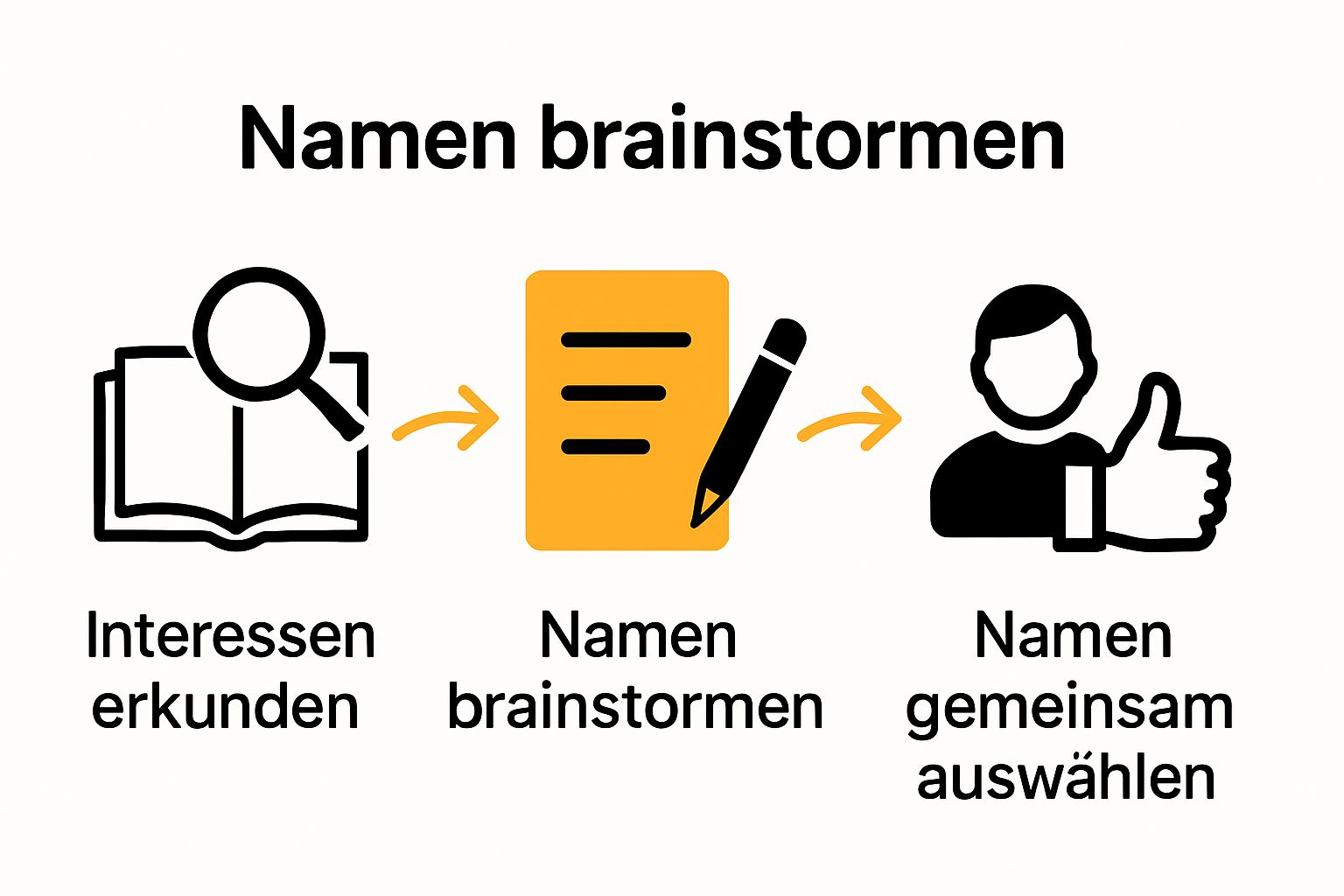
Observe your child carefully in various situations. Pay attention to which topics make their eyes light up and which stories or scenarios hold their attention particularly long. Keep a small notebook in which you record your observations. Note situations where your child becomes especially lively: Perhaps they love stories about brave animals, magical worlds, space adventures, or everyday stories with children their age.
Also speak directly with your child. Ask about favorite topics, favorite heroes, or stories they particularly enjoy. Children are often very direct and honest about their preferences. A conversation can provide valuable insights. Pay attention to reactions to books, films, or stories—nonverbal signals such as enthusiasm, concentration, or boredom are important clues.
Other sources of information can include recommendations from educators, teachers, or other parents. Read more about child-friendly storytelling techniques to understand which narrative structures particularly appeal to children. Always keep in mind your child's individual personality and developmental stage.
By the end of this step, you should have a clear picture of your child's interests. A successful completion means you have identified at least three to four specific topics or genres that particularly fascinate your child. These insights form the foundation for further development of your personalized children's book.
Step 2: Study Popular Children's Book Names
Now that you have identified your child's interests, the exciting process of name research for your story begins. The act of naming is more than just a simple label—it is the first creative element that brings your story to life. A well-chosen name can define the entire dynamic and appeal of a children's book character.
Classic literature is an excellent source of inspiration. Immerse yourself in the world of well-known children's books and analyze naming conventions. Names like Michael from Lönneberga, Pippi Longstocking, or Benjamin Blümchen have won hearts across generations. These character names did not arise by chance, but were thoughtfully and deliberately chosen. Pay attention to the sound, meaning, and emotional resonance that a name evokes.
Discover creative storytelling techniques for your name research. Use various resources: children's book publishers, literature forums, and reading recommendations can provide valuable insights. Observe which names particularly appeal to children and what associations they evoke. A name should be easy to pronounce, memorable, and age-appropriate.
When selecting names, there are some important criteria to consider. The name should fit the character, tell a story, and spark curiosity. A good children's book character name should have multiple dimensions: it should fit the age of your target audience, have a positive aura, and at the same time reflect the character's personality. Avoid complicated or difficult-to-pronounce names that could confuse children.
By the end of this step, you should have a list of at least 5-10 potential names that reflect your research and your child's sensibilities. Each name on this list should tell a small story of its own and have the potential to come alive and grow in your child's imagination.
Step 3: Brainstorm Creative Name Ideas
The brainstorming process is the magical moment when creativity and imagination unite to create unique character names. This step goes far beyond simple name searching—it is a creative act of character creation where you let your imagination run free.
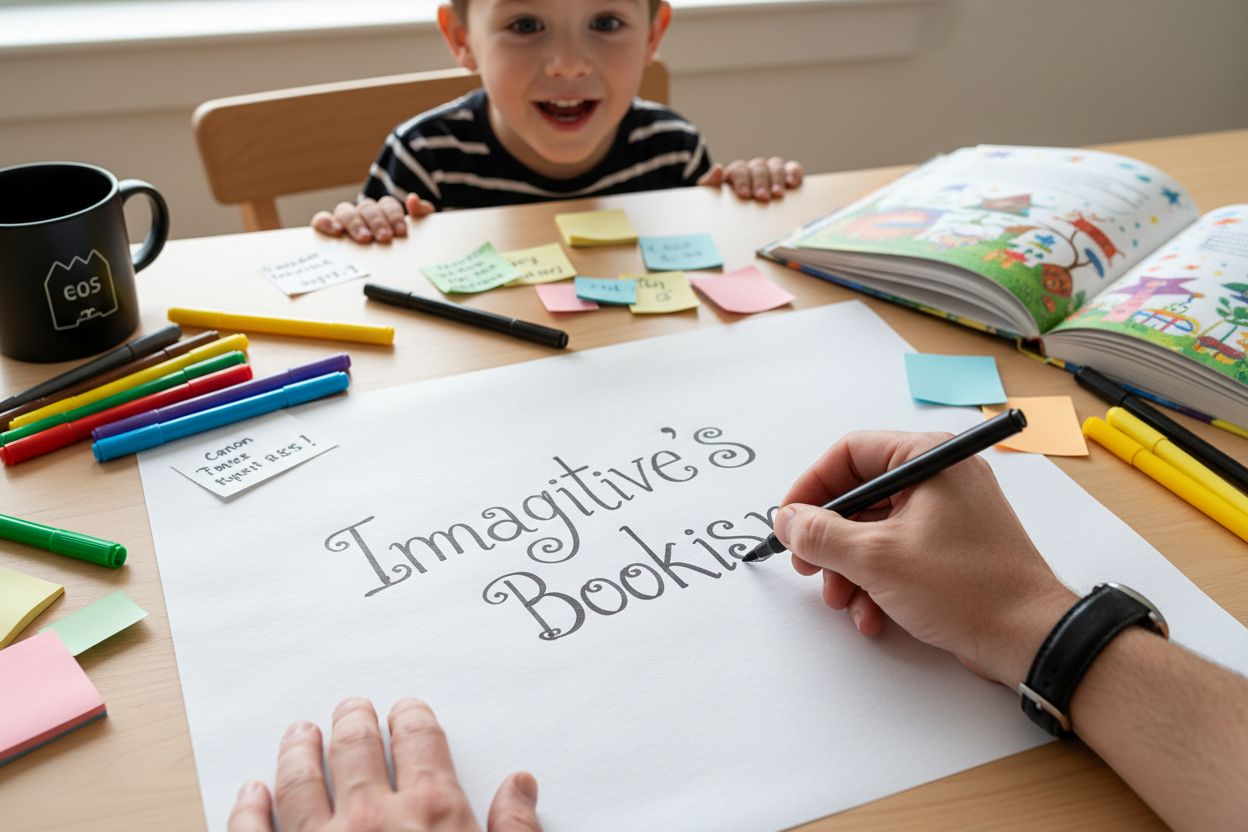
Create an inspiring brainstorming atmosphere. Choose a quiet, relaxed place where you can be creative without interruption. Prepare a large sheet of paper, colorful markers, and perhaps a cup of tea. Discover creative storytelling techniques that can inspire your name-finding process. Start with association games: connect your child's interests with possible character traits.
Use various techniques for your name search. Combine words in unexpected ways, play with sounds and syllables. A name like "Sparklestar" could be perfect for a child who loves space. For nature-loving children, names like "Woodwalker" or "Flowerwhisperer" could be fascinating. Let yourself be inspired by mythology, fairy tales, and personal family stories. Sometimes the best names are hidden in memories or old family tales.
Make sure to pronounce the names aloud. A good name must not only be written, but also sound wonderful when read aloud. It should roll easily off the tongue, have rhythm, and tell a story. Avoid overly complicated constructions that could confuse children. The name should spark curiosity and inspire imagination.
By the end of this step, you should have at least 10-15 potential names that cover different aspects and moods. Rate each name according to criteria such as memorability, sound, and emotional resonance. A successful brainstorming process means you have a list where at least three names excite both your child and you. The best names emerge when creativity meets children's imagination.
Step 4: Test the Names with Your Child
The moment of truth has arrived—your child becomes the most important critic and inspiration for the name selection. This step is crucial because ultimately it's about finding a name that not only appeals to you but also sparks your child's imagination.
Create a playful testing situation. Prepare the name selection like a little adventure. Discover playful learning methods to make the process entertaining. Do not present the names like an interrogation, but as a shared creative experiment. Read the names aloud, vary your tone, and carefully observe your child's reactions.
Pay attention to subtle and obvious reactions. A gleaming eye, spontaneous laughter, or concentrated thinking are important clues. Ask open-ended questions like "What do you think about this name?" or "Can you imagine playing with this character?" Avoid leading questions that only allow for yes or no answers. Nonverbal communication is often more revealing than words. Observe body language, facial expression, and spontaneous comments.
Allow your child active participation in the process. Sometimes a child suggests completely unexpected but brilliant name modifications. Perhaps they want to change a letter or connect the name with a funny story. These moments are gold and show how deep children's creativity can be. Be open to surprises and leave room for childlike impulses.
By the end of this step, you should have two to three names that satisfy both your ideas and your child's enthusiasm. A successful name test shows itself in the fact that the name is spontaneously repeated, stories emerge around it, and your child visibly reacts with joy and curiosity. The perfect name is more than just a label—it is the key to a shared fantasy journey.
Step 5: Choose the Best Children's Book Name
After the previous steps of research, creativity, and coordination with your child, the final decision is now at hand—selecting the perfect name for your children's book character. This moment is more than just naming; it is the starting point of a new hero's journey in your child's fantasy world.
Develop a systematic selection process. Establish clear evaluation criteria. An outstanding children's book character name should meet several aspects: memorability, emotional resonance, age-appropriateness, and the ability to inspire stories. Discover inspiring children's book storytelling techniques that can help you with name selection. Create a sort of rating scale where you evaluate each name according to different perspectives.
Consider the multilayered aspects of a name. A good name is like a small poem—it not only sounds good but also carries a story within it. Make sure the name evokes associations that match your child's interests. A name for a nature-loving child might sound different than one for a tech-savvy child. Avoid names that are too complicated or difficult to pronounce.
Take time for the final decision. Say the finalists aloud several times, place them in different contexts and imaginary story situations. Trust your intuitive connection. Sometimes it is less a rational decision and more a feeling that this one name is perfect. Listen to your child's reactions and your own inner voice.
By the end of this step, you should have chosen a name that not only meets all technical criteria but also creates an emotional connection. A successful selection process shows itself in the fact that the name gains more charm with each repetition, begins to inspire stories, and brings a gleam to the eyes of both you and your child.
The following overview table summarizes the most important evaluation criteria for the ideal children's book name to assist in the selection process.
| Criterion | Description |
|---|---|
| Memorability | The name should be easy to remember and pronounce. |
| Emotional Resonance | The name must evoke positive feelings or imagination in the child. |
| Age-Appropriateness | The name should match the child's developmental stage and age. |
| Story Fit | The name reflects the theme, genre, and main character. |
| Easy Pronunciation | Difficult or cumbersome names should be avoided. |
| Curiosity-Inspiring | The name should spark interest and provide reason for new stories. |
| Personal Connection | You and your child have an emotional bond to this name. |
Discover Easy Name Finding and Personalized Stories with Edory
Many parents face the same obstacles when finding the perfect children's book name: How do you match your own child's taste? How do you create truly individual and contemporary names that are fun and promote learning? The step-by-step guide in your article shows how important it is to involve your child's imagination and interests while using creative techniques and playful tests. However, it often remains challenging to quickly and easily transform all these insights into your own story. This is exactly where Edory comes in. Our platform understands the needs of modern families and takes personalized name searching and storytelling to a new level. Make a smart choice and benefit from educational children's stories that are fresh every day, informative, and individually tailored to your child's preferences every day. Learn more in the section on educational children's stories.
Make a difference today and accompany your child on a unique reading journey. With Edory, you create personalized stories—safe, imaginative, and right on your smartphone. Start now and effortlessly transform ideas from theory into magical moments for reading aloud.
Frequently Asked Questions
How do I find my child's interests for a children's book?
Observe your child in various situations and note which topics fascinate them. Speak directly with your child about their favorite topics and pay attention to nonverbal signals when they respond to stories.