 edory
edory
More than 60 percent of parents report that classic children's books often convey stereotypical gender roles. Especially in early childhood, stories are crucial for understanding diversity and respect. Anyone who wants to give their child an open start in life will discover new perspectives and strong role models in gender-sensitive children's literature that go beyond old patterns.
Table of Contents
- Gender-Sensitive Children's Literature and Its Basic Principles
- Different Types of Gender-Sensitive Stories
- Important Features and Positive Effects
- Criteria for Selecting Suitable Books
- Avoiding Common Implementation Mistakes
Key Findings
| Point | Details |
|---|---|
| Importance of Gender-Sensitive Literature | Gender-sensitive children's literature promotes respectful perspectives on gender identities and social diversity. |
| Diverse Characters | Stories should feature protagonists who don't fit into stereotypical gender roles to enable individual identities. |
| Inclusive Language | The use of inclusive language contributes to the perception of different gender identities and promotes equal participation. |
| Avoiding Clichés | Stories should consciously break gender stereotypes and address complex topics in an age-appropriate manner. |
Gender-Sensitive Children's Literature and Its Basic Principles
Gender-sensitive children's literature is an important approach to conveying an open and respectful perspective on gender identities and social diversity to preschoolers from the start. This literary approach aims to critically question traditional role patterns and present children with alternative concepts of life and identity.
The basic principles of gender-sensitive children's literature are based on several central elements. It seeks to break down stereotypical gender images by depicting protagonists and characters beyond traditional norms. Concretely, this means: girls can also be strong heroines who experience adventures, and boys are allowed to show emotions and take on caring roles. The stories convey that there is not just one right way to be male or female.
Another important feature is language. Gender-sensitive literature avoids gender-specific clichés and uses more inclusive language. It takes into account different gender identities and aims to enable all learners to participate equally. Specifically, this means creating protagonists who don't find themselves reflected in binary gender roles, but instead present individual life designs.
Pro Tip: When selecting children's books, pay attention to choosing stories that show diversity and individual character development beyond traditional gender roles.
The following is a comparison of gender-sensitive versus traditional children's literature:
| Aspect | Gender-Sensitive Children's Literature | Traditional Children's Literature |
|---|---|---|
| Role Models | Diverse and open | Usually stereotypical and fixed |
| Depiction of Families | Different lifestyle models and identities | Classical family image predominates |
| Language Use | Inclusive and sensitive phrasing | Gender-specific terminology |
| Promoting Empathy | Strengthens empathy and reflection | Focus often on classical narrative |
Different Types of Gender-Sensitive Stories
Gender-sensitive stories for preschoolers encompass various creative approaches to promote diversity and individual identities. These narratives question traditional gender roles and present alternative life designs that give children an expanded perspective on gender identities.
An important category is stories that depict protagonists beyond stereotypical expectations. Here you will find heroines who experience adventures, caring boys, and characters who don't see themselves reflected in binary gender roles. Such narrative patterns range from classic hero stories to emotionally more complex depictions that actively reflect existing role models.
The different types of gender-sensitive stories can be roughly divided into the following categories:
- Stories that deliberately deconstruct gender roles
- Narratives with diverse and intersectional characters
- Narratives that show emotional diversity beyond traditional gender clichés
- Books that present different family models and life designs
Pro Tip: When reading aloud, specifically search for books that show characters with different personalities and abilities regardless of their gender.
Important Features and Positive Effects
Gender-sensitive children's literature is characterized by central features that go far beyond traditional narrative forms. It actively promotes the development of empathy and critical reflection by addressing diverse gender identities.
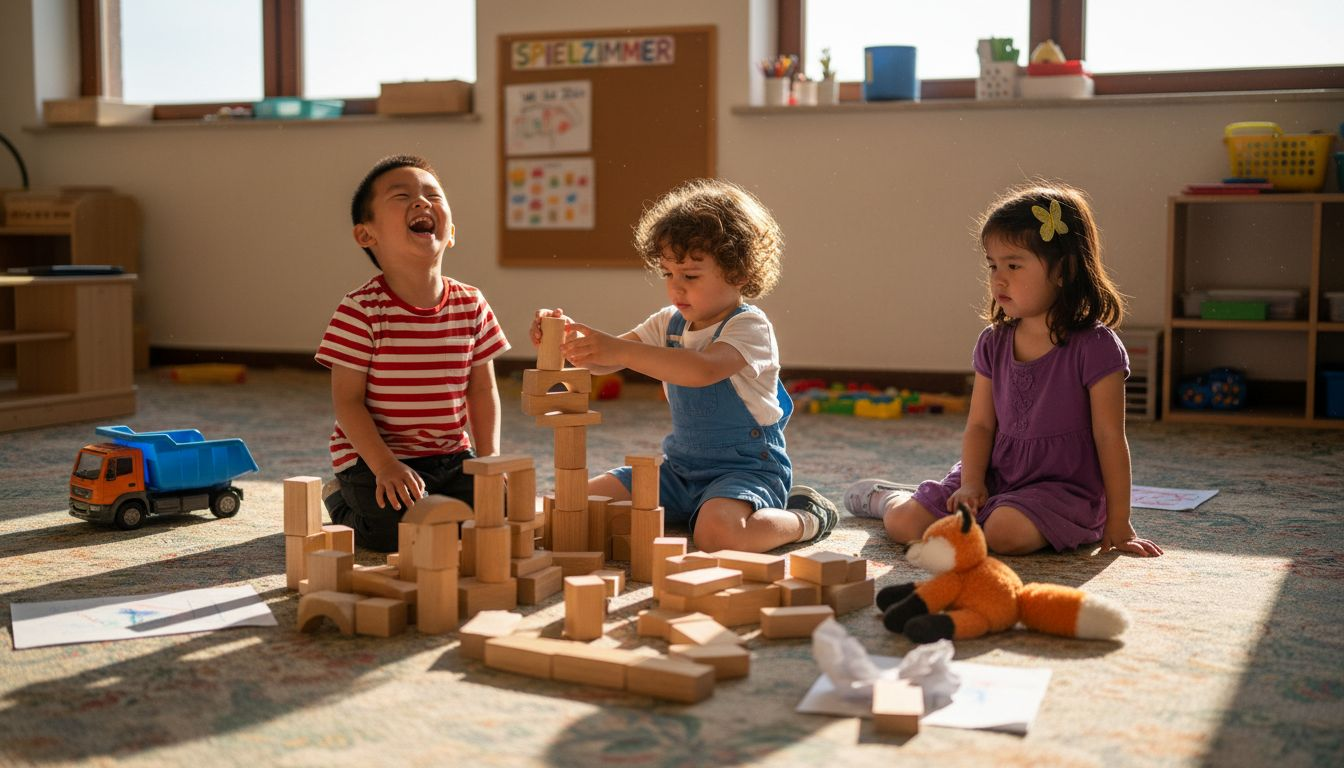
The positive effects of this form of literature are diverse and profound. Through these stories, children learn to break down prejudices and perceive people beyond traditional role expectations. Particularly in boys, there is increased reading motivation and improved emotional intelligence when they can identify with diverse characters.
Important features of gender-sensitive children's literature include:
- Avoidance of gender stereotypes
- Depiction of diverse characters and life designs
- Promotion of empathy and understanding
- Encouragement of individual identity development
- Language that includes all gender identities
The impact of such literature extends far beyond simply reading aloud. It creates a space for conversations, reflection, and learning social skills that will accompany children throughout their lives.
Pro Tip: After reading gender-sensitive stories, have brief conversations with your children about the characters and their individual strengths.
Here is an overview of the positive effects of gender-sensitive stories:
| Effect | Description | Everyday Example |
|---|---|---|
| Breaking Down Prejudices | Children learn tolerance toward diversity | Friendship with children of different identities |
| Increased Reading Motivation | Identification with diverse characters | Children read more frequently and engagedly |
| Promotion of Social Competence | Conversations about feelings and individuality | Open conversations in the family |
Criteria for Selecting Suitable Books
When selecting gender-sensitive children's literature, there are decisive criteria that parents should consider. The diversity of characters in terms of gender, origin, and life situations is at the center, in order to provide children with a comprehensive and inclusive perspective.
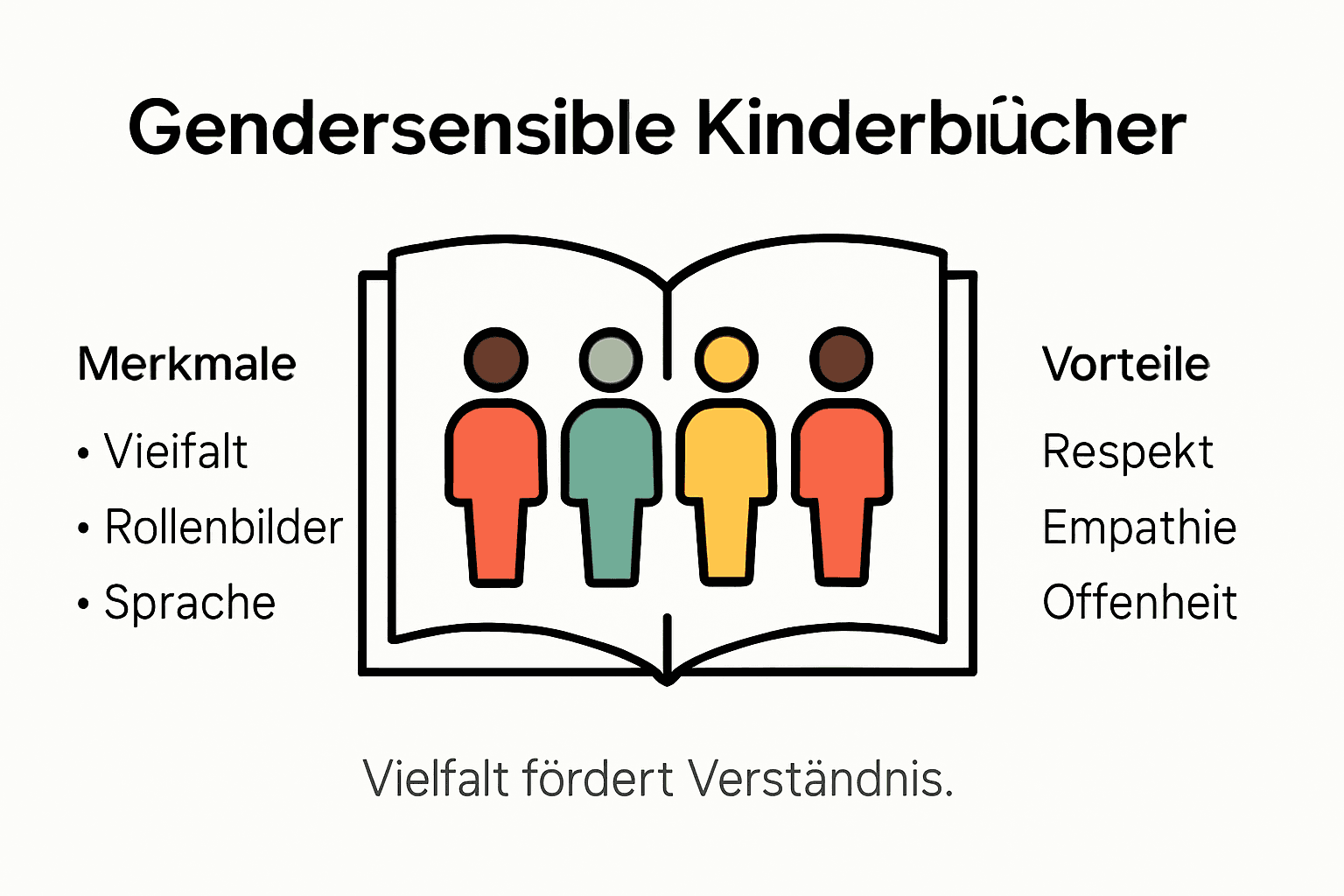
A central selection criterion is the absence of gender stereotypes. Stories should depict characters who act beyond traditional role images - girls as brave heroines, boys as empathetic and caring persons. It is important that books are linguistically inclusive and address topics in an age-appropriate and sensitive manner.
Important selection criteria for gender-sensitive children's books:
- Diverse and authentic character depictions
- Respectful representation of different identities
- Language that includes all genders
- Stories that consciously question clichés
- Age-appropriate treatment of complex topics
Pro Tip: Before purchasing, deliberately flip through the book and pay attention to whether the characters are depicted as diverse and beyond stereotypes.
Avoiding Common Implementation Mistakes
In the implementation of gender-sensitive children's literature, there are numerous pitfalls that can unintentionally undermine the pedagogical approach. A common mistake is repeating or reinforcing gender stereotypes instead of actually dissolving them.
Another challenge is not to oversimplify gender issues or present them in a prescriptive manner. Focusing exclusively on gender differences without considering other social factors can significantly diminish the pedagogical effectiveness of the literature.
The most critical mistakes in implementation include:
- Excessive simplification of gender issues
- Reduction to binary gender categories
- Ignoring diversity within the target group
- Overloading with political messages
- Lack of reflection on one's own prejudices
Pro Tip: Critically examine children's books for hidden stereotypes and ensure that characters are depicted individually and multi-faceted.
Discovering Gender-Sensitive Stories for a Diverse Children's World
The challenge is clear: how can parents show their children a world without entrenched gender roles from the very beginning and convey empathy and openness to them through literature? Gender-sensitive children's literature takes exactly this path and deliberately breaks traditional clichés. In doing so, it is important to find stories that lovingly depict diverse characters and life designs and thus promote the individual identity development of children.
With Edory.ai, you can shape this exciting journey easily. Our innovative and personalized platform enables parents to generate new children's stories every day based on their children's interests and age groups. In this way, you promote inclusive values through playful ease and simultaneously ensure entertaining reading moments. Convince yourself how easy it is to use gender-sensitive and diverse stories while reading aloud – also discover our Uncategorized – Edory AI – Educational Children's Stories and get started today.
Take the opportunity and actively shape your children's literary world. Visit Edory.ai now and experience how diverse and individual narratives become a permanent part of your family time.
Frequently Asked Questions
What is gender-sensitive children's literature?
Gender-sensitive children's literature is an approach aimed at conveying an open and respectful perspective on gender identities and social diversity to preschoolers from the start. It questions traditional role patterns and presents children with alternative concepts of life and identity.
What features characterize gender-sensitive children's literature?
Important features are the avoidance of gender stereotypes, the depiction of diverse characters and life designs, and the promotion of empathy and understanding for all gender identities.
How can gender-sensitive children's literature promote children's reading motivation?
Children who can identify with diverse characters often show increased reading motivation and a stronger interest in reading. By identifying with different characters, children feel encouraged to read more.
What criteria should parents consider when selecting gender-sensitive books?
Parents should pay attention to diverse and authentic character depictions, respectful representation of different identities, and inclusive language. Additionally, the stories should consciously question clichés and address topics in an age-appropriate manner.
Recommendation
- Diversity in Children's Books: Variety for Families Explained Simply – Edory AI – Educational Children's Stories
- Selecting Age-Appropriate Stories: A Guide for Parents – Edory AI – Educational Children's Stories
- 7 Perfect Children's Books for Bedtime for Sweet Dreams – Edory AI – Educational Children's Stories
- Stories from Around the World: Exciting Tales for Children and Families – Edory AI – Educational Children's Stories