 edory
edory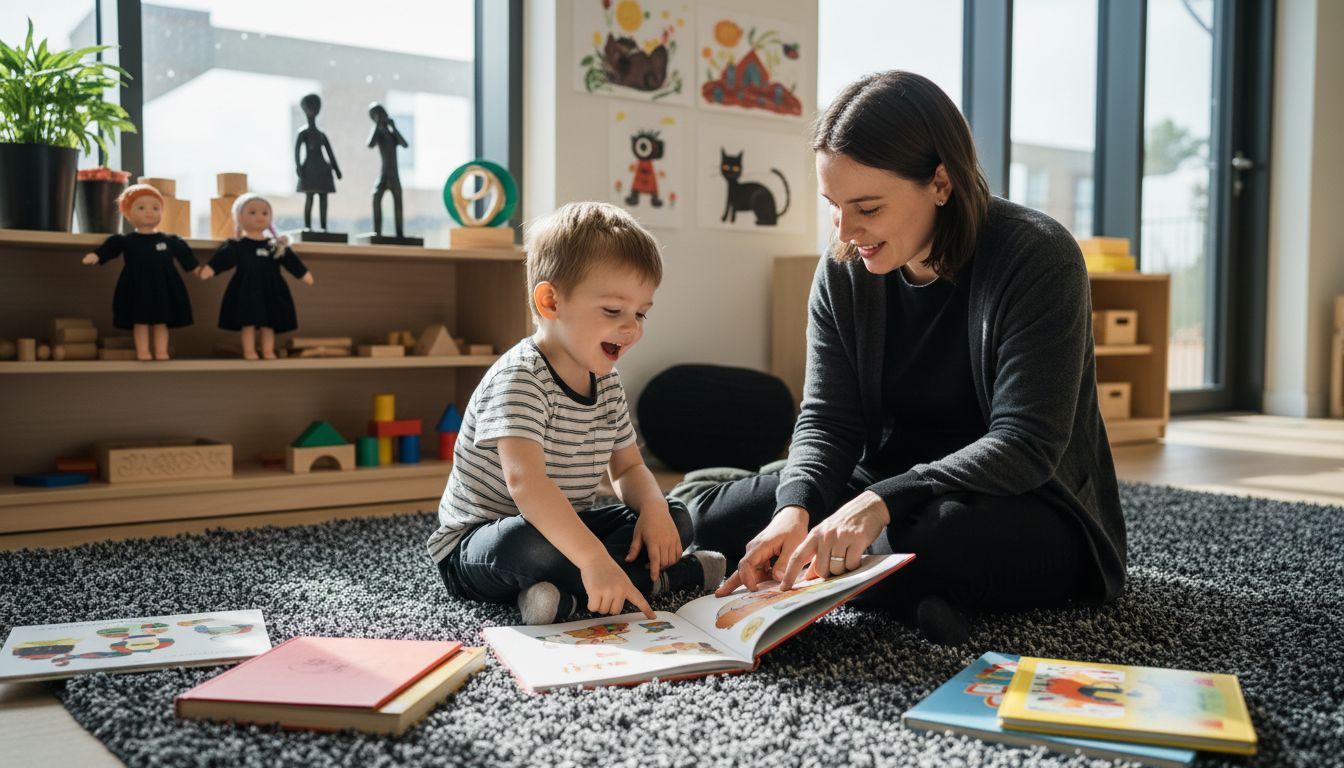
Over 60 percent of children develop their vocabulary significantly faster through regularly told stories. Stories offer far more than mere entertainment, as they are the foundation for language comprehension and expressive ability. Parents or educators who want to actively promote children's language can open new doors playfully through storytelling. This approach makes language come alive and ensures that children acquire sustainable language competencies.
Table of Contents
- Learning to Define Language Development Through Stories
- How Stories Promote Language Functions
- Scientific Foundations for Their Effect
- Differentiating Story Types and Their Developmental Benefits
- Practice: Using Stories Effectively
- Avoiding Common Mistakes in Story Use
Key Findings
| Point | Details |
|---|---|
| Vocabulary Expansion | Stories provide meaningful context for learning new words. |
| Grammatical Understanding | By repeatedly hearing stories, children better understand sentence structures. |
| Emotional Connection | Stories foster positive associations with language that support learning. |
| Interactive Methods | Active reading aloud and dialogic communication are crucial for learning success. |
Learning to Define Language Development Through Stories
Language development is a fascinating and complex process in which stories play a decisive role. Children learn language not only through listening, but through active and emotional interaction with narratives. According to kindergesundheit-info, stories are a powerful tool for promoting and developing language skills.
Stories offer children more than just entertainment. They expand vocabulary, improve language comprehension, and help develop grammatical structures. Goethe emphasizes that language skills are crucial for educational success and that stories make an essential contribution to language development.
The most important aspects of language development through stories include:
- Vocabulary Expansion: Children learn new words in meaningful contexts
- Grammatical Understanding: They understand sentence structures through repeated listening
- Emotional Connection: Stories create positive associations with language
- Communication Skills: Children learn to express thoughts and feelings
Through targeted reading aloud, interactive storytelling, and shared discovery of stories, parents and caregivers can playfully and effectively support their children's language development.
How Stories Promote Language Functions
Stories are a powerful instrument for developing language functions in children. They enable a lively and interactive learning environment that goes far beyond mere listening. Degruyterbrill shows that stories not only promote language competence but can also inspire children about complex topics.
Edurino emphasizes how playful learning through stories supports children's language acquisition. The most important language functions promoted through stories include:
- Vocabulary Development: Children learn new terms in natural contexts
- Grammatical Understanding: They discover sentence structures through repeated listening
- Communicative Competence: Stories encourage retelling and discussion
- Semantic Abilities: Children learn meaning nuances and metaphors
By carefully selecting age-appropriate stories, parents and educators can playfully and sustainably support their children's language development.
 7 Ways to Promote Language Development with Picture Stories offer further insights into this exciting pedagogical method.
Scientific Foundations for Their Effect
Language development is a complex scientific research field that provides profound insights into the cognitive processes of language acquisition. Textbook Psychology provides a comprehensive overview of various theories and scientific foundations that explain how children learn and develop language.
Particularly interesting are the findings on the importance of contextual learning environments. Link Springer shows how experimental and playful learning can sustainably promote language development. Scientific studies emphasize several key mechanisms:
- Neural Networking: Stories stimulate brain development
- Contextual Embedding: Language acquisition works best in meaningful situations
- Emotional Processing: Narratives trigger stronger cognitive responses
- Social Interaction: Shared storytelling promotes language competencies
Neuropsychological research shows that stories are far more than simple entertainment. They are a complex learning tool that helps children learn language in a holistic and sustainable way.
Differentiating Story Types and Their Developmental Benefits
Language development is stimulated differently by various types of stories. Each narrative form offers unique opportunities to specifically promote and expand children's language competencies.
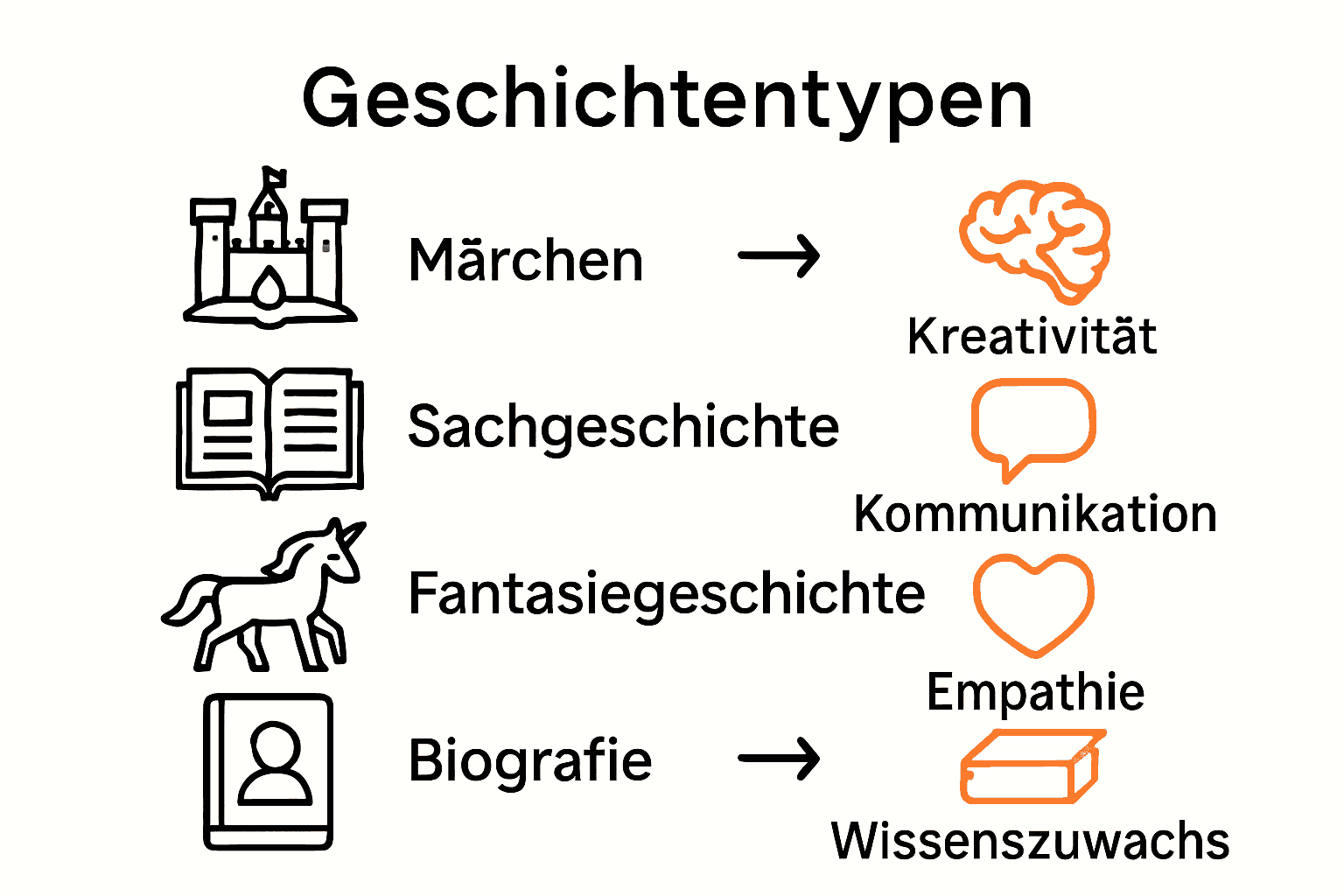
The most important story types and their specific developmental benefits can be differentiated as follows:
- Fairy Tales: Promote complex sentence construction and emotional language understanding
- Factual Stories: Expand specialized vocabulary and context-related language structures
- Fantasy Stories: Stimulate creative language production and metaphor understanding
- Biographical Narratives: Support narrative competencies and social language development
Intergenerational Stories particularly demonstrate how different narrative forms can holistically and sustainably support language development. What is decisive is the individual selection and adaptation to the child's developmental stage.
Practice: Using Stories Effectively
Language promotion through stories requires a thoughtful and strategic approach. Degruyterbrill recommends reading mentors concrete methods to use stories as an effective tool for language development.
The following practices are crucial for effective implementation:
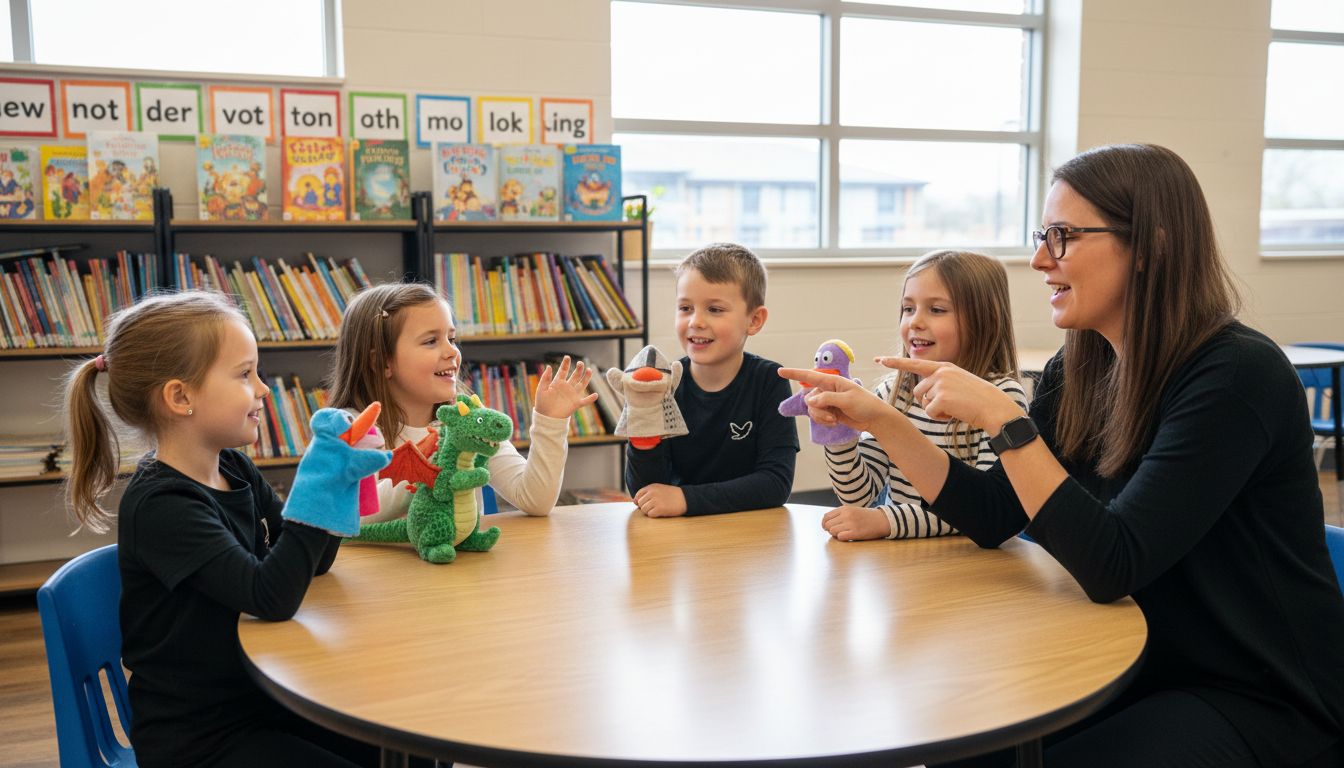
- Interactive Reading Aloud: Ask questions while telling the story
- Dialogic Communication: Encourage children to co-narrate
- Nonverbal Support: Use gestures and facial expressions
- Repetitions: Read favorite stories multiple times
Storytelling for Toddlers clarifies that the quality of storytelling is at least as important as story selection. What matters is enthusiasm, variation in tone of voice, and child-appropriate presentation.
Avoiding Common Mistakes in Story Use
Language promotion through stories can quickly become ineffective if certain pedagogical principles are neglected. Conscious and reflective handling of narratives is crucial for children's language development.
The most common mistakes that parents and educators should avoid include:
- Overly Complex Stories: Overwhelming children's comprehension
- Lack of Interaction: Passive reading aloud without involving the child
- Missing Repetition: Telling stories only once
- Age-Inappropriate Content: Stories that don't fit developmentally
- Emotional Distance: Reading style without enthusiasm and engagement
What Makes a Good Children's Story? offers further insights on how parents can optimally use stories for language development. What is crucial is an individual, child-friendly, and loving approach.
Promoting Language Development Playfully with Personalized Stories
The article clearly shows how essential storytelling is for children's language development. Parents and educators in particular face the challenge of finding suitable stories that are age-appropriate while also expanding vocabulary, strengthening grammar, and promoting communication skills. Often it is difficult to find stories tailored individually to a child's interests and language development.
This is precisely where Edory AI comes in. Our innovative platform offers daily new personalized children's stories that promote language playfully and make it fun. This way, we support parents and educators in actively accompanying language development in an emotionally engaging way. If you would like to learn more about the various applications of stories, we also recommend taking a look at our Uncategorized – Edory AI – Educational Children's Stories category.
Take the opportunity now to actively promote your child's language development with tailor-made stories. Discover how simple and effective individualized storytelling works and create valuable moments of language and learning together. Visit Edory AI and start today
Frequently Asked Questions
How do stories promote language development in children?
Stories expand vocabulary, improve grammatical understanding, and support the development of communication skills in children.
Which narrative styles are particularly effective for language promotion?
Fairy tales, factual stories, fantasy stories, and biographical narratives each offer different benefits for children's linguistic development.
What are common mistakes when reading stories aloud?
Overly complex stories, lack of interaction, missing repetition, age-inappropriate content, and emotional distance can negatively affect language promotion through stories.
What methods are recommended for effective reading aloud?
Interactive reading aloud, dialogic communication, nonverbal support through gestures and facial expressions, and regular repetitions are crucial for successful language promotion.
Recommendation
- 7 Ways to Promote Language Development with Picture Stories for Children – Edory AI – Educational Children's Stories
- Storytelling for Toddlers: Understanding What It Means – Edory AI – Educational Children's Stories
- Storytelling for Parents: Understanding and Experiencing – Edory AI – Educational Children's Stories
- Edory – Blog – Edory AI – Educational Children's Stories