 edory
edory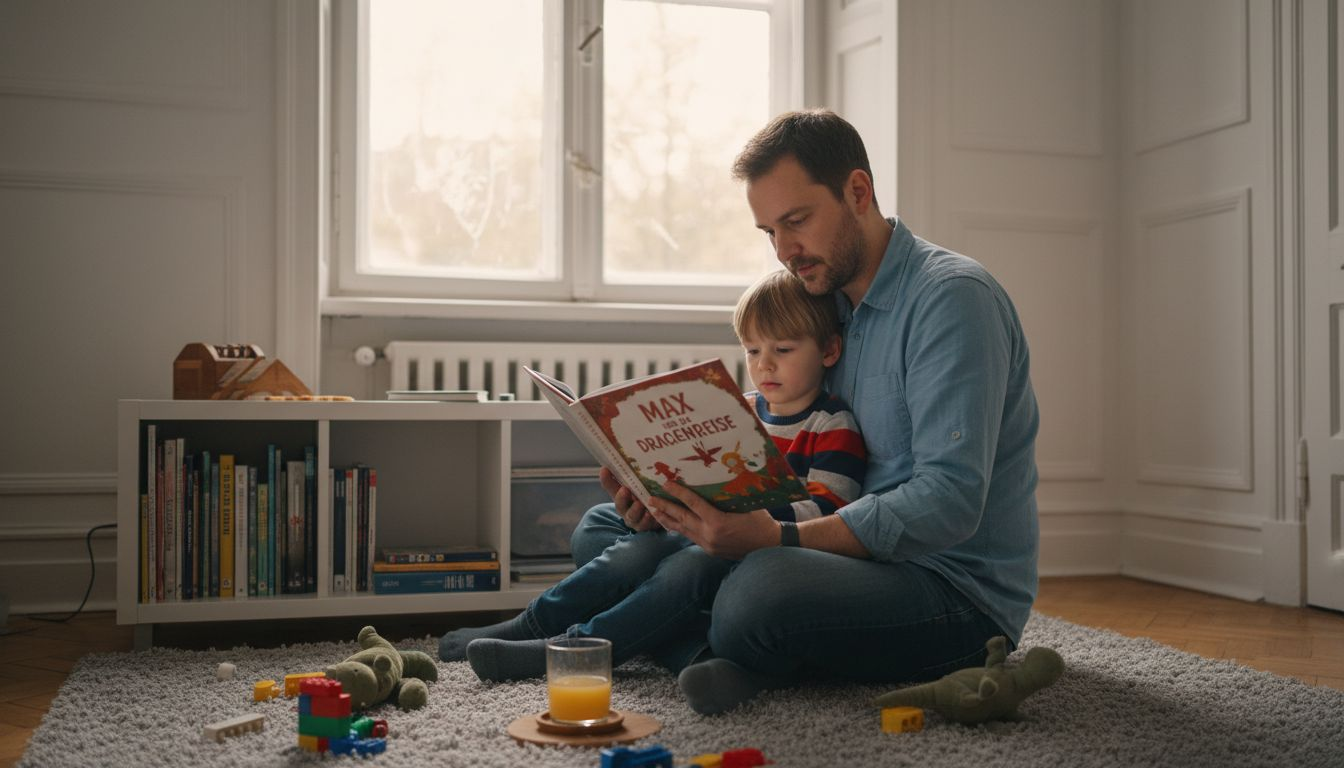
Every evening, many parents wish for their children to not only enjoy being read to, but also to actively participate in stories. Personalized children's books, in particular, succeed in bringing the little ones directly into the adventure and playfully strengthen the family feeling. When familiar names and experiences become part of the narrative, the reading ritual transforms into a shared experience full of emotional bonding and individual support. Discover how modern apps can bring this special quality into everyday family life.
Table of Contents
- What makes personalized children's books special
- Families as a central element in stories
- Benefits for bonding and child development
- How personalization works in apps
- Opportunities and risks of digital platforms
Key Takeaways
| Point | Details |
|---|---|
| Personalization | Personalized children's books promote emotional bonding and children's identification with the story. |
| Family orientation | Stories reflect different family structures and strengthen the sense of belonging. |
| Developmental advantages | Individualized content supports children's communication skills and emotional intelligence. |
| Digital challenges | Parents must balance digital learning and traditional reading habits to minimize potential risks. |
What makes personalized children's books special
Personalized children's books are far more than traditional stories — they are custom-tailored educational experiences that place children at the center of the plot. Through intelligent technologies, modern books can today seamlessly integrate personal details of a child such as name, appearance, and even interests into a story.
The key features of personalized children's books include:
- Individualized character names and attributes
- Adaptation of the plot to age and developmental stage
- Integration of personal details such as family structure
- Interactive elements that motivate children
- Educational content conveyed in a playful manner
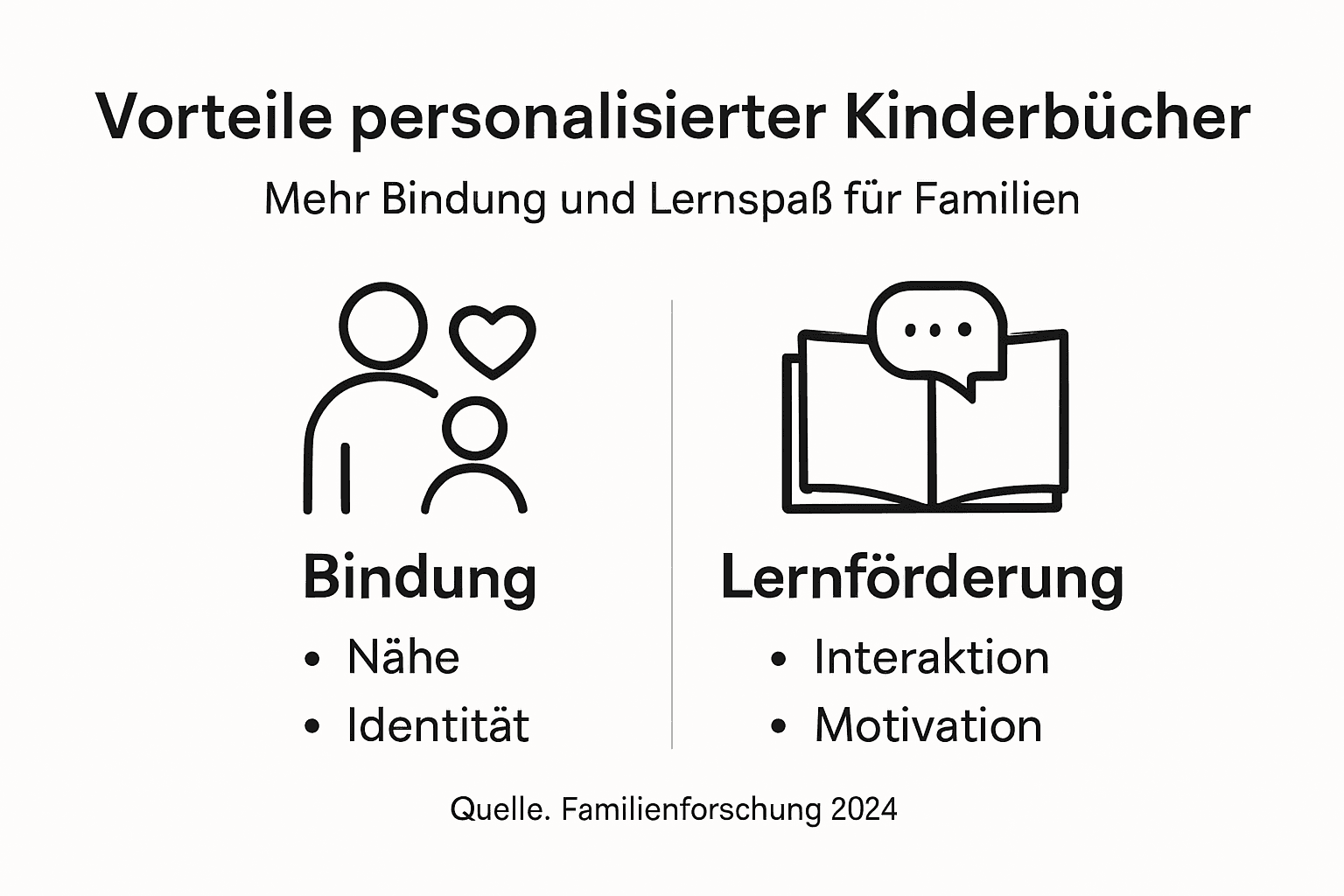
The special thing about personalized books lies in their ability to reach children emotionally and promote their identification with the story. When a child finds themselves as the protagonist, not only does reading enjoyment increase, but so does learning motivation.
Through these individualized books, parents can build a deeper connection to their children's reading process. The stories become a shared experience in which children actively co-create their own narrative and explore. This not only promotes language comprehension and creativity, but also strengthens self-esteem and the bond between parent and child.
In the following, classical and personalized children's books are compared to highlight their distinctive features:
| Criterion | Classical children's books | Personalized children's books |
|---|---|---|
| Relation to the child | General, not individual | Individual, tailored to the child |
| Emotional engagement | Passive listener | Active protagonist in the story |
| Learning effect | Standardized content | Customizable learning goals and content |
| Parent-child bonding | Shared reading aloud | Shared co-creation of the story |
Pro tip: When selecting personalized children's books, make sure the content is age-appropriate and educationally valuable.
Families as a central element in stories
Families form the heart of personalized children's books and create a unique emotional landscape for child development. The stories not only reflect family structures, but become a powerful tool for identity formation and self-understanding.
The central aspects of family-oriented stories include:
- Representation of different family constellations
- Emotional validation of family relationships
- Strengthening sense of belonging
- Conveying family history and values
- Promoting empathy and understanding
Scientific findings show that family stories not only entertain but also serve an important psychosocial function. They help children understand their own role within the family and develop emotional competencies.
By incorporating personal family details, stories become an interactive experience. Children can experience themselves as active protagonists and simultaneously learn important social skills. The narratives provide a safe space to explore and understand complex emotions and family dynamics.
Pro tip: Choose personalized books that respectfully represent the diversity and individuality of families.
Benefits for bonding and child development
Personalized children's books are far more than just entertainment — they are a powerful tool for strengthening emotional bonding between parents and children. Through individually tailored stories, families can create shared experiential spaces that go beyond traditional reading aloud.
The essential developmental benefits include:
- Strengthening self-esteem
- Promoting communication skills
- Emotional intelligence develops playfully
- Improved concentration ability
- Building a trusting parent-child relationship
The positive parent-child bonding is supported in a special way by personalized books. When children recognize themselves in stories, they feel seen and valued. This creates an emotional resonance space where children learn to express and understand their feelings.
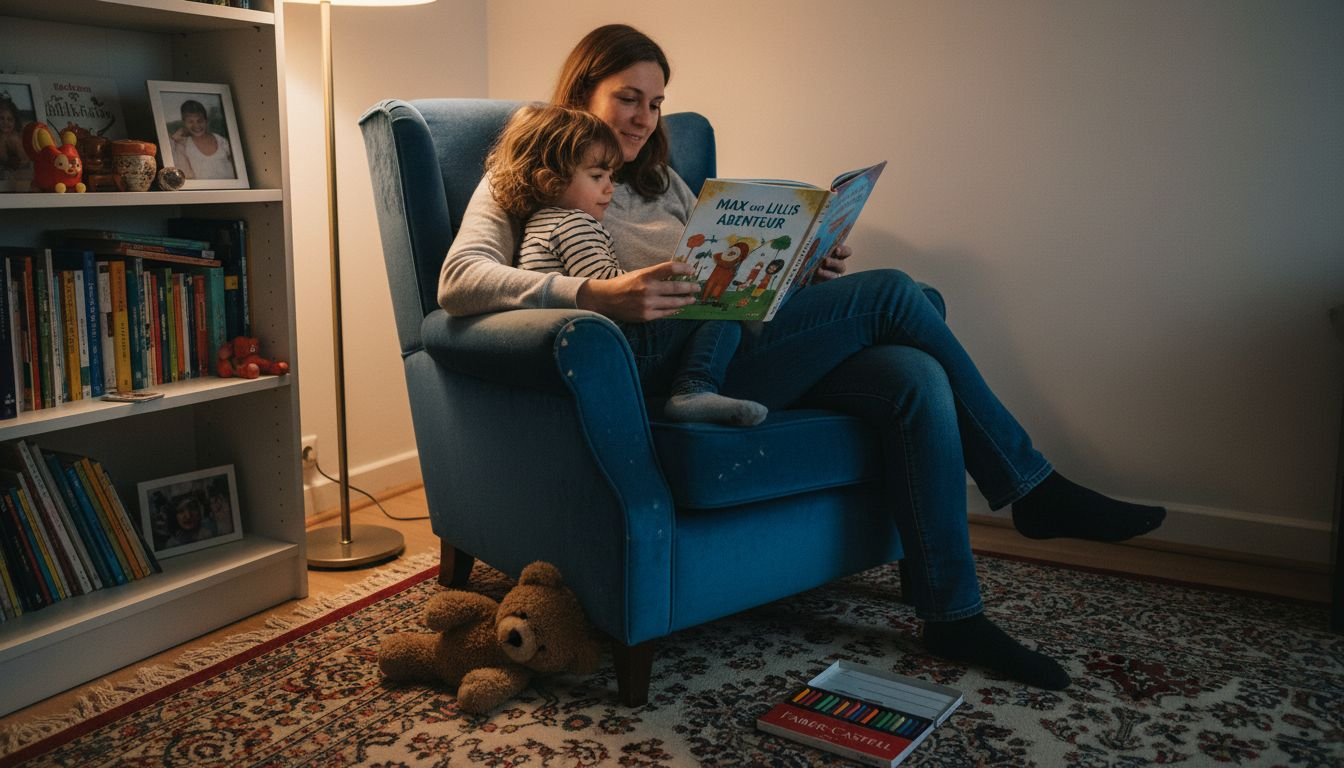
Interactive stories also enable a dialogical reading process where children can actively ask questions, make predictions, and develop their own interpretation. This form of shared storytelling not only strengthens cognitive development but also creates precious moments of closeness and trust.
Pro tip: Take conscious time while reading to have conversations and let your child share their own thoughts and feelings about the story.
How personalization works in apps
The personalization of children's books through apps is based on intelligent technology that seamlessly integrates individual characteristics and interests of children into stories. Modern artificial intelligence makes it possible to generate custom-tailored narratives that go far beyond standardized templates.
The core elements of app-based personalization include:
- Collection of individual child data
- Dynamic adaptation of characters
- Consideration of developmental stage
- Integration of personal preferences
- Flexible difficulty level adjustment
With personalized learning content, parents can create a completely individualized reading experience. The algorithms analyze age, interests, and learning progress to generate stories that are both entertaining and educationally relevant.
The technical process is based on machine learning algorithms that intelligently combine language patterns, educational content, and child-appropriate narratives. Safety standards and data protection guidelines are strictly adhered to in order to protect children's privacy.
Pro tip: Regularly check the personalization settings to ensure that the stories are optimally tailored to your child.
Opportunities and risks of digital platforms
Digital platforms for personalized children's books offer a wealth of opportunities, but at the same time raise important questions about data protection and media use. Balancing technological innovations with traditional reading habits requires careful consideration.
The essential opportunities and challenges include:
- Expanded educational opportunities
- Technology-supported learning assistance
- Potential data protection risks
- Reduction of direct social interaction
- Need for parental control
Child safety on the internet is becoming increasingly important. Parents must ensure that digital platforms are not only entertaining but also educationally valuable and safe for children.
The challenge is to design digital offerings in such a way that they take advantage of technology's positive aspects without replacing important personal interactions and traditional reading habits. Conscious and controlled use can maximize benefits and minimize potential risks.
The following table provides an overview of opportunities and risks of digital platforms for personalized children's books:
| Aspect | Opportunities for families | Risks and challenges |
|---|---|---|
| Education | Flexible learning content, adaptation to needs | Possible information overload |
| Social development | Shared experiences despite distance | Risk of reduced personal exchange |
| Data protection | Modern security mechanisms | Risks with insufficient monitoring |
| Media usage | Interactive, motivating reading incentives | Risk of excessive consumption |
Pro tip: Set clear time limits for digital media use and remain interactive and present while reading.
More closeness and learning with personalized children's books thanks to Edory
Personalized children's books create a unique connection between children and their families. Individual inclusion of the child and strengthening of emotional bonding are at the center. This is exactly what Edory addresses and enables parents with its innovative platform to generate new stories daily that place each child age-appropriately and lovingly at the center. Thus, shared reading becomes an interactive experience that strengthens self-esteem and promotes playful learning.
Experience for yourself how easy it can be to combine education and family closeness. On our page you will find numerous examples of personalized, educational children's stories that are tailored to your child's individual needs with state-of-the-art AI technology. Visit our category Uncategorized – Edory AI – Educational Children's Stories and discover how personalized books can support your child's development. Start today at Edory.ai and give your family valuable shared moments full of imagination and learning.
Frequently asked questions
What are personalized children's books?
Personalized children's books are individual stories that are customized with the child's personal data, such as name, appearance, and interests. This makes the child the protagonist of the story.
How do personalized children's books support my child's development?
These books strengthen self-esteem, promote communication skills, and improve emotional intelligence by helping children understand their role within the family and in social situations.
What advantages do personalized children's books offer compared to classical children's books?
Personalized books offer individual appeal, emotional engagement, and customizable learning content, while classical children's books convey general reading enjoyment.
How does personalization work in digital apps for children's books?
Digital apps use intelligent technologies to integrate individual characteristics and interests of children into stories, based on age data, hobbies, and learning progress.
Recommendation
- Personalized Books Family – More Education in Everyday Life – Edory AI – Educational Children's Stories
- Personalized Children's Book Family: Understanding and Meaning – Edory AI – Educational Children's Stories
- Personalized Sibling Books – Reading adventures for families – Edory AI – Educational Children's Stories
- Personalized Partner Book: Understanding and Meaning – Edory AI – Educational Children's Stories