 edory
edory
The first steps when writing a children's story often determine success. Even the choice of topic influences whether young readers will really stay engaged. Almost 80 percent of children prefer stories that reflect their own feelings and adventures. Those who understand what matters for age-appropriate characters, exciting plots, and understandable language can create stories that children never forget.
Table of Contents
- Step 1: Choose an Appropriate Topic
- Step 2: Define the Main Characters and Their Characteristics
- Step 3: Develop an Exciting Plot with a Learning Effect
- Step 4: Use Child-Appropriate Language and Style
- Step 5: Review and Improve Your Children's Story
Quick Overview
| Important Point | Explanation |
|---|---|
| 1. Choose an Appropriate Topic | The topic should appeal to children's everyday world and address their emotions and interests. |
| 2. Develop Interesting Main Characters | Characters should be authentic and relatable to spark children's interest and enable identification. |
| 3. Create an Educational Plot | The plot should be entertaining while conveying important life skills or moral lessons. |
| 4. Use Child-Appropriate Language | Use simple, clear, and active language that children can easily understand to maintain their attention. |
| 5. Review and Improve Your Story | The finishing touch is crucial; read aloud to check rhythm and comprehension, and remove unnecessary words. |
Step 1: Choose an Appropriate Topic
Selecting the right topic for a children's story is the first crucial step that determines whether children will truly be captivated and enjoy your story. The topic must precisely touch on children's everyday worlds and appeal to their emotions, dreams, and imagination.
When finding a topic, you should first carefully consider the age group of your target audience. For children between 0 and 5 years old, for example, everyday topics such as the arrival of a new pet or the first day of kindergarten are suitable. Older children between 8 and 12 years old, on the other hand, love exciting adventures and detective stories that awaken their curiosity and spirit of discovery.
A pro tip: Research thoroughly to ensure your topic idea hasn't been executed excessively. Make sure to develop an original perspective that truly excites children and encourages them to think. In the next step, we'll discuss how to develop your topic idea concretely.
Step 2: Define the Main Characters and Their Characteristics
The main characters are the heart of every children's story and significantly determine whether children will identify with the narrative and find it exciting. Children most enjoy reading stories with protagonists who are one or two years older than themselves, which is why it's important to tailor the characters precisely to your target audience.
When developing characters, pay special attention to language and personality. Use simple and clear language that children can easily understand. Avoid trendy language or artificial youth jargon. Instead, it's important that your characters feel authentic and lively. Give them special features or habits that make them unique and memorable.
A pro tip: Develop characters with relatable feelings and traits. A good character should overcome challenges, have weaknesses, and show development potential. This way, your protagonists will be interesting and credible to young readers. In the next step, we'll focus on plot development for your story.
Step 3: Develop an Exciting Plot with a Learning Effect
The plot of your children's story is more than just a sequence of events. It should be both entertaining and educational, with the main character overcoming challenges and growing in the process. The goal is not only to entertain children but also to convey important life lessons and learning experiences.
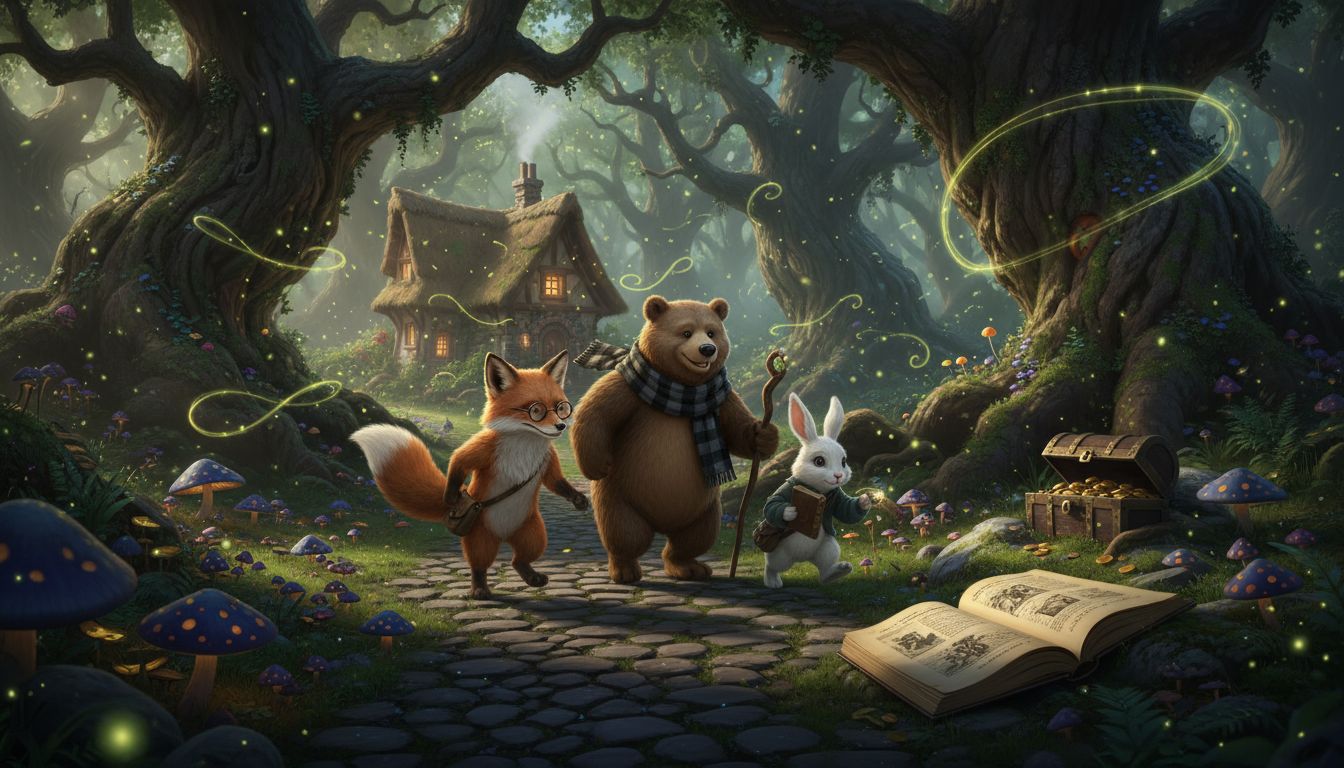
When shaping the story, pay special attention to language and structure. Use repetition and rhymes to promote children's interest and support their language development. Simple, active language and visual cues in the text help make the story understandable and engaging. Ensure your plot has a clear structure: introduction, conflict, climax, and resolution.
A pro tip: Build a meaningful learning effect into your story. This could be a moral lesson, a life experience, or a social skill that your protagonists learn through their challenges. This way, your story will not only be entertaining but also valuable for the development of young readers. In the next step, we'll work on refining details and polishing your story.
Step 4: Use Child-Appropriate Language and Style
Use simple and clear language that children can understand. The language in your children's story is the key to reaching and exciting young readers. It's about conveying complex ideas in a way that is accessible and understandable to children.
Avoid long sentences or abstract words and instead use short, active sentences. Consider how children speak and what words they are likely to understand. Make sure not to use condescending or artificial baby talk that quickly becomes dated. Instead, your language should be authentic, lively, and age-appropriate.
A pro tip: Read your story aloud. This helps you check the rhythm and comprehension. Pay special attention to repetition and rhymes that spark children's interest and support their language development. The goal is to create a story that children not only understand but also enjoy with pleasure. In the next step, we'll work on designing your illustrations and visual elements.
Step 5: Review and Improve Your Children's Story
The final polish determines whether your children's story is truly captivating and understandable. Make sure to keep the language simple and clear and avoid complex technical terms that could frustrate children. Use metaphors and comparisons carefully to avoid confusion.
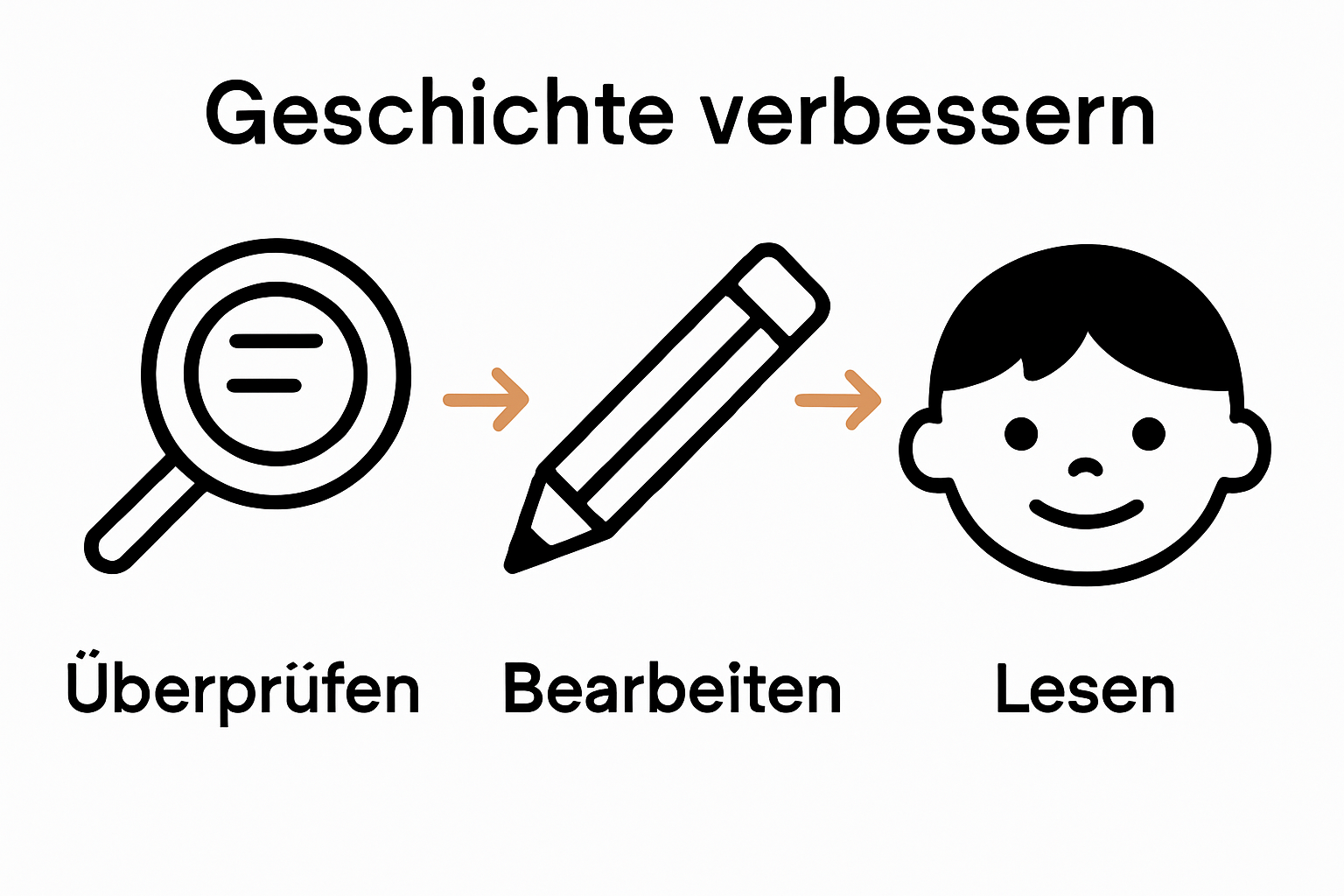
Write good, correct English with simple and understandable sentences. Pay attention to precise wording, rhythm, and sound in your story. Avoid artificial baby or children's language as well as trendy words that can quickly become outdated. Have different people of various age groups read your story to ensure it is understandable and engaging.
A pro tip: Read the story aloud and pay attention to language flow. Shorten overly long sentences, simplify complicated phrasing, and make sure every word is truly necessary. Your story should not only entertain children but also encourage them to think. You've successfully created a wonderful children's story.
Create Creative Children's Stories Easily
Writing exciting and educational stories for children challenges many. Careful selection of a child-appropriate topic, development of authentic characters, and simple, understandable language are key factors to keep young readers engaged and provide them with important learning content. This is exactly where Edory AI comes in. Our platform helps parents create personalized, age-appropriate stories every day that not only entertain but also convey values and important experiences.
Take advantage of the opportunity now to bring your children's stories to a whole new level with inspiring variety from our Uncategorized – Edory AI – Educational Children's Stories section. Discover how easy it can be to implement creative ideas while playfully promoting your child's language development and imagination. Start today on Edory AI and let the magic of storytelling enter your home every day! You have the ability to create a unique story with just a few clicks that truly excites and educates.
Frequently Asked Questions
How do I find an appropriate topic for a children's story?
To find an appropriate topic, you should consider the everyday worlds and interests of your target audience. Additionally, research which topics have already been used frequently and develop an original perspective. This can happen within 30 days if you actively search for current trends and needs.
What characteristics should the main characters in my children's story have?
The main characters should be lively, authentic, and adapted to the age group of the children. Give the characters special features or habits that make them memorable. Develop relatable feelings within character development to promote identification with young readers.
How do I make the plot of my children's story exciting and educational?
Shape the plot to be both entertaining and educational by having your protagonists overcome challenges. Make sure to maintain a clear structure with introduction, conflict, climax, and resolution. Within 2-4 weeks, you can sketch out and adjust the plot to achieve the best flow.
What language and style should I use for children?
Use simple, clear, and active language that is easy for children to understand. Avoid complicated phrasing or trendy words that quickly become outdated. Test your language on a concrete example at age 5 to ensure it is age-appropriate.
How can I review and improve my children's story?
Review your story for comprehension and avoid complex technical terms. Have different people, ideally from your target audience, read your story and provide feedback. Plan for at least a week to carefully consider and implement all improvement suggestions.
What should I do after writing my children's story?
After writing, read your story aloud to check the language flow and rhythm. Also note any possible revisions and implement them. Take at least 5 days to complete the detailed improvements.
Recommendation
- Create Everyday Stories with Children – Step by Step – Edory AI – Educational Children's Stories
- How Children Learn to Tell Stories: Step-by-Step Guide – Edory AI – Educational Children's Stories
- Fantasy Stories for Kindergarten: Tell Stories Creatively – Edory AI – Educational Children's Stories
- Tell Stories Creatively with Children: Create Imaginative Stories – Edory AI – Educational Children's Stories