 edory
edoryBedtime Stories: Helping Children Fall Asleep Quickly in 2026
· 7 minutes read
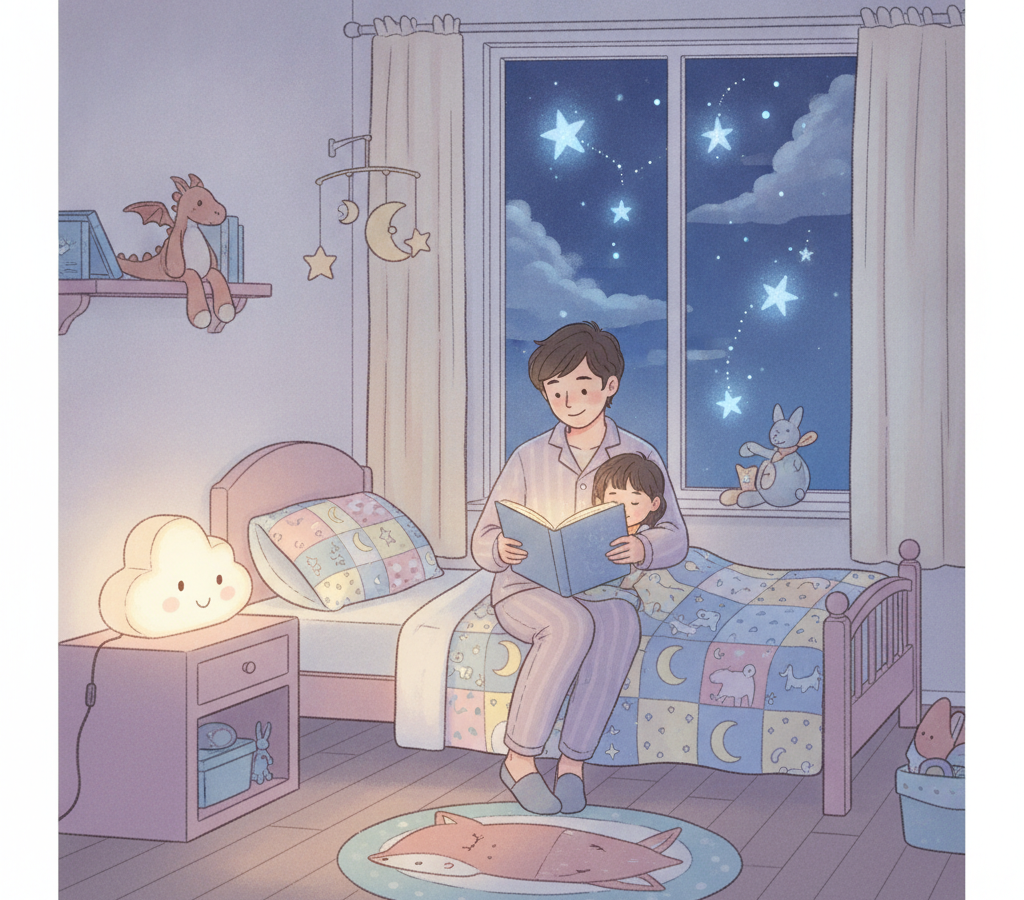
When Bedtime Becomes a Daily Challenge
Does this sound familiar? It's 8:30 PM, your child is in bed – and simply won't fall asleep. Instead come the questions, the excuses, a glass of water, one more kiss. Bedtime stories for children who need help falling asleep quickly are real lifesavers in moments like these. Because the right story at the right time acts like a gentle switch in a child's brain: it signals that the day is over – and the world of dreams is waiting.
In this article, you'll learn which stories truly help, how to design the perfect bedtime routine, and why personalized stories are particularly magical.
Why Bedtime Stories Make Falling Asleep Easier
Children love rituals – and for good reason. Our nervous system needs clear signals to shift from active daytime mode into rest mode. A read-aloud story sends exactly that signal. The voice of a familiar adult, a calm atmosphere, and an engaging but not overstimulating plot – that's the perfect combination for tired little eyes.
Sleep research studies consistently show that children who have a fixed evening routine fall asleep faster and sleep more deeply. And stories are especially effective because they activate the imagination without exciting the body. The brain follows the narrative, leaves the day behind, and gently drifts into sleep.
What Makes a Good Bedtime Story?
Not every story is suitable for bedtime. Action-packed adventures with dramatic twists can wake children up rather than calm them down. The best bedtime stories for children who need help falling asleep quickly share a few things in common:
Calm narrative flow: No frantic dialogue, no shocking moments – instead, gentle imagery and a leisurely pace.
Manageable length: 5 to 10 minutes is ideal. Too short doesn't calm enough, too long keeps them awake.
A positive ending: The story should end harmoniously – with warmth, friendship, or a small sense of achievement.
Familiar characters or settings: Animals, fairies, friendly dragons – or best of all: the child themselves as the hero.
No screen: Read aloud or audio-based is better than videos or tablets right before sleep.
Bedtime Stories for Children Who Fall Asleep Quickly – Our Best Ideas
Need some inspiration? Here are a few story ideas that have proven to work wonderfully:
The Cloud Journey
The child lies in bed and imagines resting on a soft cloud. The cloud carries them gently over forests, lakes, and mountains. Everything is still, the moon shines kindly. Step by step, the storytelling slows down, the images grow quieter – and the child follows the cloud into sleep. This format combines imaginative journeying with relaxation elements and is especially suitable for children between the ages of 3 and 8.
The Brave Little Rabbit Findus
Findus is afraid of the dark – just like many children. But one evening, he discovers that the night is full of friendly creatures: fireflies lighting the way, an old frog singing lullabies, and stars that wink at him. In the end, Findus snuggles into his warm bed and falls fast asleep. Stories like this help children overcome their own fear of falling asleep.
Personalized Stories – The Real Secret Tip
Imagine your daughter Lena becomes an adventurer journeying through an enchanted forest – experiencing her own name, her best friend, and even her favorite teddy bear as part of the story. Sounds magical? It is.
Personalized stories have a truly special effect on children because they can fully identify with the main character. This keeps attention high and turns falling asleep into a genuine experience. Apps like Edory AI make exactly this possible: in just a few seconds, your child becomes the hero or heroine of a unique story – tailored to their age, interests, and even a desired learning theme. This is modern storytelling that children love.
Building the Perfect Bedtime Routine – Step by Step
A good story alone sometimes isn't enough – the surrounding routine is just as important. Here is a tried-and-tested evening ritual that helps both parents and children:
A fixed bedtime: Always go to bed at the same time – this trains the body to expect sleep.
Usher in quiet time: No television or exciting games for 30 minutes before bed.
Snuggling and getting dressed: Pajamas on, teeth brushed – the routine builds anticipation for the story.
Choosing the story: Let your child pick sometimes – it gives them a sense of control and something to look forward to.
Read calmly: Slowly, in a gentle voice, with small pauses where appropriate.