 edory
edory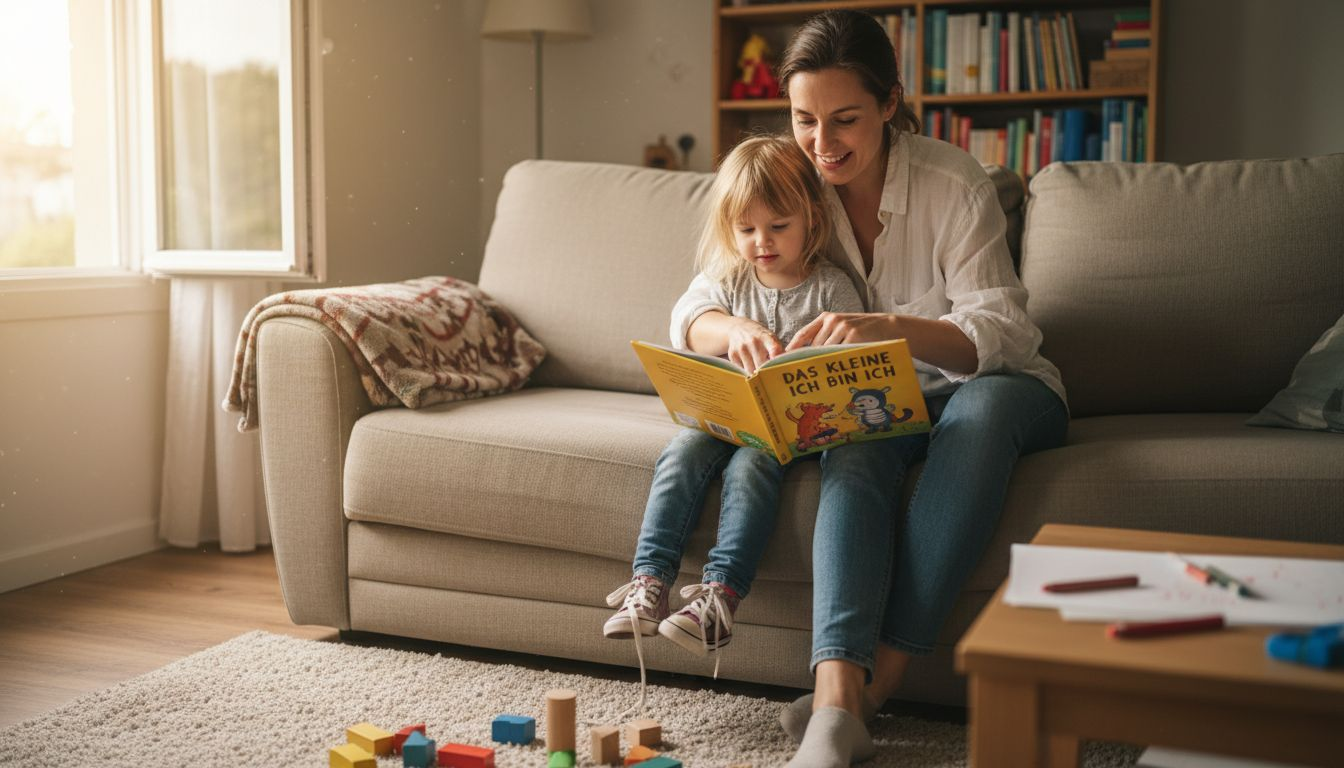
Nearly 80 percent of all parents in Germany wish for effective support in language development for their preschool children. In this important developmental phase, the right choice of books often determines success in vocabulary building. Those who rely on personalized picture books combine education with fun and noticeably strengthen the child's communication skills. In the following article, you will discover how picture books enrich everyday life and playfully open up new learning worlds.
Table of Contents
- Why Picture Books Are Ideal for Language Development
- Discovering Pictures and Words Together
- Asking Questions and Encouraging Storytelling
- Expanding Vocabulary Through Repetition
- Rhymes and Language Games in Stories
- Choosing Age-Appropriate Topics Strategically
- Incorporating Picture Book Moments Into Daily Life
Quick Summary
| Important Point | Explanation |
|---|---|
| 1. Picture Books Expand Vocabulary | By viewing picture books together, children learn new words and their meanings intensively. |
| 2. Dialogic Reading Promotes Active Speaking | Open-ended questions encourage children to express their thoughts and develop their own stories. |
| 3. Repetitions Solidify Language Skills | Reading the same books multiple times helps children internalize words and use them confidently. |
| 4. Rhymes Promote Language Rhythm and Creativity | Language games and rhymes make learning entertaining and support phonological awareness. |
| 5. Daily Life Integration Facilitates Language Development | Incorporating short reading moments into daily life makes language learning relaxed and natural. |
1. Why Picture Books Are Ideal for Language Development
Picture books are much more than just colorful pages to look at. They are powerful tools for language development in preschool children and offer a unique opportunity to expand language skills playfully and lovingly.
Research clearly shows that viewing picture books together fundamentally supports word acquisition. Children not only learn new words but also develop a deeper understanding of language and communication. Through dialogic reading, children are actively involved in the story and encouraged to speak, ask questions, and express their thoughts.
Picture books are particularly valuable because they engage multiple senses. The combination of images and text helps children understand connections and link words to concrete ideas. Developed in a developmentally appropriate way, picture books can support individual vocabulary and language skills at the appropriate age.
Benefits of Picture Books for Language Development:
- Expansion of vocabulary
- Promotion of dialogic speaking
- Strengthening of communication skills
- Development of language comprehension
Pro Tip: Choose picture books that actively encourage your child to participate and speak, and develop an interactive reading routine.
2. Discovering Pictures and Words Together
Discover a fascinating world of language with your preschool child through picture books. Viewing and exploring pictures and words together is a magical moment of language development.
Children between three and six years old are particularly receptive to dialogic reading and interactive picture books. This is not just about reading stories but exploring pictures together, asking questions, and bringing stories to life. Through targeted questioning techniques, children are motivated to expand their vocabulary and communicate actively.
Strategies for Discovering Picture Books Together:
- Point out interesting details in pictures
- Ask open-ended questions about the images
- Encourage your child to tell stories
- Leave room for your child's own interpretations
Important to Know: Picture puzzle books and age-appropriate picture books offer excellent opportunities to learn language playfully. The variety of images encourages children to speak more and discover new words.
Pro Tip: Make reading an interactive experience where your child co-creates stories and discovers their imagination.
3. Asking Questions and Encouraging Storytelling
Asking intelligent questions while reading is key to language development in preschool children. Through targeted questioning techniques, parents can motivate their children to actively tell stories and think critically.
Dialogic reading is about more than having children listen passively; it's about actively involving them in the story. Open-ended questions encourage children to use their individual vocabulary and express themselves verbally. They learn to formulate thoughts and develop their own interpretations.
Effective Question Strategies While Reading Aloud:
- Ask open-ended questions like "What do you think happens next?"
- Encourage description of pictures and characters
- Ask about the feelings and guesses of the characters
- Let your child retell parts of the story
Important: Focus on questions that require more than a yes or no answer. The goal is to promote more complex speech.
Pro Tip: Vary your questioning techniques and be patient waiting for answers – every utterance from your child is a language learning success.
4. Expanding Vocabulary Through Repetition
Repetition is a magical key to language development in preschool children. It helps children not only learn words but also understand and solidify them.
The dialogic approach to reading uses repetition purposefully as a learning strategy. Children need multiple encounters with words and sentence structures to truly internalize them. Each repetition is like a small building block in the language development process.
Strategies for Effective Vocabulary Repetition:
- Read favorite picture books multiple times
- Emphasize new words while reading aloud
- Play word games with book words
- Let your child repeat sentences and rhymes
Important: Vary your repetitions and make them lively. Boredom is the enemy of language learning.
Pro Tip: Make repetitions a playful experience with role reversals or funny voice variations.
5. Rhymes and Language Games in Stories
Rhymes and language games are more than just fun word tricks. They are a powerful tool for playful language development in preschool children.
Through dialogic reading with rhymes, children playfully learn language rhythm and sound structures. Rhymes develop phonological awareness and make language an entertaining experience. They help children recognize word patterns and develop their own language creativity.
Creative Methods for Rhymes and Language Games:
- Let your child complete rhymes
- Play word chain games
- Invent rhyming stories together
- Use puppets to act out stories
Important: Language games should be fun and not feel like a lesson. The joy of play comes first.
Pro Tip: Be creative yourself and exaggerate when reading aloud and playing with language – the more enthusiasm, the more your child learns.
6. Choosing Age-Appropriate Topics Strategically
Choosing the right books is crucial for language development in preschool children. Not every book is equally suitable for every age and developmental stage.
When selecting age-appropriate stories, parents should consider their children's interests and language level. Topics such as friendship, feelings, and everyday experiences particularly appeal to children between four and six years old and motivate them to participate and think along.
Criteria for Book Selection:
- Themes that reflect the child's world
- Books with simple, clear plots
- Stories with characters children can identify with
- Books that address and explain emotions
Important: Books should encourage children to ask questions and tell stories, not overwhelm them.
Pro Tip: Let your child have a say in book selection and observe their reactions to different topics.
7. Incorporating Picture Book Moments Into Daily Life
Language development doesn't have to be complicated. Picture books offer fantastic opportunities to naturally integrate language learning moments into family life.
Through everyday language development, parents can playfully and without pressure provide their children with new language experiences. Short reading sessions at breakfast, viewing picture books together before bedtime, or spontaneous storytelling moments during household chores make language learning a natural process.
Creative Everyday Moments for Picture Books:
- Read aloud while dressing in the morning
- Tell stories during meals
- Use picture books as transition rituals
- Create spontaneous reading corners in your home
Important: Force is the biggest enemy of language learning. Let the moments arise naturally and relaxed.
Pro Tip: Always have a picture book handy and be open to spontaneous storytelling moments that your child initiates.
Below is a comprehensive table summarizing the benefits and techniques of language development for preschool children through picture books, based on the article.
| Topic | Description | Benefits/Significance |
|---|---|---|
| Language Development Through Picture Books | Picture books promote language development in preschool children through the acquisition of new words and deepening language comprehension. | Expansion of vocabulary, promotion of dialogic speaking, and communication skills. |
| Interactive Picture Book Use | Discovering pictures together, pointing out details, and asking open-ended questions. | Motivation to communicate, playful learning through active participation. |
| Effective Questioning Techniques | Deliberately asking open-ended questions and inviting storytelling while reading aloud. | Promotion of thinking and expression, expansion of individual vocabulary. |
| Vocabulary Through Repetition | Repeated reading and reintroduction of words. | Internalization of words and sentence structures. |
| Rhymes and Language Games | Use of rhymes and creative language play while reading. | Development of phonological awareness and promotion of language creativity. |
| Age-Appropriate Book Selection | Choosing suitable books based on the child's interests and experience. | Increased motivation and age-appropriate learning. |
| Picture Book Moments in Daily Life | Integration of reading moments into daily life such as before bedtime. | Natural and relaxed language development without pressure. |
This table provides an overview of the key content of the article and the importance of picture books for language development.
Using Picture Books Playfully With Personalized Stories From Edory
Parents who want to optimally support their preschool child's language development know the challenges: children need varied, age-appropriate stories that encourage them to think and participate. Targeted questions, repetitions, and exciting picture books help. But often there isn't time to select new books daily or invent creative stories yourself.
That's where Edory comes in. Our digital platform offers personalized children's stories tailored to your child's age and interests. This way, you promote language development playfully and effortlessly with new, interactive reading experiences every day. Discover the variety of storytelling possibilities in our collection and let yourself be inspired by intelligent AI.
Benefit now from the new way of language development and create valuable picture book moments for your child. Visit https://edory.ai and enter a creative reading world that inspires and educates at the same time.
Frequently Asked Questions
How Can I Use Picture Books to Support My Preschool Child's Language Development?
Use picture books by regularly reading with