 edory
edory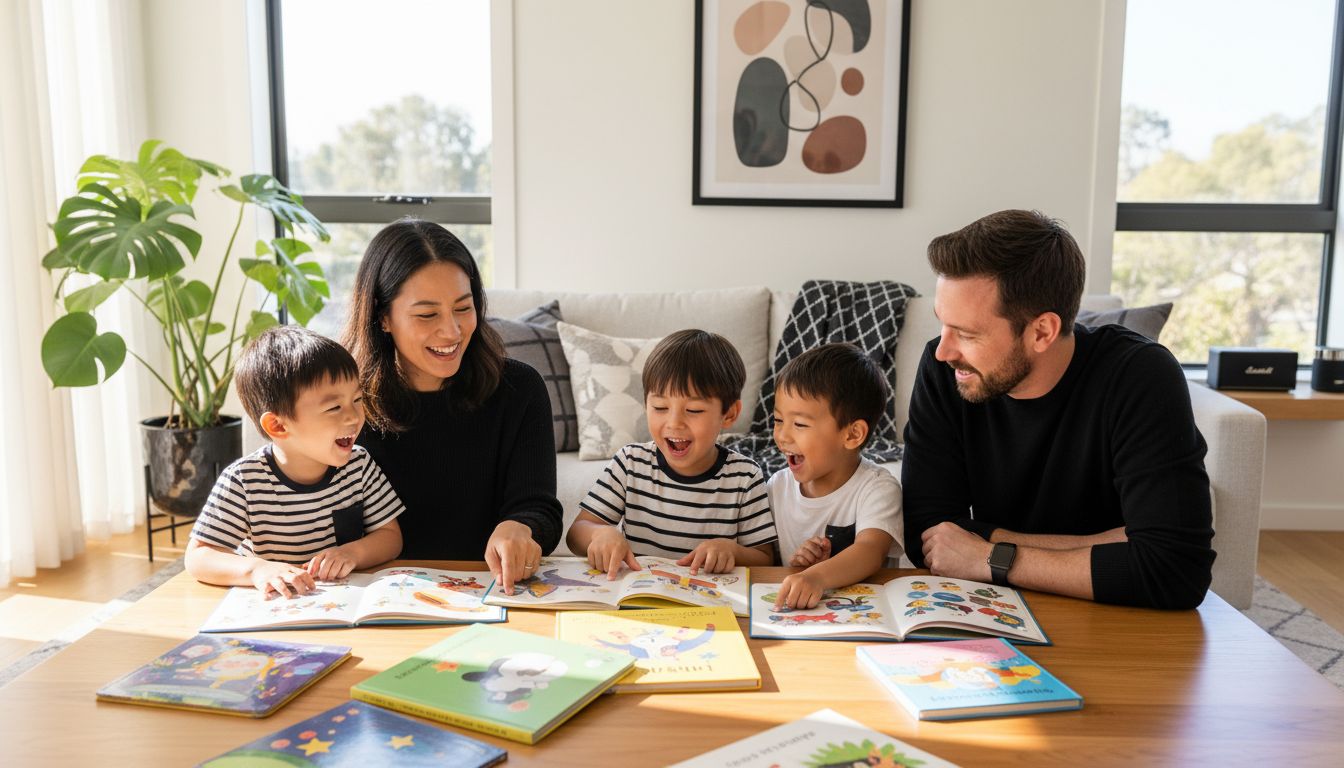
Over 80 percent of children benefit measurably from images when learning language. Picture stories transform reading aloud into a shared adventure where children discover new words, sentence structures, and stories with all their senses. Everyday life offers many opportunities to see how images creatively support children's language development. Whether through joint storytelling, exploration, or role-playing—here you'll learn how stories with pictures ignite language joy and learning motivation.
Table of Contents
- Why Picture Stories Promote Language Development
- Looking at Pictures Together and Talking About Them
- Creating Your Own Stories About Pictures
- Asking Questions and Encouraging Storytelling
- Developing Role-Plays with Characters from Pictures
- Collecting New Words from Picture Stories
- Integrating Picture Stories into Everyday Life
Quick Summary
| Insight | Explanation |
|---|---|
| 1. Actively Explore Picture Stories | Children learn new words and language structures playfully through visual stories. This promotes language comprehension. |
| 2. Ask Open-Ended Questions | Open-ended questions encourage children to express their thoughts and use their imagination, which improves their language skills. |
| 3. Create Your Own Stories | Children develop their language abilities by creating creative stories about pictures and thus strengthen their means of expression. |
| 4. Use Role-Plays | Role-plays help children bring characters to life and create dialogues, which promotes their language development. |
| 5. Integrate Picture Stories into Everyday Life | Picture stories can be woven into everyday life to create language moments in various situations and promote learning. |
1. Why Picture Stories Promote Language Development
Picture stories are more than just colorful pages in a book. They are a magical tool to support and enrich children's language development. Through visual storytelling, children can learn language in a playful and intuitive way.
When children look at picture stories, they activate multiple areas of their brain simultaneously. They learn new words in context, understand grammatical structures, and develop a sense of narratives. Visual cues help children understand meanings they cannot yet express verbally.
In practice, this means for parents: Take time to explore picture stories together. Point to pictures, name objects, describe actions. Ask questions like "What do you see here?" or "What's happening right now?". This interactive approach promotes not only vocabulary but also communication skills.
- Children learn new vocabulary through visual contexts
- They develop understanding of narrative structures
- Visual language supports verbal language learning
The power of picture stories lies in their ability to make language lively and exciting. No dry learning methods here—just pure joy of discovery and storytelling.
2. Looking at Pictures Together and Talking About Them
Looking at picture books together is a wonderful way to support your child's language development. It's not just about turning pages, but about creating an active conversation that fosters curiosity and communication.
Interactive viewing means more than passive listening. Encourage your child to explore the pictures and talk about them. Ask open questions like "What do you see here?" or "What's happening in the picture?". This approach helps children sharpen their observation skills and put thoughts into words.
Practical tips for an exciting picture book experience:
- Point to details in the picture
- Let your child create stories
- Vary your questioning techniques
- Leave room for creative interpretations
How Children Learn to Tell Stories: Step-by-Step Guide can provide additional inspiration. The shared picture book experience becomes a magical moment of learning and connection.
3. Creating Your Own Stories About Pictures
Inventing your own stories about pictures is a magical key to language development. Children transform static images into lively narratives and develop their language and creative abilities in the process.
Creative storytelling is more than an exercise. According to the Association for Special Education, children learn to grasp picture messages and put them in their own words, which greatly strengthens their ability to express themselves. Encourage your child to look at the pictures and develop stories.
Practical suggestions for creative storytelling:
- Ask open-ended questions about the picture
- Let your child invent the main characters
- Support without correcting
- Show enthusiasm for their ideas
Telling Stories Creatively with Children: Creating Imaginative Stories can provide further inspiration. Every invented story is a little language adventure that helps your child grow.
4. Asking Questions and Encouraging Storytelling
Questions are the key to motivating children to tell stories and playfully promoting their language development. They are like little doors to creativity that help children structure and express their thoughts.
Open-ended questions are particularly effective. They invite children to give more than just short answers and create their own stories. Instead of closed questions like "Is that a dog?", ask "What is the dog doing here?" or "What could his story be like?". This type of questioning encourages children to unleash their imagination and use more complex language structures.
Practical questioning techniques for better language development:
- Use W-questions (Who? What? How?)
- Show genuine interest in the answer
- Leave room for creative answers
- Don't interrupt
Storytelling in Family Life: What Is It and Why Is It Important? offers further insights into this method. Every question is an invitation to a language discovery journey.
5. Developing Role-Plays with Characters from Pictures
Role-plays are a magical bridge between picture books and living language. They transform static images into dynamic stories where children can freely unfold their imagination and language abilities.
According to Herder Publishing, role-plays enable children to expand their ability to express themselves. Creative role-play is more than just reenacting. It's about bringing characters to life, exploring their feelings, and creating your own dialogues.
Practical tips for successful role-plays:
- Encourage your child to take on different characters
- Provide props and costumes
- Leave room for creative interpretations
- Be a fellow player, not a director
Learning Through Play: Creative Methods for Playful Instruction offers further suggestions. Every role-play is a small language journey full of discoveries and joy.
6. Collecting New Words from Picture Stories
Words are the building blocks of language, and picture stories are the perfect playground for word discoveries. Children can playfully and joyfully learn new terms here and incorporate them into their vocabulary.
Vocabulary work is more than just learning words. It's about making words come alive and giving them meaning. Encourage your child to find and explore interesting words from the story. Point to pictures, name things, and invite your child to repeat these words and use them.
Creative methods for collecting words:
- Create a colorful dictionary together
- Play word guessing games
- Create funny sentences with new words
- Make words come alive through movement
Understanding Child Education Through Stories offers further suggestions. Every new word is a little treasure on the journey of language learning.
7. Integrating Picture Stories into Everyday Life
Picture stories are not islands of entertainment, but can be seamlessly woven into family life. They are powerful tools for language education that can be used everywhere and anytime.
According to PH Bern, stories are an elementary part of language promotion. Everyday storytelling moments can happen anywhere—while getting dressed, eating, playing, or driving. The art is to make stories not a chore but an adventure.
Creative integration ideas:
- Use picture stories while waiting
- Incorporate small narratives into routine tasks
- Discover picture books together in unusual places
- Create spontaneous storytelling moments
Storytelling for Parents: Understanding and Experiencing offers further inspiration. Every moment can become a language learning space—you just have to keep your eyes and heart open.
Here is a comprehensive table that summarizes the main points for promoting language development through picture stories in the article.
| Topic | Description | Key Approaches |
|---|---|---|
| Picture Stories and Language Development | Picture stories promote language development by helping children learn new words and understand narrative structures. | Take time to explore pictures; ask questions; name words. |
| Interactive Viewing | Viewing pictures together promotes communication and curiosity. | Open-ended questions; show details; create stories. |
| Creating Your Own Stories | Children develop creativity and language skills by telling stories about pictures. | Invent main characters; show enthusiasm. |
| Asking Questions | Open-ended questions motivate children to use more complex sentences. | Use W-questions; leave room for creative answers. |
| Role-Plays | Role-plays expand the ability to express oneself through creative interaction. | Take on characters; use props. |
| Vocabulary Work | Picture stories are ideal for playful vocabulary building. | Create a colorful dictionary; word guessing games. |
| Integration into Everyday Life | Stories can be easily integrated into everyday life; language is promoted everywhere. | Use while waiting; incorporate narratives into routines. |
More Language Promotion for Your Child with Personalized Picture Stories
Language development in children needs creative and playful moments like the seven ways with picture stories described in the article. Many parents wish for more support to specifically promote storytelling, vocabulary, and creative speech. The challenge is often finding new, age-appropriate stories each day that encourage children to think and participate. Terms like creative storytelling, open-ended questions, and role-plays from the article show how important individual and varied stories are to strengthen linguistic expression.
This is where Edory.ai comes in. Our platform offers a unique opportunity to generate personalized picture stories for children every day. This allows you to specifically enrich everyday life with exciting narratives and playfully support language development. Also discover exciting methods and inspiration on our page in the Uncategorized – Edory AI – Educational Children's Stories category and bring shared storytelling experiences to a new level.
Start now to inspire your child with constantly new stories tailored to their interests and easily integrate language promotion into everyday life. Visit us at edory.ai and experience how stories grow and children discover joy in speaking.
Frequently Asked Questions
How Can Picture Stories Support My Child's Language Development?
Picture stories promote language development by providing visual contexts in which children learn new words and narrative structures. Spend about 10–15 minutes daily looking at picture stories together and talking about them.