 edory
edory
Many parents underestimate how much a cleverly told story shapes their child's development. Studies show that over 80 percent of children listen more intensively when characters are age-appropriate and the plot is exciting. The selection of themes, characters, and interactive elements determines how vivid a story becomes. Those who combine these building blocks cleverly not only promote imagination and language but give children exciting learning experiences that remain in their memory for a long time.
Table of Contents
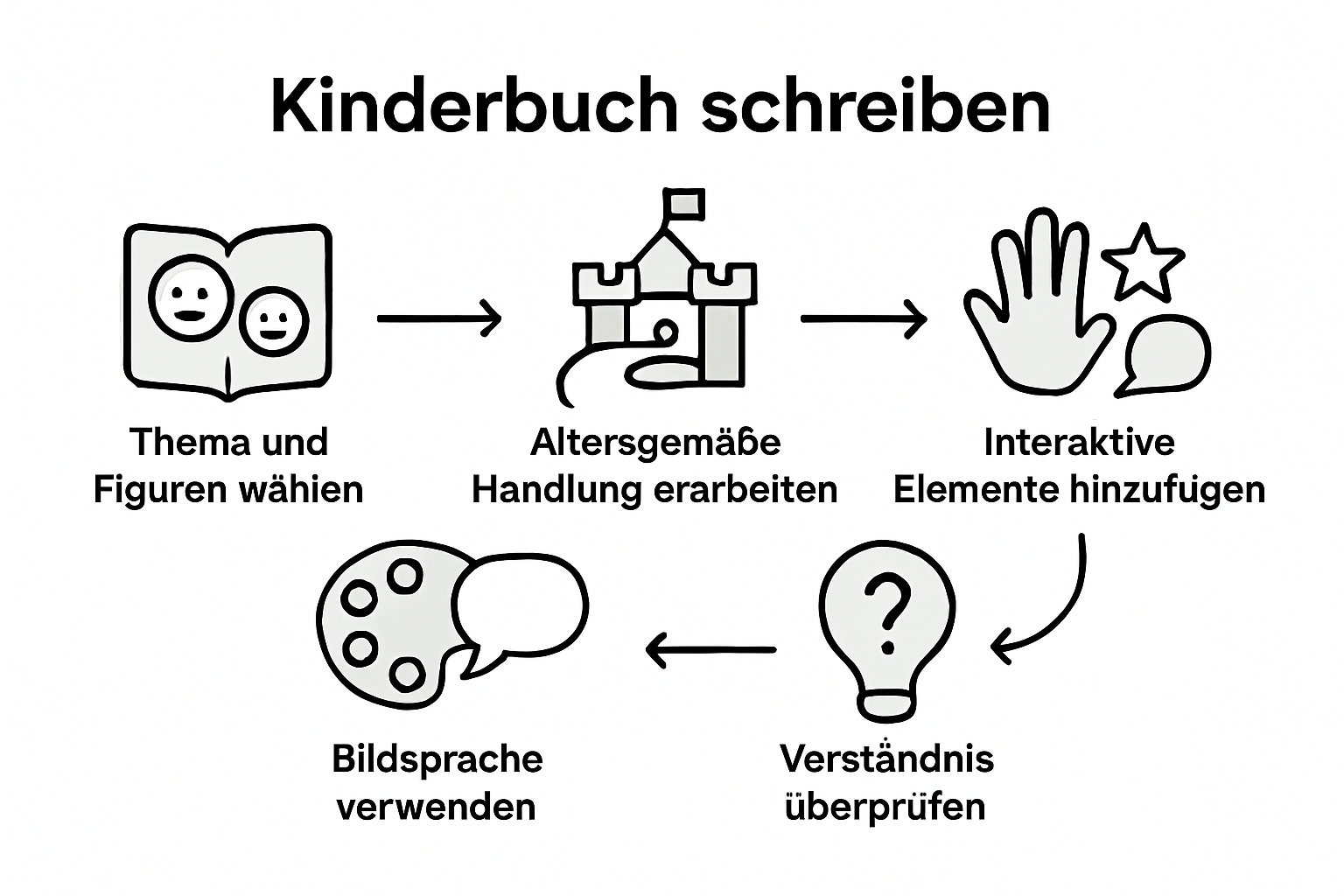
- Step 1: Choose Appropriate Themes and Characters
- Step 2: Create an Exciting and Age-Appropriate Plot
- Step 3: Add Vivid Language and Repetitions
- Step 4: Use Interactive Elements to Engage Children
- Step 5: Check the Comprehensibility and Impact of the Story
Brief Summary
| Important Point | Explanation |
|---|---|
| 1. Choose Appropriate Themes and Characters | Themes and characters should be emotionally engaging and age-appropriate to spark children's interest. |
| 2. Create an Exciting Plot | A clear and dynamic plot that matches the children's age is crucial for their engagement and understanding. |
| 3. Use Vivid Language | Vivid language and repetitions help bring stories to life, allowing children to emotionally immerse themselves and empathize. |
| 4. Integrate Interactive Elements | Interactive elements encourage children's active participation and allow them to make their own decisions in the story. |
| 5. Check Comprehensibility | Critical reflection of the story based on children's reactions ensures that messages are clear and engaging. |
Step 1: Choose Appropriate Themes and Characters
When selecting child-friendly stories, themes and characters play a crucial role in engaging and helping young listeners understand. The right story can touch children emotionally and inspire their imagination.
Begin with a careful analysis of your child's age and interests. Each age group requires specific narrative elements: toddlers enjoy simple stories with clear plot sequences, while school-age children appreciate more complex character development. Selecting age-appropriate stories offers a helpful guide for this decision.
Pay attention to characters that touch children emotionally and with whom they can identify. Protagonists should embody qualities like courage, compassion, and curiosity. Avoid overloaded or overly complex characters that might overwhelm children. Instead, look for characters that are authentic and age-appropriate.
When selecting themes and characters, also consider emotional development. A good story should provide room for learning, growth, and positive messages. Make sure the narrative presents challenges while also showing hope and solutions.
Step 2: Create an Exciting and Age-Appropriate Plot
When developing a captivating story for children, the key is to create a plot that is both exciting and developmentally appropriate. The narrative should appeal to children emotionally and stimulate their imagination.
Storytelling in the classroom demonstrates that a well-structured plot allows children to immerse themselves more deeply in the story. Be sure to adjust the complexity of the story to the age of your audience. For younger children, this means clear, linear plot sequences with simple conflicts, while older children can already understand nuanced story arcs and moral dilemmas.
Integrate elements that create tension without overwhelming. Use plot twists that spark curiosity but are not frightening. Characters should overcome challenges that demonstrate courage, creativity, and problem-solving abilities. Digital media offerings can help develop interactive and engaging narrative structures.
Pay attention to a balanced tension arc: start with an interesting opening situation, gradually build tension, and provide a satisfying resolution. The story should leave room for identification, learning, and positive emotions.

Step 3: Add Vivid Language and Repetitions
Vivid language and targeted repetitions are powerful tools for making children's stories lively and memorable. They help children better identify with the narrative and experience the story emotionally.
Use vivid metaphors and sensory descriptions that spark children's imagination. Instead of saying "The wind blew," describe it as: "The wind danced wildly through the trees and whispered mysterious stories." Language development through stories shows how linguistic creativity motivates children to listen and empathize.
Repetition is an important stylistic tool in children's stories. Rhythmic sentence structures and recurring phrases create familiarity and predictability. They encourage children to join in and actively engage with the story. Make sure repetitions are not monotonous, but work with slight variations that create tension and moments of surprise.
Through skillful use of vivid language and thoughtful repetitions, you transform a simple narrative into an emotional experience that children will remember for a long time.
Step 4: Use Interactive Elements to Engage Children
Interactive elements transform passive listeners into active story explorers. They motivate children to deeply connect with the narrative and unfold their own creativity.
Interactive storytelling frameworks show new ways of narrative engagement. Integrate moments where children can make decisions: let them choose characters, influence plot threads, or participate in sounds and movements. An example would be a story where children can decide: Should the little rabbit go left or right around the tree?
Interactive stories can combine physical and digital elements. Encourage children to help shape stories through role-playing, puppet movements, or even small improvisations. It's important to make interaction age-appropriate and playful.
Through this active involvement, stories become a shared experience full of discovery and excitement.
Step 5: Check the Comprehensibility and Impact of the Story
The final phase of storytelling is to critically reflect on the story and evaluate its impact on children. Careful review ensures that the narrative actually achieves its educational and emotional goals.
Observe children's immediate reactions while telling the story. What makes a good story shows that authentic reactions such as attention, excitement, or thoughtfulness are important indicators of the story's quality. Pay attention to non-verbal signals such as facial expressions, body posture, and emotional resonance.
Ask targeted questions about understanding and interpretation. Let children retell the story in their own words or describe important moments. This helps you recognize whether central messages and emotions actually get across. Don't hesitate to adapt or refine the story based on feedback.
An effective story not only touches a child's heart but also stimulates imagination and the learning process.
Discover Easy Ways to Child-Friendly Storytelling with Edory.ai
The article clearly demonstrates how important it is to match appropriate themes, vivid language, and interactive elements precisely to children's ages and interests. Parents and educators often face the challenge of constantly finding new and exciting stories that are emotionally engaging while stimulating imagination. Edory.ai offers a clever solution by generating individually customized stories daily that fulfill these needs.
Use the opportunity now to inspire your children with child-friendly storytelling methods and creatively support their language and learning development. Learn more about our diverse offerings in the category Uncategorized – Edory AI – Educational Children's Stories and start directly with personalized stories on Edory.ai. Immerse yourself in a new experience of storytelling art and give your child a daily dose of inspiration and learning fun.
Frequently Asked Questions
What topics are best suited for child-friendly stories?
The best topics for child-friendly stories are those that appeal to children emotionally and reflect their interests. Think of examples that include courage, friendship, or adventure and with which children can identify.
How can I develop an exciting plot for children?
To develop an exciting plot, you should adjust the complexity of the story to the children's age. Start with a clear opening situation and build tension through interesting plot twists that are appropriate for your target audience.
Which elements of vivid language are particularly effective?
Particularly effective are vivid metaphors and sensory descriptions that stimulate children's imagination. Use examples that amaze children, such as "The wind danced wildly through the trees."
How can I integrate interactive elements into my stories?
Integrate interactive elements by involving children in decisions or encouraging them to participate. For example, let them choose which way a character should go or imitate sounds to actively shape the story.
How do I check the comprehensibility of my story for children?
Check comprehensibility by observing children's reactions and understanding while telling the story. Ask targeted questions to find out whether the central messages are getting across and adjust the story if necessary.
What positive messages should I include in children's stories?
Positive messages in children's stories should convey friendship, helpfulness, and problem-solving skills. Make sure challenges are presented that encourage children to think, but also offer solutions and hope.