 edory
edory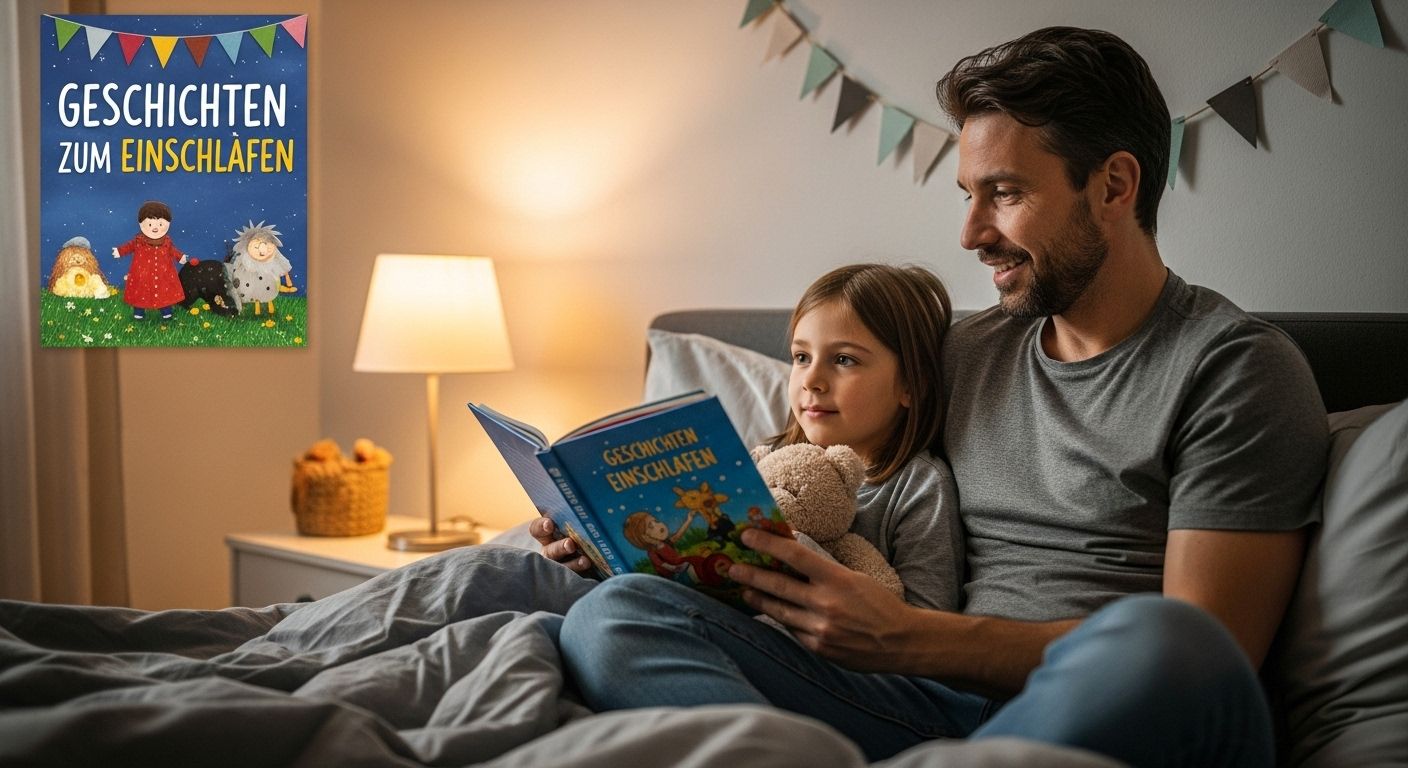
Every evening, millions of children are accompanied to sleep with stories, and this has more influence than many think. Studies show that reading together not only expands vocabulary, but also noticeably strengthens the emotional bond with family. Many parents rely on the bedtime ritual. But when the atmosphere is right and imagination is properly stimulated, bedtime becomes a little adventure that helps children grow and allows them to sleep more peacefully.
Table of Contents
- Why Bedtime Stories Are Important For Children
- Tips For Reading And Storytelling In The Evening
- Our Most Beautiful Bedtime Stories
- Creating Your Own Fantasy Journeys For Peaceful Nights
Quick Overview
| Takeaway | Explanation |
|---|---|
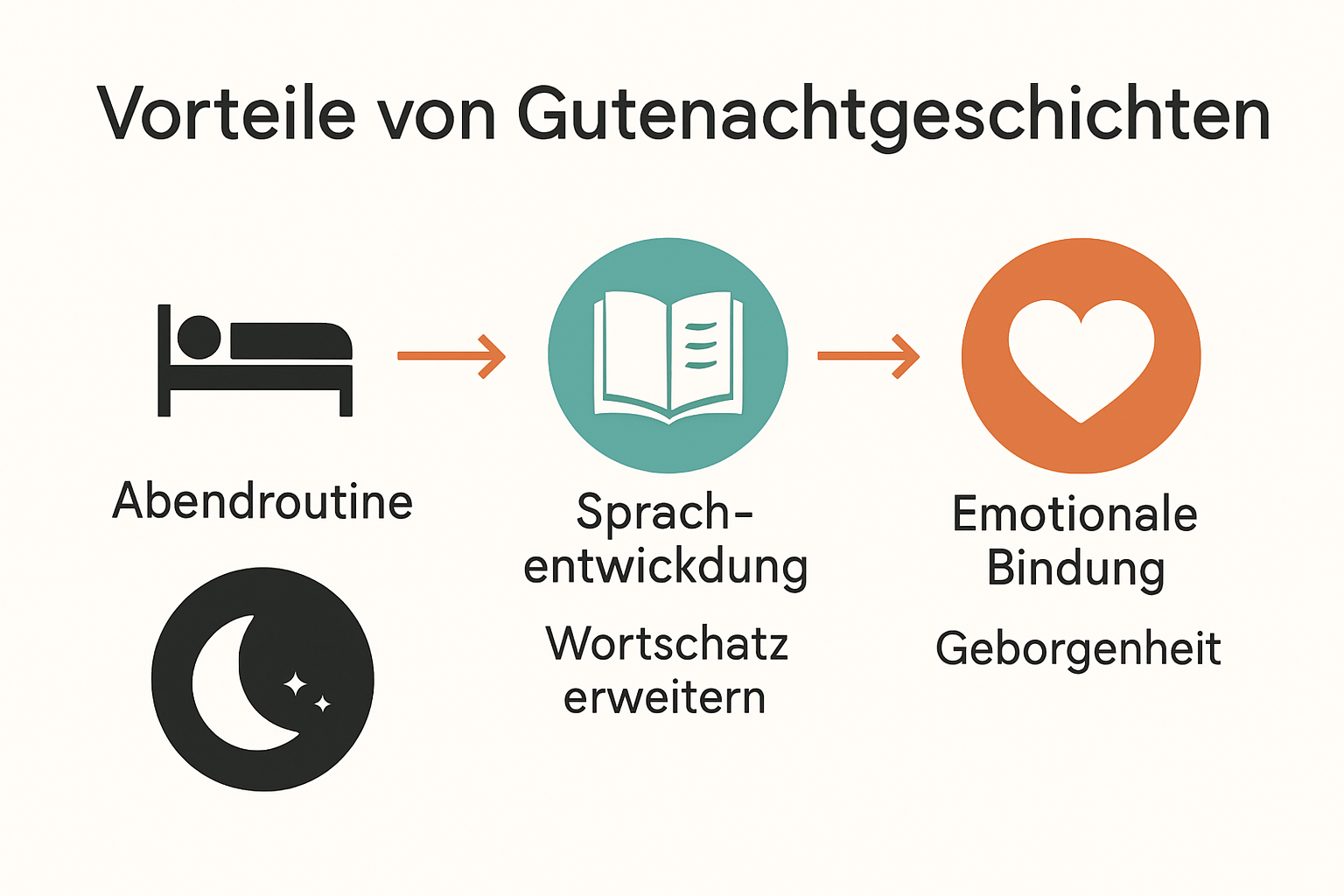
| Bedtime stories promote language development | Regular reading expands vocabulary and improves children's communication skills. |
| Emotional bonding is strengthened through reading | Reading together creates closeness and security, which is important for psychological development. |
| A calm atmosphere is essential for reading | A comfortable place without distractions promotes concentration and the relaxation experience. |
| Interactive reading increases engagement | Asking questions while reading promotes critical thinking and makes the experience more lively. |
| Fantasy journeys help with relaxation | Through guided fantasy journeys, children can reduce stress and enter a peaceful sleep state. |
Why Bedtime Stories Are Important For Children
Bedtime stories are more than just a nightly routine. They are a magical tool that supports children's development in many ways and helps them come to rest. This special form of communication offers children much more than just preparation for sleep.
Language Development And Cognitive Abilities
Regular listening to stories before bedtime has an amazing effect on children's language development. Scientific studies confirm that children expand their vocabulary by listening and learn more complex language structures. Each story is an opportunity to discover new words and improve communication skills in a playful way. Children not only learn new terms but also develop a deeper understanding of language and communication.
Furthermore, listening to stories promotes cognitive abilities. Children learn to understand storylines, make logical connections, and develop their imagination. These mental processes are crucial for intellectual development and support critical thinking later on.
Emotional Bonding And Security
Bedtime stories are more than just a nightly routine. They are an important moment of connection between parents and children. Research on sleep patterns shows that a consistent bedtime routine with stories significantly improves children's emotional well-being. During the story, children feel closeness, security, and love. This emotional security is fundamental for their psychological development.
In these quiet moments before falling asleep, children can let go of fears, process the day's experiences, and build a deep connection with their parents. The story becomes a safe harbor where they can come to rest and develop trust.
Relaxation And Sleep Quality
The soothing effect of bedtime stories should not be underestimated. They help children let go of the stress and excitement of the day and transition to a calm, relaxed state. The parents' gentle voice, the rhythmic sound of words, and the captivating plot distract the mind from worries and restlessness.
A well-chosen story can work like a natural meditation that prepares the body for sleep. Children learn to relax, calm their thoughts, and drift peacefully into sleep. This ability to self-soothe is an important skill that will stay with them for life.
Bedtime stories are far more than a nightly tradition. They are a powerful tool for development, bonding, and well-being. Every evening, they open new worlds to children while simultaneously promoting their physical, mental, and emotional health.
To give you a quick overview of the most important effects of bedtime stories, here is a summary of the key benefits:
| Benefit | Description |
|---|---|
| Language Development | Reading expands vocabulary and improves communication skills. |
| Emotional Bonding | Reading together creates closeness and security, promotes psychological well-being. |
| Cognitive Abilities | Listening to and understanding stories promotes logical thinking and imagination. |
| Relaxation and Sleep Quality | Stories help reduce stress and promote peaceful sleep. |
| Self-Soothing | Children learn to calm themselves and fall asleep peacefully. |
Tips For Reading And Storytelling In The Evening
Reading in the evening is a wonderful tradition that is far more than just a bedtime routine. With the right strategies, parents can turn this time into a magical and educational moment that promotes children while helping them relax.
Creating The Right Atmosphere
A cozy environment is essential for successful reading time. Choose a quiet, comfortable place where your child feels safe and relaxed. Dim lighting, a soft blanket, and a cozy pillow can set the mood perfectly. Research on interactive reading shows that a calming environment significantly improves attention and bonding during storytelling.
Avoid distractions like television, tablets, or smartphones. These electronic devices not only disrupt concentration but can also negatively affect the child's sleep-wake cycle. Instead, focus should be completely on the shared reading time.
Interactive And Dynamic Reading
Reading should be a lively, interactive experience. Vary your tone and volume to increase suspense or bring certain characters to life. Use different voices for different characters and let your body language support the story.
Ask your child questions during reading. For example, ask: "What do you think will happen next?" or "How do you think the character feels?" This interaction not only promotes critical thinking but also makes the story experience more fun and memorable.
Age-Appropriate Book Selection And Routine
Choosing the right story is crucial. Select books that match your child's age and interests. For younger children, books with simple, colorful illustrations and short sentences work well. Older children can enjoy longer stories with more complex plots.
Establish a consistent routine. Try to read at the same time every evening, ideally about 20-30 minutes before actual bedtime. This predictability helps children relax and prepare for sleep.
Also consider your child's individual needs. Some children like longer stories, others prefer shorter ones. Be flexible and pay attention to your child's reactions. If they become tired or lose concentration, it's time to end the story.
Reading in the evening is a valuable opportunity to build a deep connection with your child. It is more than just a routine—it is a moment of security, learning, and a shared journey of discovery into fantastic worlds.
Our Most Beautiful Bedtime Stories
Bedtime stories are more than just a nightly routine. They are magical moments that help children unfold their imagination, relax, and immerse themselves in a world full of wonders. The right story can work like a gentle spell that gently guides children into sleep.
Fairy Tales And Classic Stories
Fairy tales have a timeless power that has fascinated children for generations. Classic stories like "Cinderella," "Little Red Riding Hood," or "The Little Prince" offer more than just entertainment. Scientific studies confirm that regular reading promotes children's language development and emotional regulation.
These stories contain important life lessons and moral teachings that are conveyed playfully. They help children understand complex emotions and develop empathy. The magical world of fairy tales opens new perspectives for children and supports their cognitive development.
Imaginative Animal Stories
Animal stories have a special appeal to children. They combine adventure, excitement, and important life lessons in a way that captivates children while calming them. Research shows that early and frequent reading activates brain areas that support language comprehension and visual imagination.
Stories about brave lions, friendly elephants, or clever foxes can help children understand social interactions and explore moral concepts. They convey values like friendship, courage, and compassion in a gentle, entertaining way.
Personalized And Soothing Stories
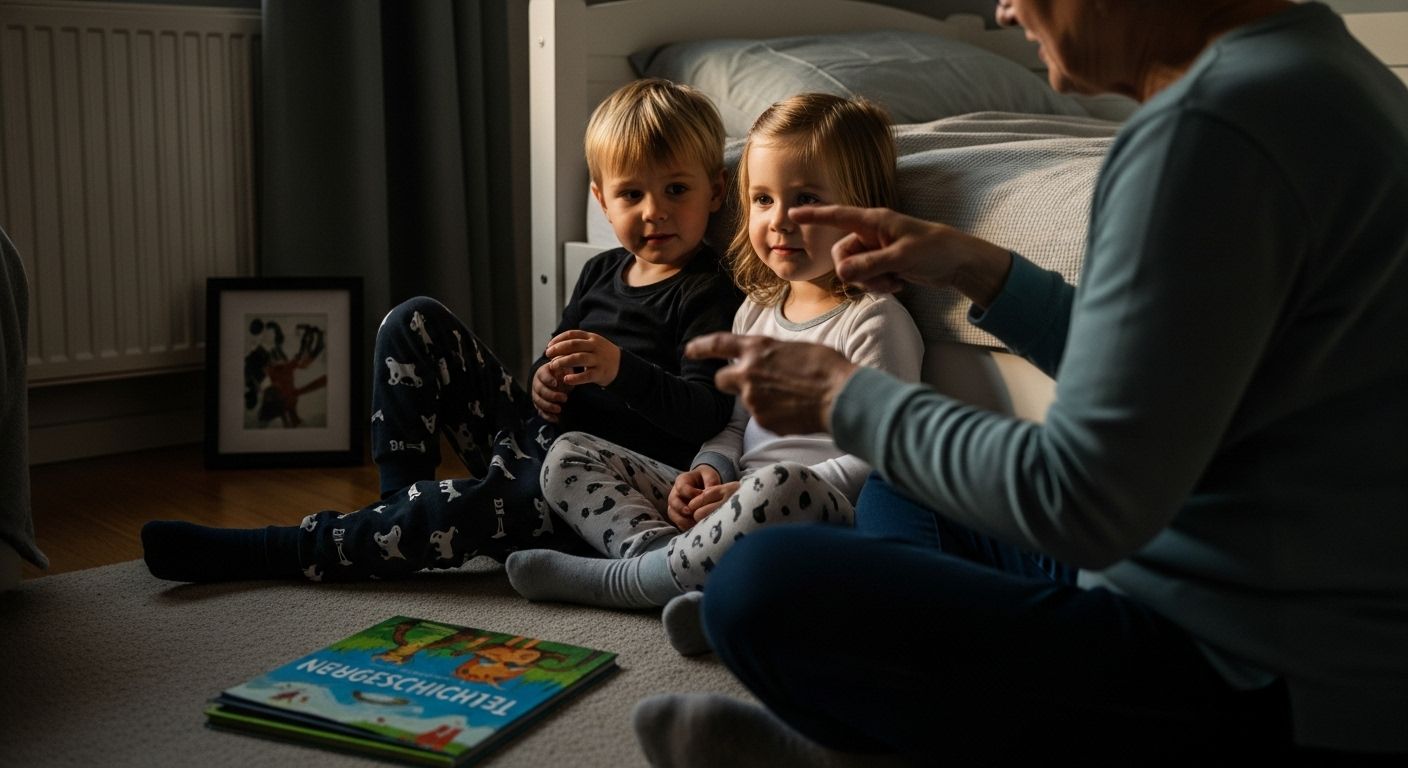
Personalized stories have a special effect. They can be tailored to the child's individual interests and needs and make falling asleep a very personal experience. Studies on shared book reading confirm that such stories promote children's narrative ability and emotional intelligence.
Soothing stories with gentle characters and peaceful plots can reduce fears and create a positive sleep atmosphere. A story about a little star making its journey through the night, or about a bear preparing its cozy winter home, can give children a sense of safety and security.
Each story is a bridge between wakefulness and dreams, between reality and fantasy. They are not just entertainment but an important tool for supporting children's development. The right stories can help children relax, learn, and grow.
When you read a story to your child every evening, you create more than just a bedtime routine. You give them a magical moment of closeness, learning, and unlimited possibilities.
Here you will find a comparison of different types of bedtime stories and their special benefits for children:
| Type of Story | Typical Characteristics | Important Benefits |
|---|---|---|
| Fairy Tales & Classics | Timeless, often with moral lessons, familiar characters | Promotes language development and empathy |
| Imaginative Animal Stories | Animals as main characters
🦉
📱 Now Available
Ready for the First Adventure?Get Edory AI for free and start today with personalized children's stories your child will love. ⭐⭐⭐⭐⭐ Over 1,000+ happy families · Start for free |