 edory
edory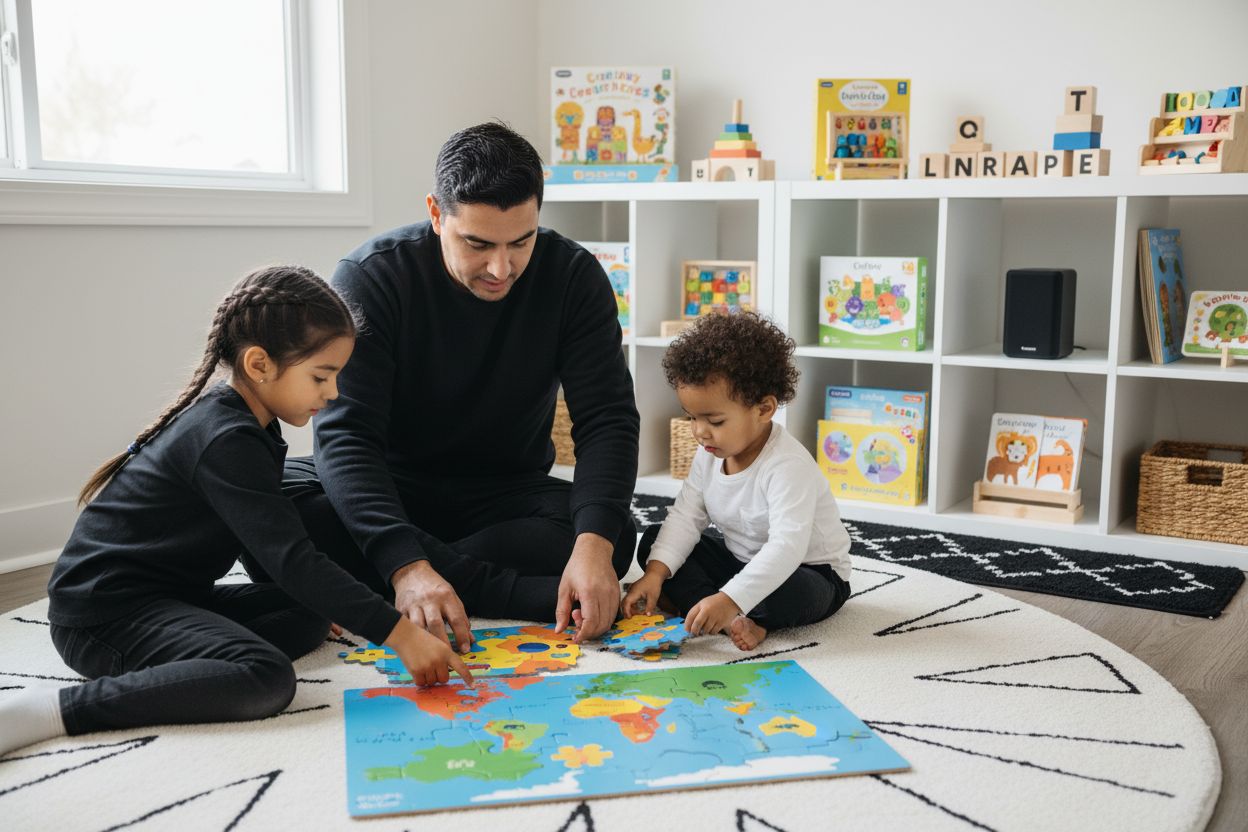
Educational games require more than just imaginative ideas. Over 70 percent of all learning success in preschool age is supported through targeted play activities. It sounds like a lot of effort with craft materials and rulebooks. But often the right choice of materials decides whether children really have fun and learn at the same time. Because sometimes the key to learning success is hidden in the seemingly simplest things in the children's room.
Table of Contents
- Step 1: Selecting Materials and Resources for Games
- Step 2: Planning Age-Appropriate Educational Games
- Step 3: Creating a Safe and Appealing Play Environment
- Step 4: Actively Involving Children in the Game
- Step 5: Reflecting on Learning Progress After Play
Quick Summary
| Important Point | Explanation |
|---|---|
| 1. Choose Age-Appropriate Materials | Consider the age and developmental stages of children when selecting play materials. |
| 2. Include Individual Interests | Adapt materials and games to the specific interests and strengths of the child. |
| 3. Create a Safe and Appealing Environment | Design the play area as safe and inspiring to promote children's motivation and creativity. |
| 4. Actively Involve Children in the Play Process | Let children make decisions and bring their own ideas into the game to increase their motivation. |
| 5. Reflect After the Game | Use reflection conversations to recognize learning achievements and optimize future games. |
Step 1: Selecting Materials and Resources for Games
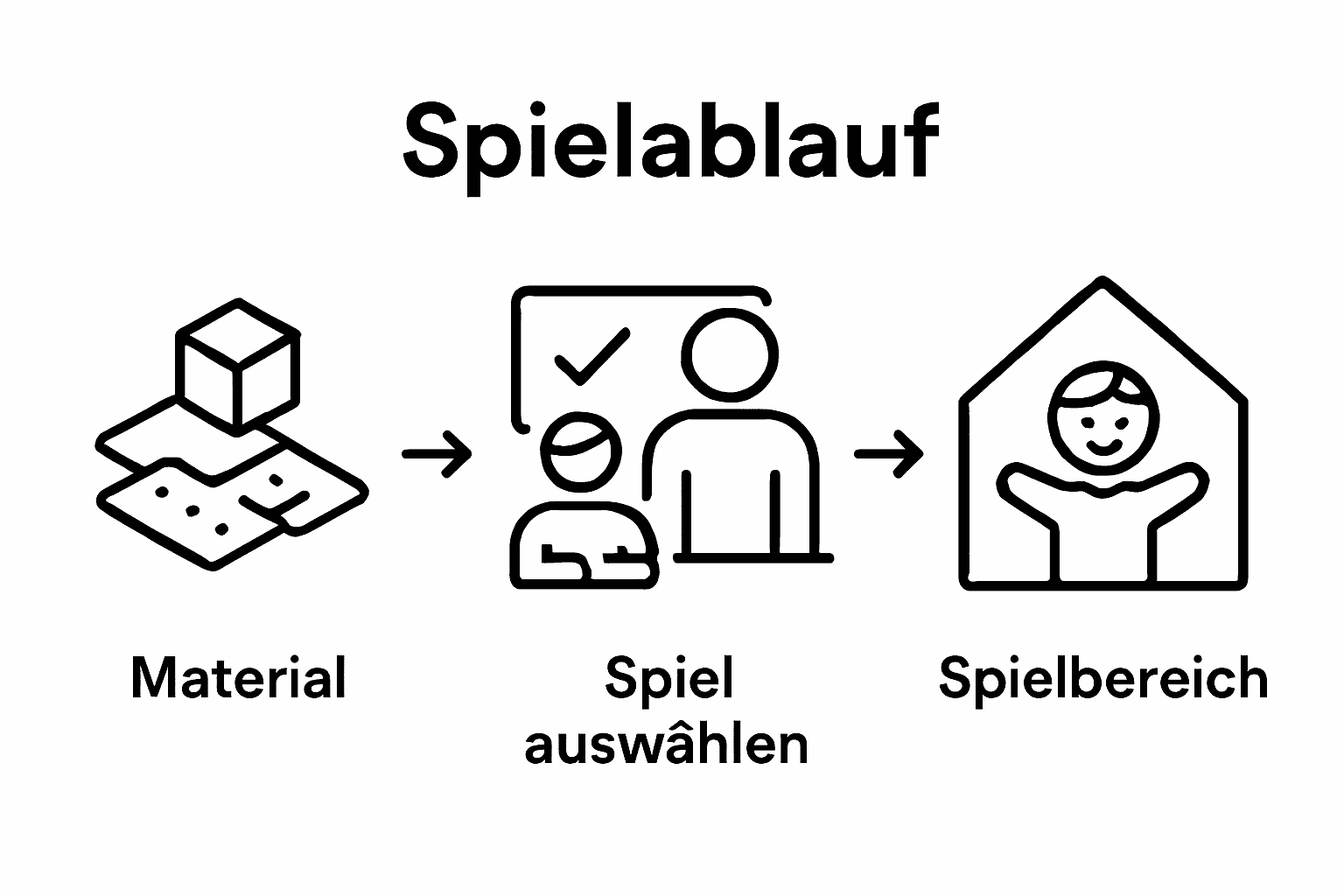
The first step in developing educational games with children lies in careful material selection. Parents and caregivers must choose resources that are not only entertaining but also educationally effective. The right materials can make the learning process fun and engaging.
Start by taking inventory of existing play materials and consider the age and individual developmental stages of your children. Age-appropriate materials are crucial for effective educational play. Look for resources that address various areas of development:
- Fine motor skills games (puzzles, building blocks)
- Language development materials (memory games, story cards)
- Logical thinking games (strategy games, construction toys)
The quality of materials is also important. Look for robust, safe products without sharp edges or small parts that could be swallowed. Creative learning methods can support children's development through play, which is why thoughtful material selection is so important.
When putting together your play resources, also consider the child's individual interests. A mathematically gifted child will prefer different materials than a creatively inclined child. Observe your child's reactions and preferences and adjust the play materials accordingly.
Additionally, digital resources such as age-appropriate learning apps or interactive educational videos can be a useful addition. Ensure a balanced mix of physical and digital play materials to provide a holistic learning experience.
Successful material selection shows itself in the fact that the child enjoys playing, stays focused, and develops new skills. The materials should be challenging but not overwhelming and leave room for discovery and creativity.
Below you will find an overview of central materials for various developmental areas in educational games as well as their typical use and recommended age ranges.
| Material | Development Area | Typical Use | Recommended Age |
|---|---|---|---|
| Building blocks, puzzles | Fine motor skills, logic | Shaping, stacking, building | 3-6 years |
| Story cards | Language development | Telling/inventing stories | 4-7 years |
| Memory games | Memory, language | Finding matching pairs, practicing concepts | 3-7 years |
| Construction toys | Logic, creativity | Building models, solving problems | 5-10 years |
| Learning apps | Various areas | Interactive games, exercises | 4-10 years |
| Craft materials | Creativity, fine motor skills | Crafting, painting, creating | 3-8 years |
| Strategic board games | Logical thinking | Applying rules, developing strategies | 6-10 years |
Step 2: Planning Age-Appropriate Educational Games
After material selection, the crucial process of game planning begins, which requires creativity, understanding, and strategic thinking. Age-appropriate educational games must be precisely tailored to children's individual developmental stages and learning needs.
Understanding developmental stages is the key to successful educational games. Each age brings different cognitive, motor, and social abilities. For example, toddlers need games with simple rules and sensory elements, while school-aged children can handle more complex strategic challenges.
Educational game methods can support children's development through play, which is why careful planning is crucial. Observe your child's individual strengths and interests carefully. A mathematically gifted child will need different game approaches than a creatively inclined child.
When planning games, you should consider various areas of development:
- Cognitive development (logic, problem-solving)
- Social-emotional development (communication, empathy)
- Motor development (fine motor skills, coordination)
Flexibility is essential. Plan games that can dynamically adapt to your child's progress and changing interests. A well-planned educational game should offer challenges without frustrating the child.
Integrate game elements that create motivation and joy. Reward systems, small successes, and positive reinforcement can increase your child's willingness to learn and enthusiasm. Make sure the games feel like fun challenges rather than work.
Successful game planning is evident when children play with focus and enthusiasm, develop new skills, and enjoy the learning process.
This table provides an overview of important aspects when planning age-appropriate educational games and how different areas of development can be specifically addressed through play.
| Development Area | Examples of Game Content | Goal in Educational Games |
|---|---|---|
| Cognitive development | Logic puzzles, memory games, strategy games | Problem-solving, forward thinking |
| Motor development | Building blocks, puzzles, movement games | Fine motor skills, coordination |
| Social-emotional development | Role-playing games, group games, cooperation tasks | Communication, empathy |
| Language development | Story cards, story corner, language games | Vocabulary, expression skills |
| Creativity | Craft projects, free design, art | Imagination, developing own ideas |
Step 3: Creating a Safe and Appealing Play Environment
Creating a safe and inviting play environment is crucial for successful educational games. A thoughtfully designed environment not only promotes safety but also inspires children's learning motivation and creativity.
Safety is the top priority. Start with a thorough safety inspection of the play area. Remove potential hazards such as sharp corners, loose cables, or small objects that could be swallowed. Use corner protectors on furniture and ensure that play surfaces are adequately lit and ventilated.
Creative activities for children can support playful learning, which is why environment design encompasses more than just safety aspects. Create an inviting space that sparks curiosity and the desire to explore.
Plan the play area so that different learning zones are created:
- Quiet reading corner with soft cushions
- Construction area with plenty of space for building games
- Creative zone with painting materials and craft table
Flexibility and adaptability are important aspects of room design. Use mobile play elements such as rolling shelves or movable rugs that can be easily reconfigured. This allows you to adapt the space to different play activities and developmental phases of your child.
Pay attention to stimulating color design and child-friendly decoration. Warm, soft colors can have a calming effect, while vibrant accents promote energy and motivation. Integrate artwork or posters that spark your child's interest and visually enhance their learning areas.
An optimally designed play environment is evident when children feel safe, comfortable, and motivated. Observe your child's reactions and make adjustments as needed. The environment should offer a balance between structure and freedom that seamlessly combines learning and play.
Step 4: Actively Involving Children in the Game
Active involvement of children is the key to successful educational games. It's not about imposing rules on children, but treating them as equal play partners who bring their own ideas and creativity.
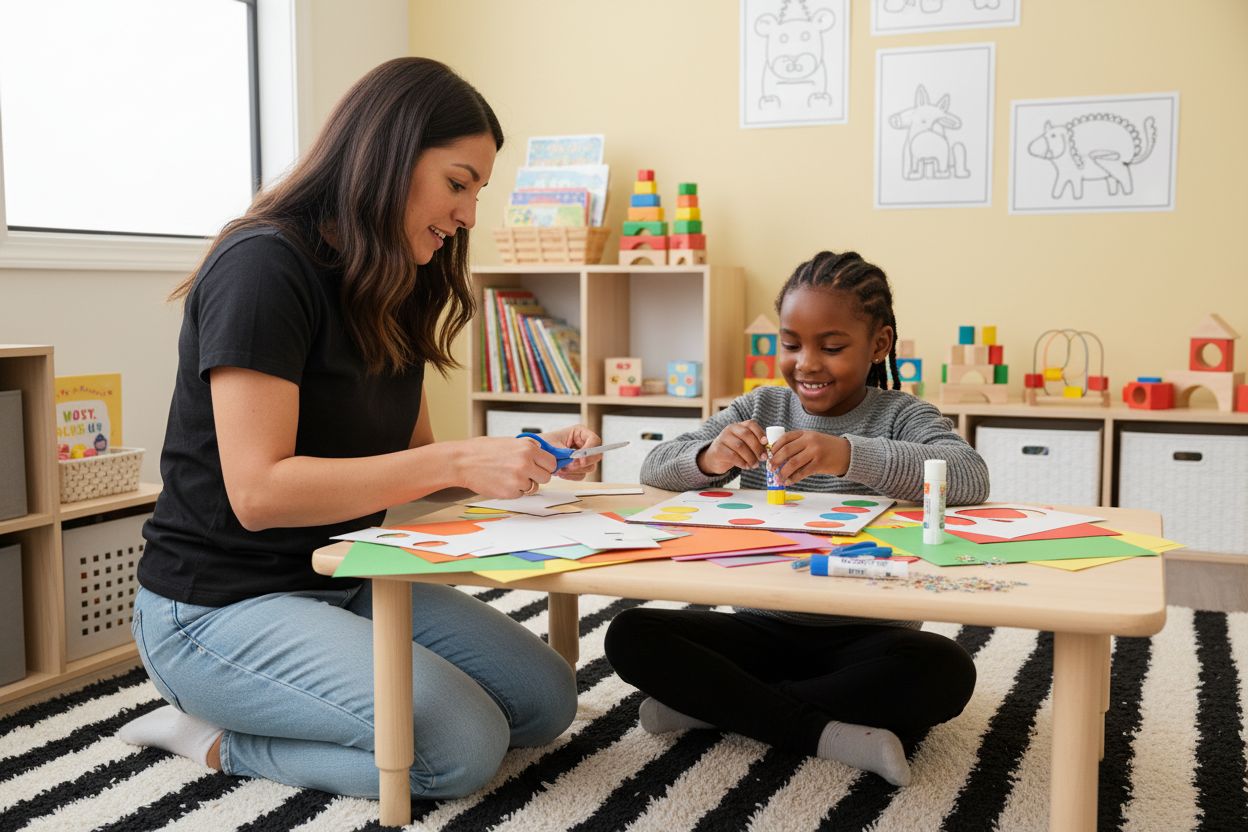
Participation is essential. Let your child make decisions from the start. This can mean developing game rules together, selecting play materials, or even inventing your own game variations. This involvement not only increases motivation but also promotes important skills such as communication and problem-solving.
Preschool children learn especially effectively through interactive games, which is why active involvement is so important. Observe your child's reactions and interests carefully and dynamically adapt the game.
Consider the following strategies for active involvement:
- Ask open-ended questions during play
- Encourage your child's own solution approaches
- Be an equal play partner, not just a guide
Communication at eye level means taking your child's suggestions seriously and appreciating them. Avoid constantly correcting or commenting on mistakes. Instead, you should support the spirit of discovery and experimentation.
According to education researchers, children can significantly increase their self-efficacy and social competencies through active participation. Give your child the opportunity to shape game sequences and develop their own strategies.
Successful involvement is evident when children play with enthusiasm, make independent decisions, and enjoy shared challenges. Stay flexible, patient, and open to unexpected playful turns.
Step 5: Reflecting on Learning Progress After Play
Reflection after an educational game is just as important as the game itself. This step allows parents and children to recognize learning success, identify challenges, and strategically optimize future play activities.
Appreciative communication is at the center of reflection. Begin with open, encouraging questions that prompt your child to think and share. Ask not only about results but also about feelings and personal experiences during the game.
Digital learning media can offer additional reflection opportunities, which is why a multimedia approach can be valuable. Consider using photos or short video recordings to jointly analyze the play situation.
When reflecting, you should consider the following aspects:
- Child's emotional reactions
- Concrete learning progress
- Challenges and coping strategies
Concrete observations are crucial. Document progress in various areas of development such as motor skills, language development, or logical thinking. Make sure to acknowledge successes and gently address improvement opportunities.
Constructive reflection means recognizing strengths together and developing strategies for future games. Avoid criticism and instead focus on encouragement and positive reinforcement. The child should feel that learning is an exciting, individual process.
Successful reflection is evident when the child talks motivatedly and confidently about their play experiences, enjoys the learning process, and develops interest in future educational games. Remain patient, appreciative, and open to your child's unique learning paths.