 edory
edory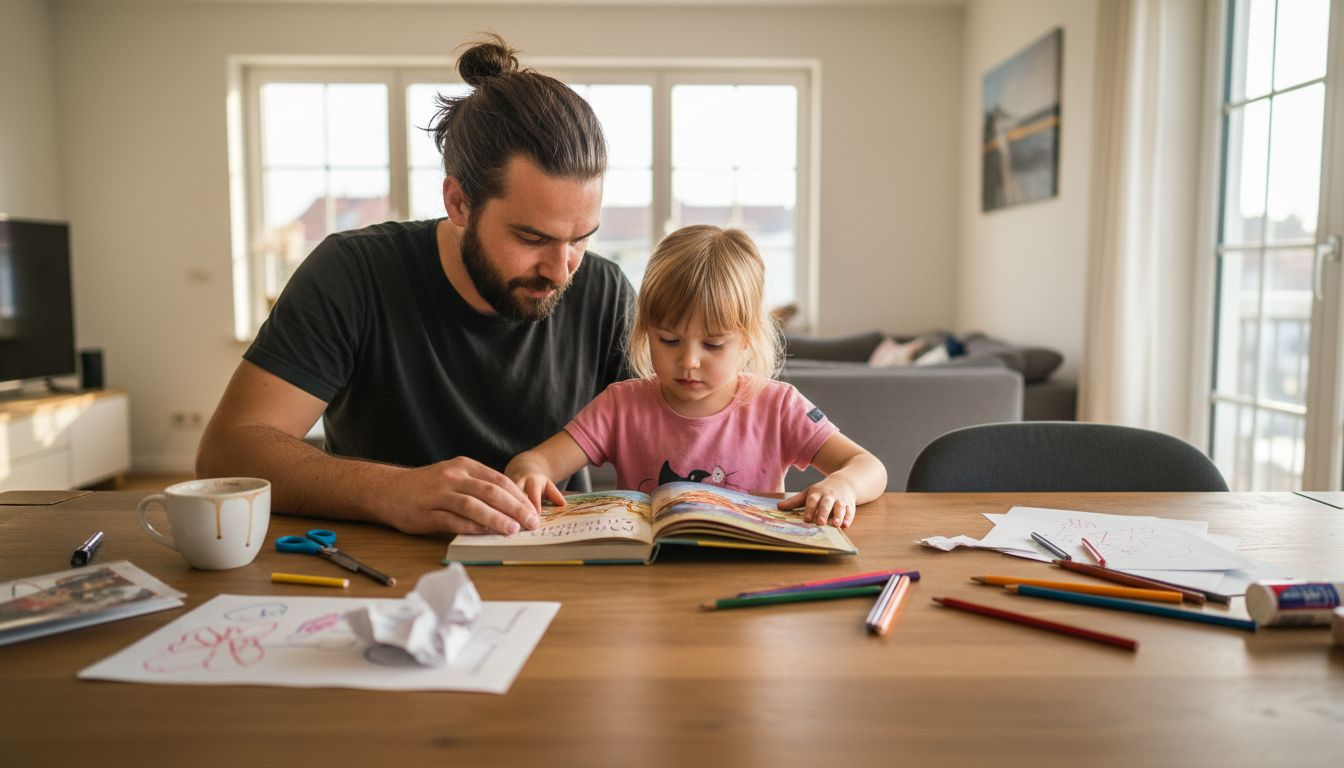
Over 80 percent of parents in Germany regularly reach for fairy tale books, yet not every child sees themselves reflected in classic stories. Personal experiences and individual dreams can be woven together with fairy tale characters in a lively way, so that education and imagination move directly into the children's room. Anyone who understands why fairy tale characters like Cinderella or the cunning fox have captivated people for generations can purposefully choose stories that inspire children and support them in discovering important values.
Table of Contents
- What Fairy Tale Characters Are and Why They Work
- Types of Fairy Tale Characters and Their Symbolism
- Central Meanings for Child Development
- Pedagogical Use of Fairy Tale Characters in Everyday Life
- Criticism, Risks, and Modern Approaches to Fairy Tales
Key Findings
| Point | Details |
|---|---|
| Fairy tale characters represent human characteristics | They embody fundamental traits and conflicts that make moral concepts understandable. |
| Symbolism is at the heart of fairy tales | Archetypes such as heroes and antagonists offer insights into complex social and emotional dynamics. |
| Pedagogical use promotes development | Fairy tales serve as valuable educational resources to foster empathy and social skills. |
| Critical engagement is necessary | Modern perspectives require a reflective examination of gender roles and cultural stereotypes. |
What Fairy Tale Characters Are and Why They Work
Fairy tale characters are fascinating narrative constructs that are far more than simple characters in children's stories. They function as symbolic representatives of human experiences and characteristics that have captivated children and adults alike for generations.
These fictional persons carry specific characteristics that are often designed as striking and archetypal. They embody fundamental values and conflicts such as good versus evil or weakness versus strength. Fairy tale characters like the brave hero, the cunning witch, or the helpless prince represent human types and behaviors that make complex moral concepts understandable to children.
The effect of fairy tale characters is based on their symbolic depth and emotional accessibility. They emerged from myths and legends and convey archetypal messages that reflect universal human experiences. Through their simplified yet powerful presentation, they enable children to understand and process difficult emotions and social dynamics.
Pro Tip: Choose fairy tales with characters that show authentic developmental processes to gently convey complex life lessons to children.
Types of Fairy Tale Characters and Their Symbolism
Fairy tale characters have a complex structure that can be divided into various basic types. They follow a classical role model that makes actions and social dynamics understandable for children. The basic archetypes include heroes, antagonists, helpers, and passive figures, each carrying specific symbolic meanings.
The hero types embody central human characteristics such as courage, integrity, and the ability to develop. They represent the protagonist who overcomes challenges and conveys moral lessons. Antagonists such as witches, giants, or evil sorcerers symbolize obstacles and negative character traits that the hero must overcome. These character constellations stem from mythological and social origins and enable complex role changes.
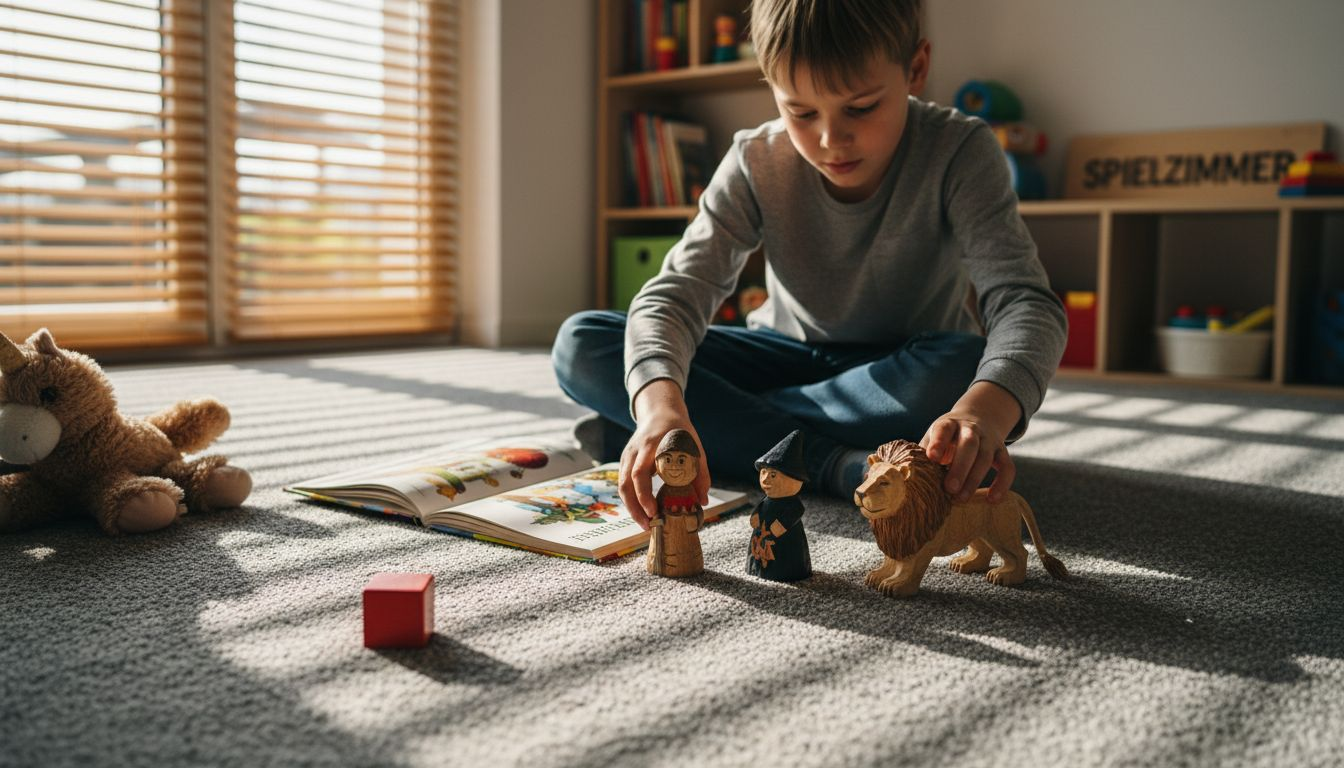
A particularly interesting aspect is animal characters, which often embody human characteristics. They can be cunning like the fox, wise like the owl, or loyal like the faithful dog. These anthropomorphic characters help children grasp moral concepts and social behaviors in a playful and understandable way. They serve as a projection surface for human emotions and behaviors.
Pro Tip: When selecting fairy tales, pay attention to choosing stories that show different character types and their development to give children a diverse understanding of characters and values.
The following overview shows central archetypes in fairy tales and their symbolic meaning:
| Archetypal Character Type | Symbolic Meaning | Typical Example |
|---|---|---|
| Hero | Courage and development | Cinderella |
| Antagonist | Danger and resistance | evil witch |
| Helper | Support and advice | good fairy |
| Animal character | Human traits | cunning fox |
Central Meanings for Child Development
Fairy tales play a crucial role in child development by offering more than just entertainment and fulfilling profound psychological functions. They function as complex pedagogical instruments that support children in subtle yet effective ways.
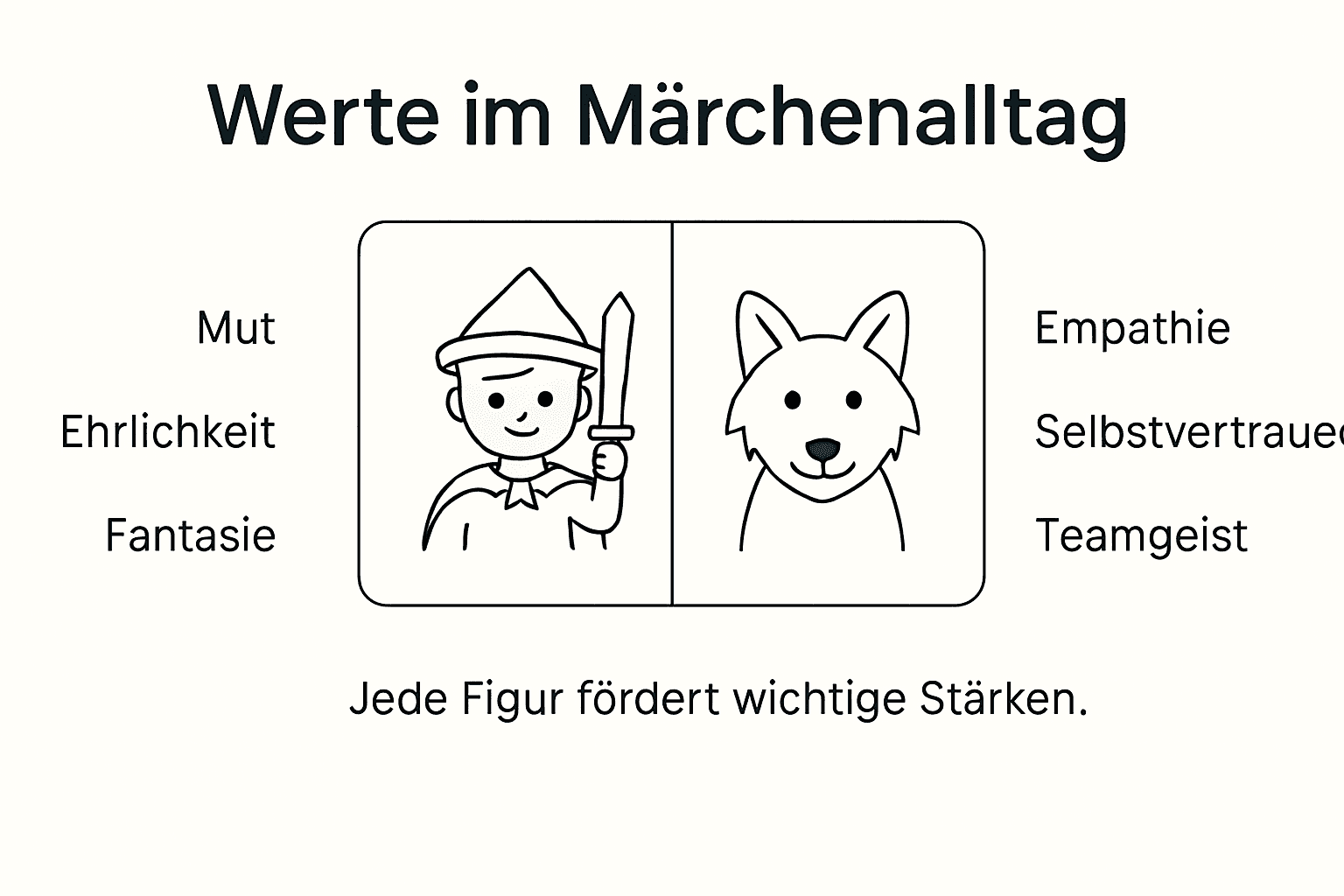
Through the narrative structures of fairy tales, children develop important skills for emotional processing and imagination formation. The symbolic conflicts help them form mental images that serve as coping strategies for real challenges. Fairy tales enable children to explore complex feelings such as fear, hope, and courage in an age-appropriate and understandable way.
A central aspect of development is the promotion of empathy and social intelligence. By empathizing with fairy tale characters, children learn to take different perspectives, understand moral dilemmas, and interpret emotional nuances. The stories provide safe spaces to explore conflicts, problem-solving strategies, and interpersonal dynamics without being directly exposed.
Pro Tip: Discuss fairy tales interactively with your children to actively support their emotional development and jointly reflect on values and feelings.
Pedagogical Use of Fairy Tale Characters in Everyday Life
Fairy tale characters offer parents and educators a powerful tool to support children's learning and development processes. They are more than just entertaining stories - they are interactive educational instruments that help children understand complex social and emotional concepts.
In pedagogical contexts, fairy tale characters can be strategically used to address learning difficulties and promote individual development opportunities. The symbolic images and simple action patterns enable children to identify with different characters and reflect on their behaviors. By retelling, reenacting, or creatively interpreting fairy tales, children learn empathy, problem-solving skills, and moral orientation.
Everyday life offers numerous opportunities to use fairy tale characters as a pedagogical tool. Whether reading aloud, roleplaying, or discussing stories - parents can use fairy tale characters to convey values, explain feelings, and playfully develop social competencies. The versatility of fairy tale characters allows for addressing complex topics such as courage, friendship, honesty, and helpfulness in a child-friendly way.
Pro Tip: Actively integrate fairy tale characters into family life by creating stories together, reenacting them, and reflecting on their messages.
The following table provides an overview of the pedagogical use of fairy tale characters in everyday life:
| Application Method | Effect on Children | Practical Example |
|---|---|---|
| Reading aloud | Language development, imagination | Fairy tale hour at home |
| Roleplay | Social competence | Reenacting fairy tale characters |
| Creating together | Creativity, teamwork | Creating new stories together |
Criticism, Risks, and Modern Approaches to Fairy Tales
Fairy tales are subject to critical examination in the modern educational landscape, which both questions traditional narratives and opens new perspectives. Contemporary interpretations increasingly take into account social changes and pedagogical findings.
The classical representation of gender roles, power structures, and cultural stereotypes in traditional fairy tales is today critically reflected upon. Problematic aspects such as depictions of violence, unrealistic beauty ideals, or simplified moral messages require sensitive and enlightened mediation. Modern parents and educators must contextualize, question, and explain fairy tales in age-appropriate ways.
A contemporary approach to fairy tales means understanding them as dynamic educational resources. The reinterpretation of classic stories enables the integration of contemporary values such as equality, diversity, and respect. This is not about complete rejection but about a reflective and constructive engagement with narrative traditions.
Pro Tip: Develop a critical yet appreciative perspective on fairy tales together with your children by exploring stories dialogically and allowing for different viewpoints.
Bringing Fairy Tale Characters to Life and Strengthening Values in Children's Everyday Lives
Fairy tale characters help children understand important values such as courage, empathy, and social competence. However, parents often face the question of how to convey these symbolic messages daily without always repeating the same stories. This is precisely where Edory.ai comes in: Our platform enables parents to create personalized stories that are specifically tailored to the age and interests of their children. This brings fairy tale characters and their meanings to life in an individual and tangible way.
Benefit from an intuitive tool that takes the work off your hands while also supporting the valuable pedagogical tasks mentioned in the article on Uncategorized – Edory AI – Educational Children's Stories. Take the opportunity to delight your children daily with new stories that promote development processes and strengthen them in their emotional and social education. Visit Edory.ai now and start with personalized fairy tale characters that playfully convey values and important life topics.
Frequently Asked Questions
What are fairy tale characters and why are they important for children?
Fairy tale characters are fictional figures that carry symbolic meanings and represent fundamental human values and emotions. They help children understand complex moral concepts and promote emotional processing.
What archetypes of fairy tale characters exist?
There are various archetypes such as heroes, antagonists, helpers, and animal characters. Each type embodies specific characteristics and values and helps children recognize social dynamics and human behavior.
How can fairy tale characters be used in education?
Fairy tale characters can be used as pedagogical instruments to convey social and emotional concepts. They promote empathy, problem-solving skills, and engagement with moral dilemmas through storytelling, reenactment, or creative interpretation.
What role do fairy tales play in children's emotional development?
Fairy tales help children develop important emotional skills by presenting emotional conflicts and challenges. By empathizing with the characters, children learn to take different perspectives and grasp their own feelings.