 edory
edory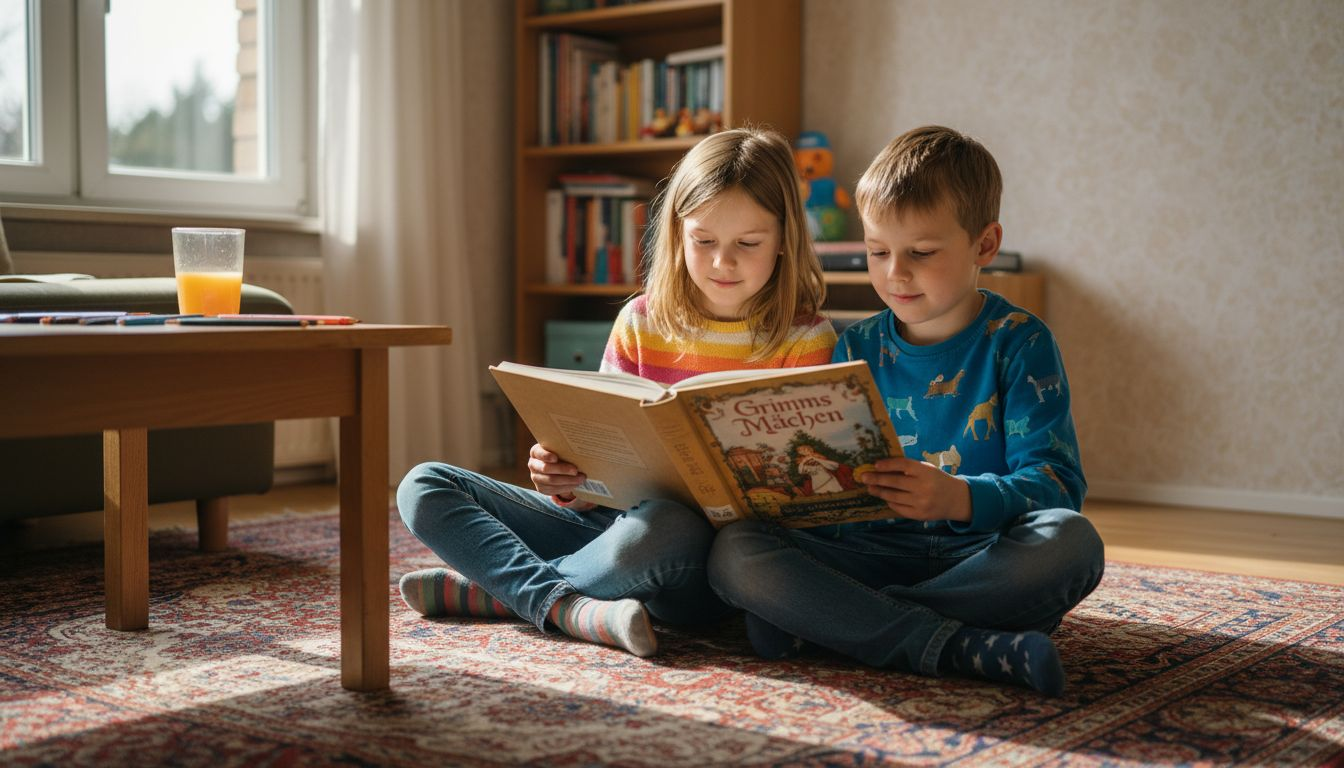
Over 60 percent of all parents in Germany wish for stories that playfully convey values such as friendship. Especially in early childhood, fairy tales are a key to sustainably strengthen social competencies and empathy. Anyone looking for entertaining and educational adventures for their preschool child discovers in action-oriented fairy tales creative opportunities to deliberately promote character development and imagination.
Table of Contents
- Friendship as a Central Theme in Fairy Tales
- Typical Friendship Portrayals in Well-Known Stories
- Promoting Emotional and Social Competencies Through Fairy Tales
- Age-Appropriate Fairy Tales: What Parents Should Consider
- Pedagogical Opportunities and Risks for Children
Key Insights
| Point | Details |
|---|---|
| Friendship in Fairy Tales | Fairy tales convey important social values, particularly the understanding of friendship as support and overcoming challenges together. |
| Fostering Emotional Intelligence | By reading fairy tales aloud, children can better understand and process complex emotions and social dynamics. |
| Age-Appropriate Fairy Tale Selection | Parents should consider their children's emotional maturity when selecting fairy tales to set positive developmental impulses. |
| Pedagogical Risks | Fairy tales are complex instruments that carry both opportunities and risks, which is why critical guidance during reading is necessary. |
Friendship as a Central Theme in Fairy Tales
Fairy tales are more than just magical bedtime stories. They are powerful tools for conveying social values, with friendship playing a central role. Psychological studies on fairy tales show that these narratives not only entertain but also convey important interpersonal competencies.
In traditional fairy tales, friendships are often portrayed as profound connections that support heroes in their challenges. A loyal companion can help a protagonist through dangerous forests or against powerful enemies. These narrative structures teach children that true friendship means strength, courage, and mutual support. The Fairy Tale Forum magazine emphasizes how such stories promote social competencies.
Fairy tales show friendship not as a perfect, conflict-free relationship, but as a dynamic process with challenges and solutions. Often, friends must overcome obstacles together, reconcile, or forgive each other. These portrayals help children understand complex emotional situations and develop social skills such as empathy, communication, and conflict resolution.
Pro Tip: Read fairy tales to your child and then talk about the friendships in the story to promote their emotional intelligence.
Typical Friendship Portrayals in Well-Known Stories
Fairy tales present friendship in many fascinating variations that convey important social values to children. Research on fairy tale structure shows that friendships often form between completely different characters who master challenges together.
Particularly popular are friendships between humans and animals, which highlight aspects such as trust, loyalty, and unconditional support. A classic example is the loyal wolf-dog who stands by their human companion in dangerous situations, or the clever fox who assists the protagonist with cunning and counsel. These intercultural fairy tale traditions underline how universal the concept of friendship is across different cultures.
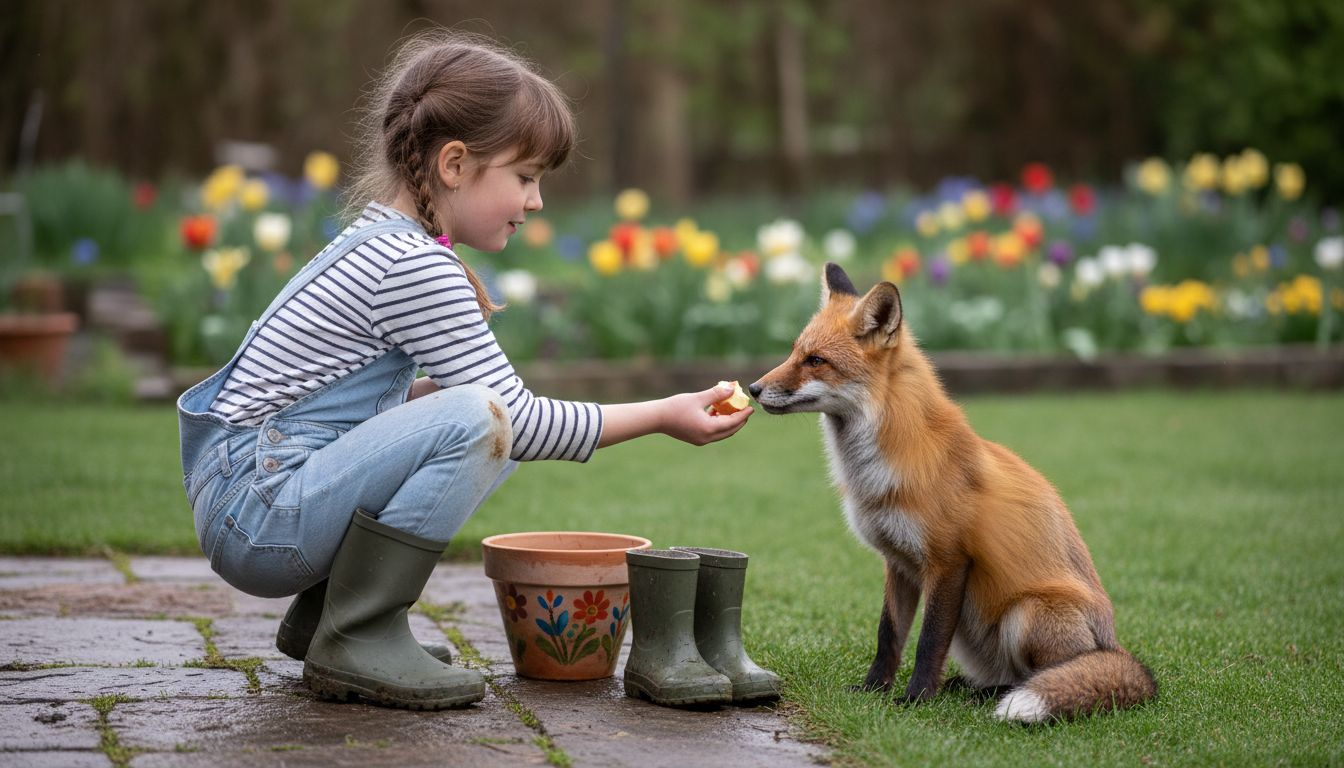
The stories show friendship not as a perfect relationship, but as a dynamic process full of challenges. Friends must overcome obstacles together, trust each other, and complement one another. Classic fairy tale characters are often portrayed as archetypes: the brave hero, the weak helper, the cunning adviser – all bound together by the bond of true friendship.
The following table provides an overview of typical archetypes of friendship in fairy tales and their pedagogical effects:
| Archetypal Friendship | Character Example | Pedagogical Benefit |
|---|---|---|
| Human and Animal | Princess and Wolf-Dog | Trust, Care, Loyalty |
| Hero and Weak Helper | Brave Boy and Mouse | Strengthen Empathy, Teamwork |
| Cunning Adviser and Hero | Hero and Fox | Problem-Solving, Creativity |
| Equal Partners | Two Siblings | Cooperation, Mutual Help |
Pro Tip: Encourage your child to analyze the friendships in fairy tales and discuss them to promote their understanding of interpersonal relationships.
Promoting Emotional and Social Competencies Through Fairy Tales
Fairy tales are far more than mere entertainment – they are powerful pedagogical tools for developing emotional and social competencies in children. Pedagogical research shows that fairy tales help children understand and process complex human emotions and social dynamics.
The symbolic language of fairy tales enables children to explore feelings on a deeper level. Scientific studies confirm that these stories not only entertain but also foster the development of empathy, self-regulation, and emotional intelligence. Children learn through these stories to recognize, name, and understand various emotional states.
Through identification with fairy tale characters, children develop important social competencies. They learn conflict resolution, cooperation, and moral judgment. The stories depict situations in which characters overcome challenges together, transcend differences, and show compassion. These narrative experiences shape social skills in a subtle but lasting way.
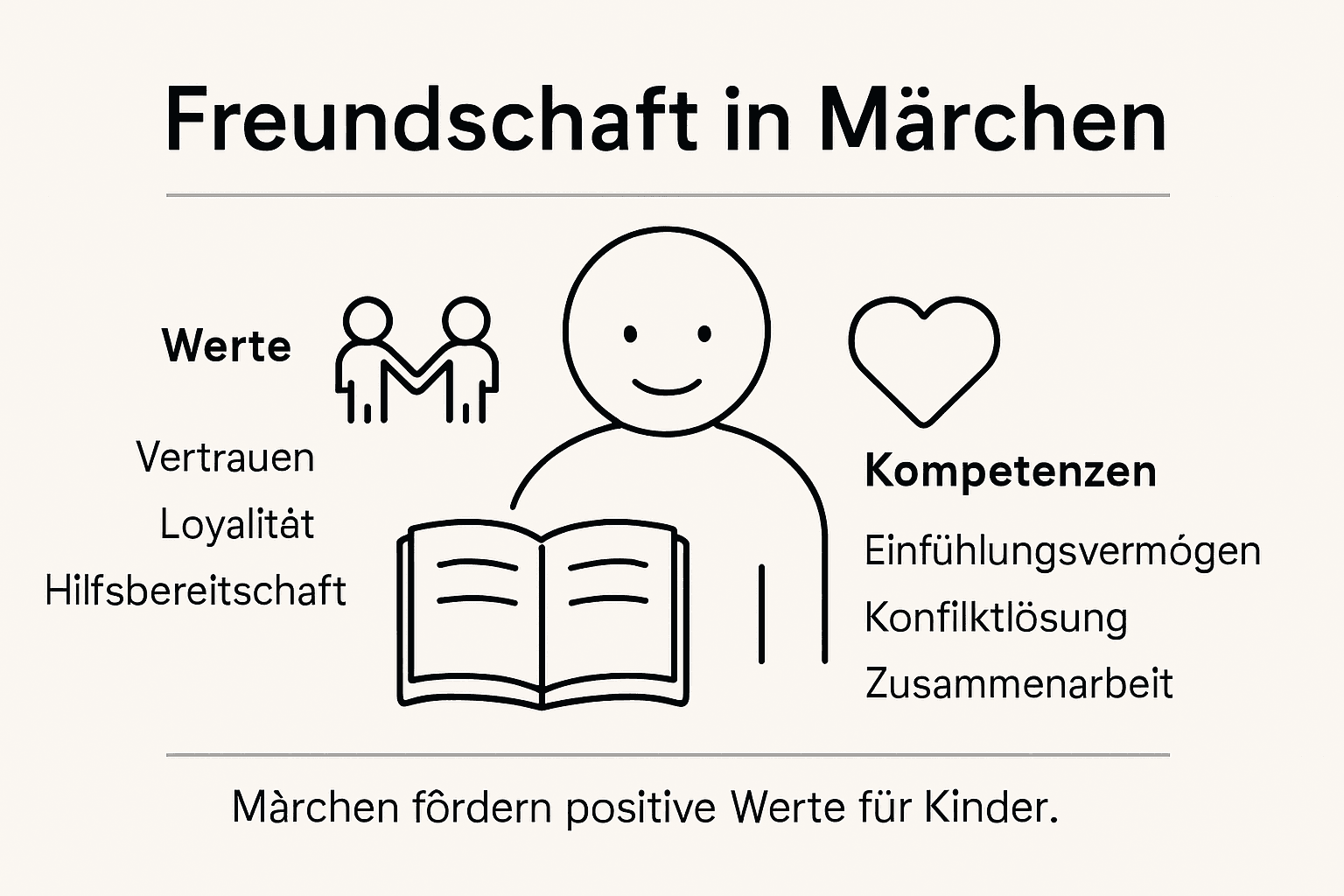
Pro Tip: Read fairy tales to your child and then discuss the characters' feelings and actions to actively support their emotional development.
Age-Appropriate Fairy Tales: What Parents Should Consider
Selecting the right fairy tales is crucial for children's positive development. Scientific studies on fairy tale selection recommend that parents approach fairy tale selection with particular sensitivity and consider their children's emotional maturity.
When selecting fairy tales, parents should pay attention to several important aspects. The language must be understandable, the plot age-appropriate, and the depicted conflicts not overwhelming. Pedagogical recommendations emphasize that fairy tales should challenge children, not frighten them. Every age needs appropriate stories that convey values such as friendship, courage, and justice in a child-friendly manner.
For preschool children, short, clear fairy tales with simple storylines and positive messages are suitable. School-age children can already understand more complex stories that include moral dilemmas and nuanced character development. What is always important is open dialogue: parents should initiate conversations after reading and jointly reflect on the stories.
Below you will find a summary of how different age groups benefit from fairy tales and what parents should consider:
| Age Group | Recommended Fairy Tale Types | Competencies to Promote |
|---|---|---|
| Preschool Children | Short, Simple Fairy Tales | Language, Simple Emotions |
| Elementary School Children | Complex Plot, Dilemma | Moral Thinking, Empathy |
| Adolescents | Multi-layered Characters | Self-Reflection, Critical Thinking |
Pro Tip: Read fairy tales to yourself before reading them aloud and watch for any frightening elements that may not yet be suitable for your child.
Pedagogical Opportunities and Risks for Children
Fairy tales are complex pedagogical instruments with double-edged potential. Scientific analyses show both significant developmental opportunities and possible risks for children.
The positive pedagogical aspects of fairy tales are diverse. They promote emotional intelligence, convey social values, and help children understand complex emotional worlds. At the same time, they carry risks, particularly when violence or fear scenes are presented without reflection. Pedagogical research emphasizes the necessity of careful, age-appropriate selection and guidance.
For parents, this means taking an active role: they must not only select fairy tales but also guide them critically. This means conducting conversations after reading, jointly reflecting on feelings and actions, and helping children understand the symbolic messages. In this way, potential negative effects are minimized and pedagogical benefit is maximized.
Pro Tip: Listen attentively to your child when they tell you about their impressions and feelings after the fairy tale, and take these seriously.
Playfully Strengthening Friendship and Values Through Fairy Tales
The topic of friendship in children's fairy tales clearly shows how stories can promote important social and emotional competencies. Parents often face the challenge of finding exactly the right fairy tales that convey age-appropriate and understandable values such as trust, empathy, and solidarity. Personalized and pedagogically thoughtful presentation helps make it easier for children to access friendship as a dynamic process with challenges and solutions.
This is exactly where Edory AI comes in. Our innovative platform gives parents the opportunity to generate daily individual and age-appropriate children's stories with strong friendship themes. The stories are perfectly designed to playfully promote social skills and emotional intelligence. Discover our collection of exciting content in the Uncategorized – Edory AI – Educational Children's Stories category and benefit from personalized reading experiences that sustainably strengthen your children.
Take this opportunity to experience friendship and important values with your children anew every day. Become part of a modern storytelling world that perfectly combines education and entertainment. Start now on Edory AI and together create your children's favorite stories.
Frequently Asked Questions
What are the benefits of friendship in fairy tales for children?
Friendship in fairy tales strengthens values such as empathy, trust, and cooperation. It helps children develop complex interpersonal relationships and emotional competencies.
How can fairy tales promote children's emotional intelligence?
By identifying with fairy tale characters, children learn to understand and process various feelings and actions, which increases their emotional intelligence.
What archetypes of friendship are common in fairy tales?
Typical archetypes include friendships between humans and animals, heroes and weak helpers, and cunning advisers, all of which embody important values such as loyalty and teamwork.
How should I select fairy tales for different age groups?
Parents should consider their children's emotional maturity and select fairy tales that convey age-appropriate content, understandable language, and positive messages.
Recommendation
- 7 Children's Stories About Friendship for Little Explorers – Edory AI – Educational Children's Stories
- Conveying Fairy Tale Values: The Complete Guide – Edory AI – Educational Children's Stories
- Fairy Tale Characters and Meaning – Values for Children's Daily Life – Edory AI – Educational Children's Stories
- Why are Fairy Tales Important for Children and Families? – Edory AI – Educational Children's Stories