 edory
edory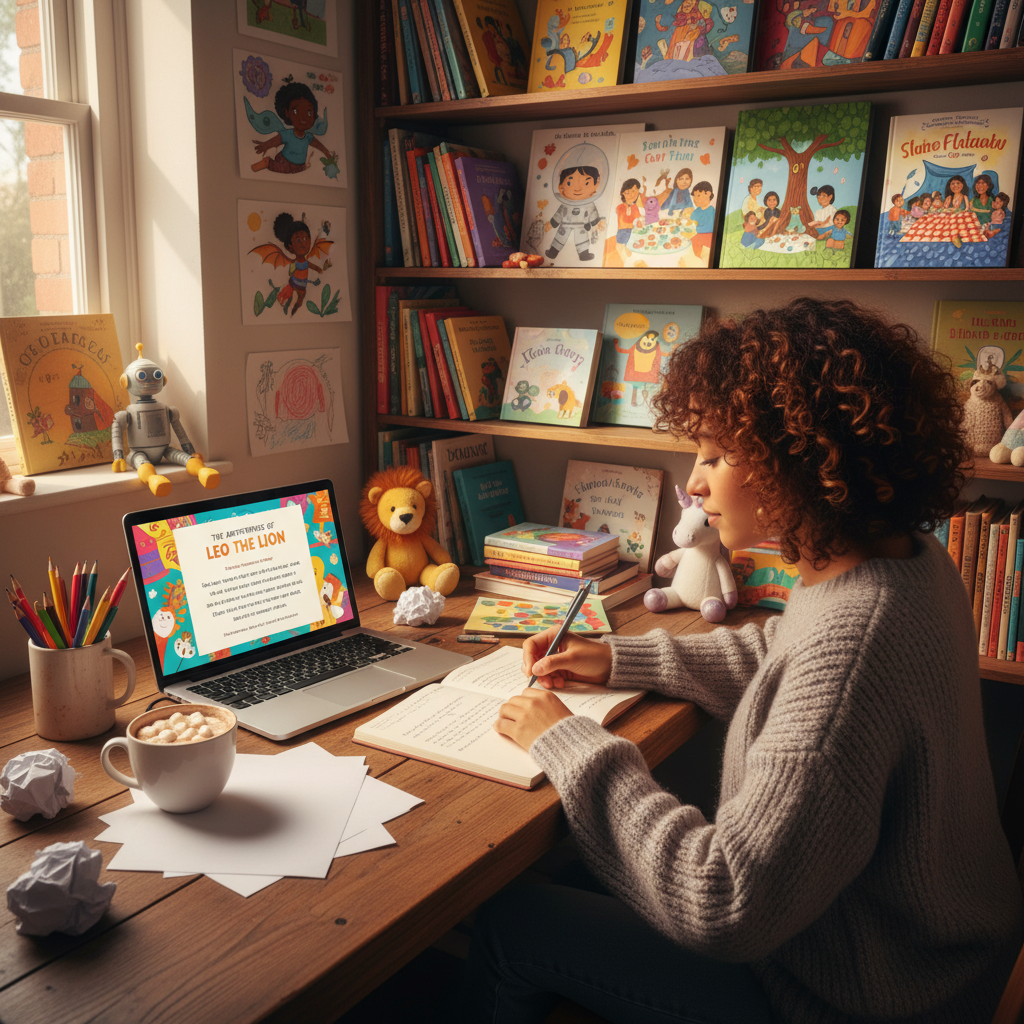
Why Write Educational Children's Stories Yourself?
How do you write educational children's stories yourself? This question occupies more and more parents, educators, and creative people in 2026 who want to convey valuable lessons to children in an entertaining way. Self-written stories offer the unique opportunity to convey specific values while precisely addressing the needs of the target audience.
In the digital age of 2026, high-quality, educational children's stories are in greater demand than ever. While screens and apps are ubiquitous, parents are looking for authentic stories that both entertain and educate their children. Writing your own children's stories makes it possible to integrate individual experiences and cultural values that are often missing from commercial publications.
The Basics of Educational Children's Stories
Age-Appropriate Topic Selection
When developing educational children's stories, the age group is crucial. For toddlers (2-4 years), simple concepts like sharing, politeness, or potty training are suitable. Preschoolers (4-6 years) can understand more complex topics such as friendship, courage, or environmental awareness. Elementary school children (6-10 years) are ready for stories about responsibility, diversity, and social justice.
Finding the Right Message
Successful educational children's stories convey their message subtly, without seeming preachy. Instead of explicitly saying "you shouldn't lie," a good story shows the natural consequences of dishonesty through the experiences of the main character. The moral should emerge organically from the plot and be understandable to children.
How to Write Educational Children's Stories: The Writing Process
Character Development for Young Readers
Child-friendly protagonists are the heart of every successful story. These characters should be authentic and identifiable – children must be able to recognize themselves in them. A shy child who finds courage, or a messy child who learns structure, are examples of relatable characters. It is important that the characters are not perfect, but have room for growth and learning.
Building Tension Without Overwhelming
The tension arc in children's stories differs from adult literature. The conflicts should be challenging, but not frightening. A lost stuffed animal, a quarrel with a best friend, or fear of the first day of school are examples of child-appropriate problems that create tension without overwhelming.
Practical Writing Techniques for 2026
Modern Storytelling Methods
In 2026, expectations for children's stories have evolved. Interactive elements, diverse characters, and contemporary issues have become standard. Stories can include digital aspects without promoting screen time – for example, a story about responsible use of technology or about a child learning to balance online and offline friendships.
Optimize Language and Style
The language in educational children's stories should match the developmental stage of the target audience. Short, clear sentences work better for younger children, while older elementary school children can understand more complex sentence structures. Repetitions and rhymes help memorize important messages. Dialogue should sound authentic – the way children actually speak.
Avoiding Common Pitfalls
Overly Obvious Morals
A common mistake when writing educational children's stories is overly heavy-handed morals. Children immediately notice when they are supposed to be "educated" and quickly lose interest. The lesson should be conveyed through the action and the consequences of the characters, not through wagging fingers or explicit explanations.
Unrealistic Problem Solutions
Problems in children's stories should be solved in realistic ways. Magical solutions or overly simple answers don't prepare children for real challenges. Instead, show how characters overcome their problems through effort, help from others, or creative thinking.
Feedback and Revision
Testing with the Target Audience
The best way to check if an educational children's story works is to test it with real children. Read your story to children from the appropriate age group and observe their reactions. Do they ask questions? Do they stay attentive? Do they understand the message? This direct feedback is invaluable for revision.
Professional Editing
Even in 2026, revision is a crucial step in the writing process. Pay attention to consistency in character development, logical plot sequences, and age-appropriate language. Have your story read by other adults, ideally by people with an educational background or experience with children.
Publication and Distribution in 2026
Digital Publishing Options
The publishing landscape for children's stories has diversified significantly by 2026. Self-publishing platforms offer easy ways to create printed and digital books. Audiobook production is becoming increasingly accessible, and interactive e-books enable new forms of storytelling. Many authors combine different formats to maximize their reach.
Community Building
Building a community around your stories is more important than ever in 2026. Social media platforms, reading clubs, and school partnerships help make your educational children's stories known. Regular readings, workshop offerings, and interaction with parents and educators create a loyal readership.
Trends and Future Prospects
Current Topics in Children's Stories 2026
The themes in educational children's stories reflect the societal developments of 2026. Climate awareness, digital literacy, emotional intelligence, and cultural diversity have become central topics. At the same time, classic values such as friendship, honesty, and compassion remain timeless and relevant.
Technological Support
AI tools support authors in 2026 with brainstorming and initial idea development, but cannot replace human creativity and emotional depth. These technologies help with research, character development, and even editing, but still require the author's personal touch.
Conclusion: The Path to Authentic Children's Stories
Writing educational children's stories in 2026 is an art that combines creativity, pedagogical understanding, and authentic emotions. Successful stories emerge from the connection of timeless values with contemporary challenges, wrapped in exciting, age-appropriate narratives.
The key is to write stories that take children seriously and trust them to understand complex concepts. At the same time, these stories should be fun and invite repetition. With patience, practice, and the courage to revise, anyone can learn how to write educational children's stories themselves that both entertain and educate.
Start with your first educational children's story today! Begin with a simple topic that is close to your heart and develop a character who lives through this problem. Test your story with children in your environment and don't shy away from revisions. The world needs more authentic, lovingly written children's stories – yours could be the next one to positively impact a child's life.