 edory
edory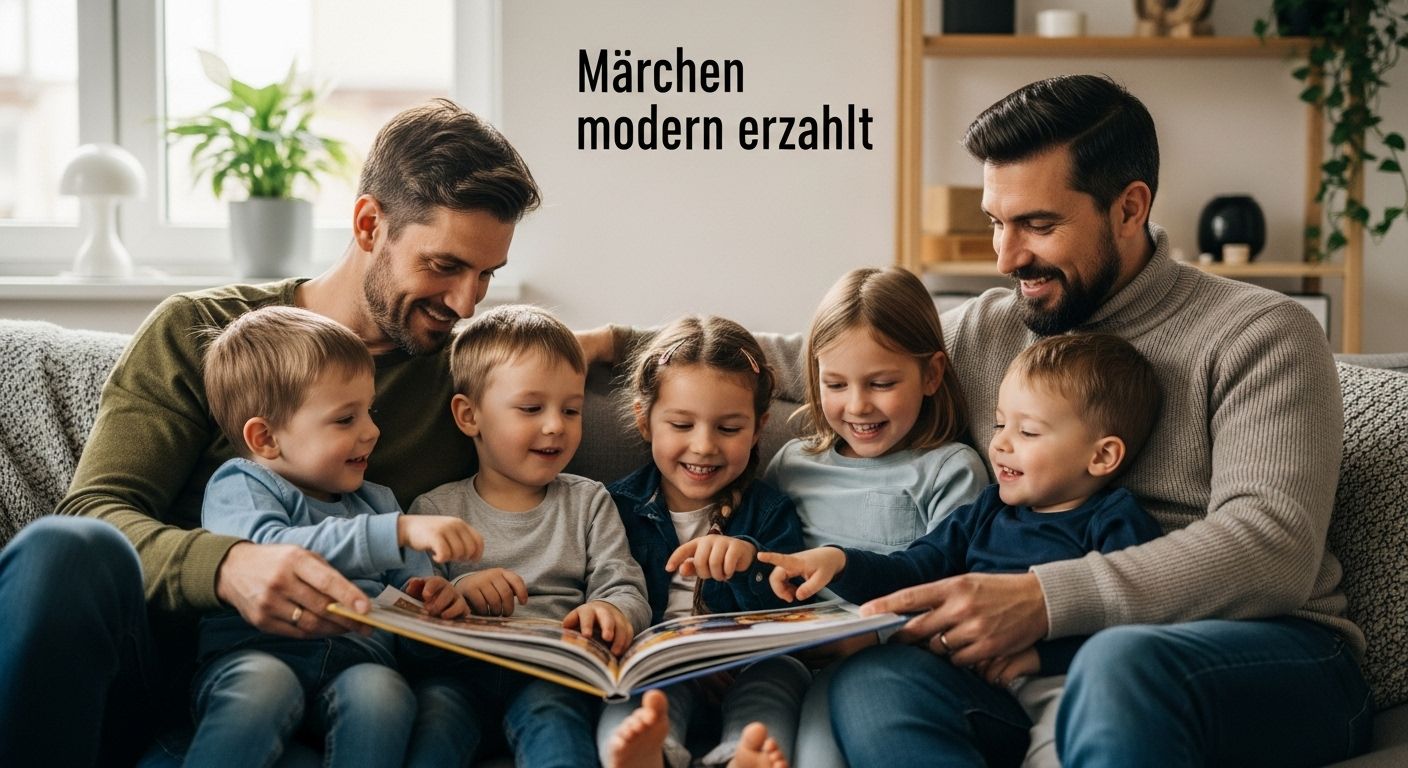
Fairy tales have fascinated children for centuries, and their stories are full of magic. Yet something unexpected has emerged. Recent studies of 624 fairy tales show that male characters appear twice as often as female ones. But now, old narratives are being completely reimagined. Modern fairy tales turn traditional roles upside down, foster empathy, and open up entirely new worlds of diversity and courage for children.
What Does "Modern Fairy Tales Retold" Mean?
Retelling fairy tales in a modern way means more than simply producing a new edition of traditional stories. It involves a profound transformation that adapts old narratives to the needs and values of today's society. This approach makes it possible to reinterpret timeless stories while integrating important social aspects such as equality, diversity, and critical thinking.
The Evolution of Fairy Tale Storytelling
Traditional fairy tales often conveyed problematic gender roles and oversimplified portrayals of good and evil. Modern studies show that classic fairy tales display a clear imbalance in character representation. A study of 624 fairy tales from various cultures found that male characters appear twice as often as female ones. Female figures were primarily associated with attributes such as care and loyalty, while male characters were linked to authority and justice.
Modern fairy tales break these rigid patterns. They present more complex characters who do not fit into traditional templates. A heroine can be both strong and vulnerable; a hero shows emotions and weakness. This nuanced portrayal helps children develop a more differentiated view of gender roles and personal development.
Societal Transformation Through Storytelling
Modern fairy tale storytelling is a powerful tool for social change. Research into feminist fairy tale retellings shows how authors such as Deirdre Sullivan rewrite traditional narratives to address systemic issues like domestic violence. In Sullivan's version of Cinderella, for example, the father is portrayed as a cruel character who enables the protagonist's mistreatment.
This kind of storytelling goes far beyond simple entertainment. It is an instrument of education that empowers children to think critically, develop empathy, and question social structures. Telling fairy tales in a modern way means creating stories that inspire children but also challenge them.
The art of modern fairy tale storytelling lies in preserving the magical and fantastical elements of the original stories while conveying contemporary messages. It is about encouraging children to believe in themselves, overcome boundaries, and understand the world in all its complexity.
Popular Classic Fairy Tales Reinterpreted
The reinterpretation of popular classic fairy tales is a creative art form that allows storytellers to view timeless narratives through a modern lens. This transformation goes far beyond simple modernization and offers a profound reassessment of traditional narrative structures and social messages.
The Reinvention of Familiar Stories
Contemporary studies show that adapting fairy tales to modern realities is a complex and meaningful artistic process. Authors do not merely update classic stories on a surface level; they deconstruct and reconstruct them to explore contemporary themes such as self-determination, equality, and personal development.
Take the fairy tale of Little Red Riding Hood as an example. In traditional versions, the girl is a helpless victim who needs to be rescued by male figures. Modern interpretations portray Little Red Riding Hood as a self-assured, clever protagonist who makes her own decisions and actively overcomes challenges. This reorientation conveys a stronger message of agency and self-confidence to children.
Literary Transformations and Cultural Significance
Research into contemporary literature highlights how authors such as Robin McKinley reshape traditional fairy tales. McKinley, for instance, transforms princesses from passive characters into active heroines who determine their own fates. These reinterpretations are more than literary exercises — they are powerful statements about social change.
The reinterpretation of classic fairy tales serves several important functions. It makes it possible to revise problematic historical narratives, convey contemporary values, and at the same time preserve the magical essence of the original stories. Children not only encounter new perspectives but also develop a deeper understanding of complexity, empathy, and individual agency.
The goal of modern fairy tale retellings is not to replace the original stories but to expand them. They offer a dialogue between tradition and progress, between what is worth preserving in old stories and the challenges of our ever-changing world. Through these creative transformations, fairy tales remain alive, relevant, and inspiring for new generations.
Benefits of Modern Fairy Tales for Children and Families
Modern fairy tales are far more than simple entertainment. They offer families and children a unique opportunity to learn, grow, and explore complex life themes in a playful and accessible way.
Fostering Emotional Intelligence
Research shows that fairy tales help children develop emotional resilience. By identifying with characters who overcome challenges, children learn to deal with their own fears and insecurities. When a hero in a story conquers difficulties, it conveys an important message to children: obstacles can be overcome.
Modern fairy tales often integrate more complex emotional narratives. Instead of presenting simple good versus evil scenarios, they show characters with nuanced feelings and motivations. This helps children develop empathy and understand that people are multidimensional.
Creativity and Imaginative Development
Educational research confirms that fairy tales enormously stimulate children's imagination. Magical worlds and fantastical scenarios encourage children to think beyond the obvious. When a fairy tale features a princess who rescues herself or a dragon who learns friendship, children's creative horizons expand.
These imaginative experiences are crucial for cognitive development. They train the brain to find unconventional solutions and view situations from different perspectives. Modernly told fairy tales deliberately break with traditional expectations and encourage children to question stereotypes.
A Safe Space for Emotional Exploration
Scientific studies emphasize that fairy tales provide children with a controlled space in which to deal with complex emotions such as fear and uncertainty. By presenting threatening situations within a safe framework, stories help children develop coping strategies.
Modern fairy tales go a step further. They show not only how characters overcome challenges, but also how they articulate feelings, ask for help, and accept support. This teaches children important social and emotional skills.
For families, this represents a wonderful opportunity for shared conversation. Fairy tales become a starting point for discussing feelings, values, and life experiences. They create connections between parents and children and provide a protected space for emotional exchange.
Modern fairy tales are more than stories. They are tools of education, inspiration, and emotional development. They help children understand the world in all its complexity while preserving the magic of imagination.
Tips: How to Read Modern Fairy Tales Together
Reading modern fairy tales together is a wonderful way to strengthen family bonds while supporting children's development. It is not just about telling a story, but about creating an interactive, enriching moment.
Making Read-Aloud Time Interactive
Educational research shows that interactive read-aloud sessions enormously stimulate children's critical thinking skills. Ask open-ended questions during reading that encourage reflection. For example: "What would you do in the heroine's place?" or "How could you help this character?"
An important aspect is varying your voice and emphasis. Turn reading aloud into a small theatrical performance. Use different vocal tones for different characters, make sound effects, and use pauses deliberately to build tension.
Cultural Diversity and Changes of Perspective
A study from the Yale University Curriculum underscores the importance of multicultural fairy tales for understanding different cultures. Choose stories from various cultural backgrounds to show children that there is more than one perspective. Explain terms or cultural particularities that may be new to them.
After reading, it is important to reflect together. Ask your child about their thoughts on the story, what they particularly liked, and what they perhaps did not understand. These conversations foster not only reading comprehension but also emotional intelligence.
Creative Follow-Up Activities
Research into reading interest shows that creative activities after reading enormously increase engagement with stories. Encourage your child to think beyond the story or interpret it artistically.
Possible creative activities include:
- Inventing an alternative ending to the story
- Drawing a picture of a favourite scene
- Acting out a short play with the characters
- Having a conversation about how the characters might be feeling
Reading modern fairy tales together is more than a pastime. It is an opportunity to learn, grow, and experience the magic of stories together. Every read-aloud session can become a precious moment that creates memories and strengthens the bond between parents and children.
Frequently Asked Questions
What are modern fairy tales?
Modern fairy tales are contemporary reinterpretations of classic stories that integrate current social values such as diversity and equality and present complex characters.
How do modern fairy tales foster emotional intelligence in children?
Modern fairy tales give children the opportunity to identify with multifaceted characters and understand emotional challenges, contributing to the development of empathy and resilience.
What are the benefits of interactively reading modern fairy tales aloud?
Interactive read-aloud sessions promote critical thinking and creativity by encouraging children to ask questions and actively participate in storytelling.
How can parents read modern fairy tales together with their children?
Parents can read modern fairy tales together by incorporating interactive elements, using different voices for the characters, and talking about the themes and emotions of the story after reading.
Create Your Own Modern Fairy Tales — With Edory, Every Story Becomes Unique
Are you familiar with the problem that traditional fairy tales often convey outdated role models and rarely reflect your child's interests or lived reality? More and more parents are looking for contemporary stories that directly address values such as empathy, diversity, and self-determination. The modern fairy tales described in this article show how important it is for children to experience stories that strengthen their personalities and nurture their imagination. Yet in everyday life, the time and means to craft suitable stories individually are often lacking.
With Edory, you can easily solve this problem. The platform makes it possible to create new, personalised fairy tales and learning adventures every day, tailored to the age, interests, and needs of your family. Bring the magic of modern fairy tales directly into your home and support your child in growing with empathy and creativity. Visit our page now and discover how you can reinvent your read-aloud experience with AI-powered, tailor-made stories.