 edory
edory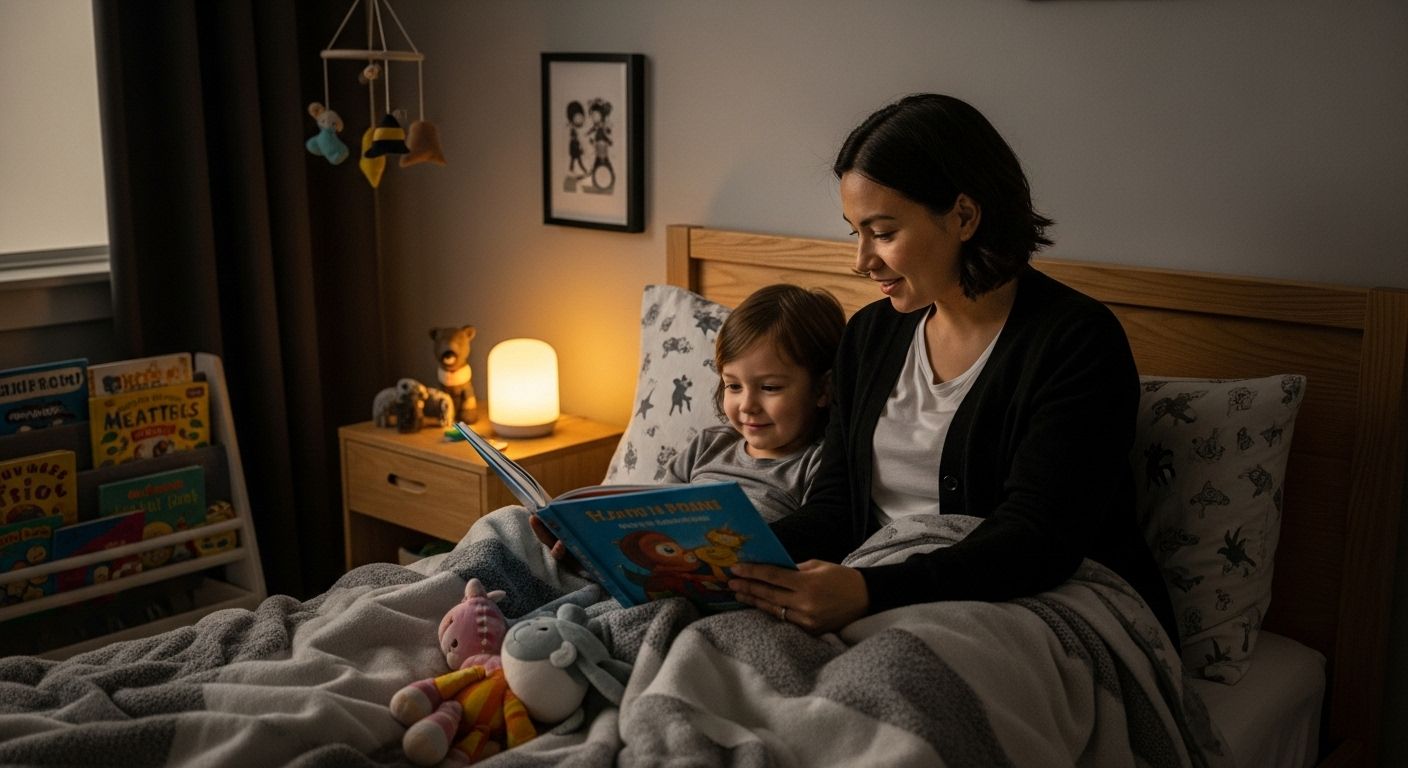
Bedtime fairy tales are a fixed part of the evening routine for many families. And yet a small story often works like magic. Studies show that regularly reading bedtime fairy tales can improve children's sleep quality by as much as 35 percent. Anyone who thinks that only sleep is promoted here is mistaken. Because these stories also strengthen emotional development and help children process their day.
Table of Contents
- Why Are Bedtime Fairy Tales Important?
- The Best Fairy Tales for Toddlers
- Bedtime Fairy Tales for Preschoolers
- Imaginative Stories for School-Age Children
- Tips for Creating a Perfect Reading Routine
- Bedtime Fairy Tales and Their Positive Effects
- How to Create Your Own Bedtime Fairy Tales
Summary
| Takeaway | Explanation |
|---|---|
| Bedtime fairy tales promote emotional regulation. | Fairy tales help children understand and process their feelings, which leads to better emotional stability. |
| Regular reading times improve sleep quality. | A fixed routine and a quiet environment promote sleep efficiency and prepare children for a relaxing night's rest. |
| Age-appropriate stories are crucial. | For each age group, there are specific stories that stimulate imagination and have a calming effect, and should be selected according to developmental stage. |
| Reading together strengthens the parent-child bond. | The intimate act of reading creates trust and emotional closeness between parents and children, deepening the relationship. |
| Creating your own stories promotes creativity. | Individually crafted stories strengthen bonding and help children regulate and process their emotions. |
1: Why Are Bedtime Fairy Tales Important?
Bedtime fairy tales are more than just simple stories before sleep. They are a powerful educational tool that helps children calm down, develop emotionally, and build healthy sleep habits.
According to scientific research, bedtime fairy tales play a crucial role in child development. They support not only cognitive development but also help children process daily experiences and reduce fears.
The most important benefits of bedtime fairy tales include:
-
Emotional Regulation: Fairy tales help children understand and process complex feelings.
-
Stress Reduction: A soothing story can minimize anxiety and create a relaxing sleep atmosphere.
Furthermore, bedtime fairy tales promote bonding between parents and children. Through shared reading, an intimate form of communication emerges that strengthens trust and emotional closeness.
Interestingly, fairy tales also support language development and reading comprehension. Children learn new words, sentence structures, and expand their vocabulary in a playful way.
If you would like to learn more about the magical world of children's stories, discover our educational fairy tales.
2: The Best Fairy Tales for Toddlers
For toddlers, age-appropriate fairy tales are crucial that stimulate their imagination while having a soothing effect. According to scientific findings, certain stories support the cognitive and emotional development of children.
When selecting fairy tales for the youngest, you should pay attention to the following aspects:
- Simple Plot: Stories with clear, understandable storylines
- Positive Messages: Fairy tales with courage, kindness, and togetherness
Particularly recommended fairy tales for toddlers include classic and modern stories with gentle characters and comforting elements. Animal stories work excellently because children can develop a special connection to animals.
When selecting, parents should pay attention to age-appropriate length and soothing tone. Content that is too intense or scary can disturb toddlers and cause sleep problems.
Classics like "The Little Bear," "The Rainbow Fish," or "The Snow Queen" in child-friendly versions are proven options. Modern fairy tales also offer wonderful possibilities. Discover our modern fairy tale variants, which are told in a playful and child-friendly manner.
Ultimately, it's about creating a trustworthy atmosphere and giving the child a sense of security and comfort.
3: Bedtime Fairy Tales for Preschoolers
Preschoolers are in an exciting developmental phase where more complex stories can fuel their imagination and creativity. According to scientific findings, well-chosen bedtime fairy tales can positively influence verbal development and sleep quality.
When selecting fairy tales for preschoolers, parents should pay attention to the following aspects:
- Age-Appropriate Complexity: Stories with easily understandable moral messages
- Interactive Elements: Fairy tales that allow for questions and discussions
The ideal bedtime fairy tales for preschoolers combine excitement and soothing elements. They should contain characters with whom children can identify without creating fear. Stories about friendship, courage, and problem-solving work particularly well.
Classic fairy tales like "Little Red Riding Hood" or "Puss in Boots" can be told in age-appropriate versions. Modern stories with strong protagonists and positive messages complement the repertoire.
A calm narration style and a soothing atmosphere are important. The parent's voice should sound soft and rhythmic to support the falling-asleep process.
Discover our diverse story worlds, developed specifically for preschoolers. Each story is designed to gently guide your children into the dream world.
4: Imaginative Stories for School-Age Children
School-age children need stimulating and calming stories that address their growing imagination and emotional intelligence. According to scientific findings, imaginative storytelling before sleep can positively influence mental health and sleep quality.
When selecting stories for school-age children, parents should pay attention to the following aspects:
- Age-Appropriate Complexity: Stories with interesting plot lines
- Creative Worlds: Narratives that stimulate imagination and creativity
The ideal bedtime stories for school-age children should combine exciting adventures with calming elements. They can include stories about time travel, magical worlds, or heroic characters who ultimately find peace and harmony.
Epic narratives like "The Neverending Story" or modern fantasy stories work excellently. A gentle narration style is important, building suspense without becoming too exciting.
Parents can make the story interactive by encouraging children to visualize the plot or add small details. This not only promotes creativity but also prepares them to fall asleep in a relaxed manner.
Discover our worldwide story journeys, which take school-age children into magical and educational worlds.
5: Tips for Creating a Perfect Reading Routine
A well-structured reading routine is crucial for children's sleep quality. Scientific studies confirm that a consistent evening routine can significantly improve sleep efficiency.
For a perfect reading routine, we recommend the following steps:
- Fixed Time Structure: Always start at the same time
- Quiet Environment: Create a dimmed, relaxing atmosphere
Emotional Preparation plays a central role. Reading time should be a safe, trustworthy interaction between parent and child. The voice should sound calm and monotone to achieve a soothing effect.
The length of the story varies by age. For younger children, shorter stories of 5-10 minutes work well, while school-age children can handle longer narratives.
Technical distractions like phones or tablets should be completely eliminated. Instead, physical closeness and personal interaction matter.
A ritualistic routine can have an additional calming effect. This could mean always using the same favorite chair or using a special blanket for reading time.
Discover more secrets of reading to optimize your evening routine.
6: Bedtime Fairy Tales and Their Positive Effects
Bedtime fairy tales are far more than just entertaining stories. Scientific studies show that they play a crucial role in child development and health.
The most significant positive effects include:
- Emotional Regulation: Fairy tales help children understand and process complex feelings
- Stress Reduction: Stories lower anxiety levels and prepare for a peaceful night's rest
Psychological Benefits are particularly remarkable. Children learn social skills, empathy, and problem-solving strategies through fairy tales. The metaphorical language of stories allows them to grasp abstract concepts in a playful way.
On a neurological level, bedtime fairy tales stimulate brain development. They promote language development, memory, and creativity. Through repeated listening, children develop a deeper understanding of narratives and language structures.
The attachment psychology component is also significant. Shared reading strengthens the relationship between parents and children and creates emotional security.
Discover stories that give children a sense of security, to support their emotional development.
7: How to Create Your Own Bedtime Fairy Tales
Creating your own bedtime fairy tales is a creative and meaningful way to strengthen your bond with your child. Scientific research shows that individually crafted stories are particularly effective at emotion regulation and stress reduction.
Important basic principles when creating fairy tales:
- Child-Friendly Language: Use simple, understandable words
- Positive Messages: Integrate courage, kindness, and hope
Structural Elements are crucial for a successful