 edory
edory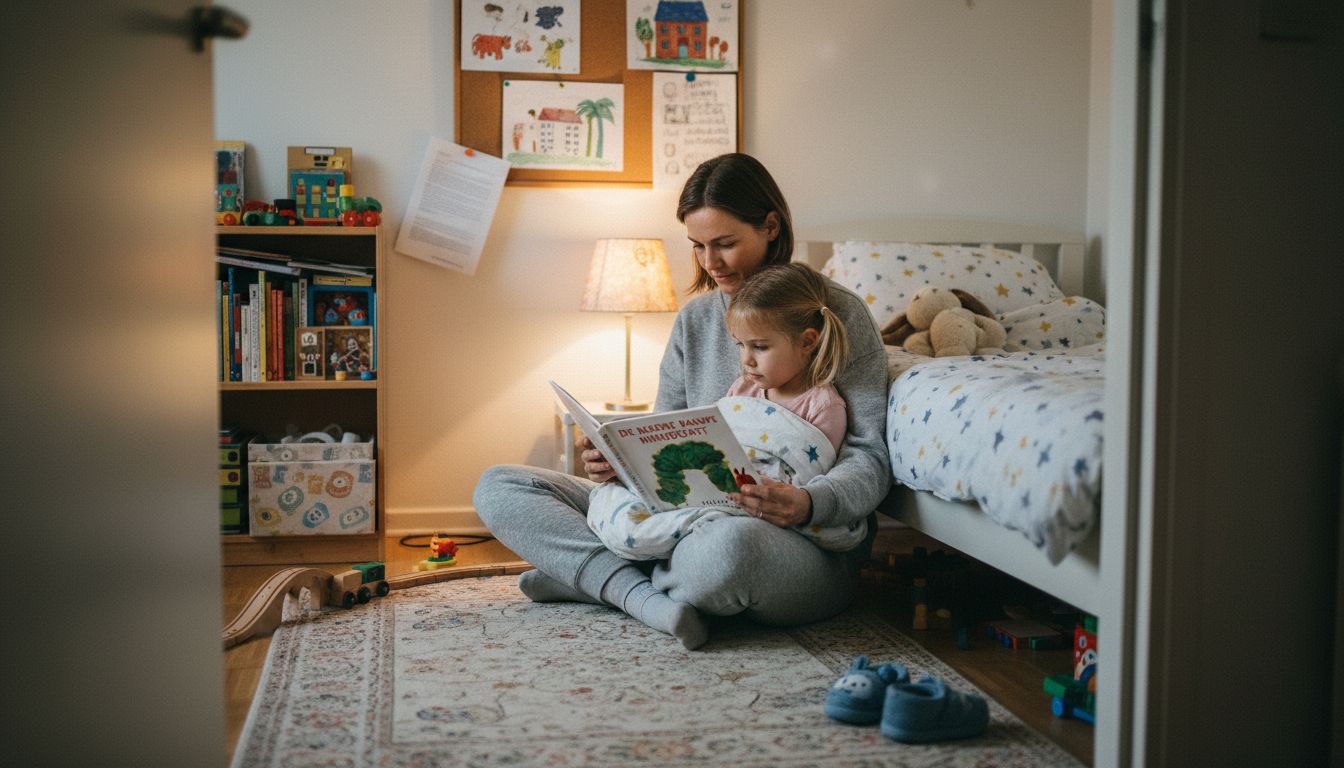
Every third child in Germany sleeps worse in the evening when the right story is missing, according to studies. Parents often face the question of which topics and reading ideas really contribute to their child's development and well-being. With targeted tips, you can combine imagination, education and security and transform reading aloud into an enriching family ritual.
Table of Contents
- 1. Age-appropriate topic selection for every child
- 2. Combining exciting fantasy and classic fairy tales
- 3. Incorporating educational elements playfully
- 4. Personalizing main characters for more empathy
- 5. Quiet soundscapes and gentle reading style
- 6. Asking questions and promoting conversations
- 7. Creating routines: Fixed rituals for relaxed falling asleep
Quick Overview
| Important Insight | Explanation |
|---|---|
| 1. Choose age-appropriate stories | Stories should match the child's age and developmental stages to promote understanding and enthusiasm. |
| 2. Combine fantasy and tradition | Creatively combining classic fairy tales with modern elements stimulates imagination and promotes critical thinking. |
| 3. Integrate education through stories | Playful learning approaches in good night stories expand vocabulary and promote emotional intelligence. |
| 4. Personalization of characters | Individually designed figures help children develop empathy and identify with the story. |
| 5. Establish fixed sleep rituals | A structured routine supports the relaxed transition into sleep and promotes emotional stability. |
1. Age-appropriate topic selection for every child
Every childhood is a unique journey full of discoveries and learning potential. When selecting good night stories, the child's age plays a crucial role in understanding and enthusiasm. An age-appropriate topic selection helps awaken imagination while creating age-appropriate learning experiences.
Why age-appropriateness matters:
Children go through different developmental stages with varying cognitive and emotional abilities. Stories should take these developmental phases into account:
- 0-3 years: Simple sound stories with rhythmic elements
- 3-6 years: Fairy tales with clear good versus evil structures
- 6-9 years: Adventure stories with first more complex storylines
- 9-12 years: Stories with moral dilemmas and character development
Practical selection strategies:
When selecting stories, pay attention to:
- Linguistic complexity
- Emotional depth
- Length of the story
- Presence of learning opportunities
Through conscious topic selection, parents can not only entertain but also deliberately support children's developmental processes. A well-chosen story becomes a magical key to learning, growing and dreaming.
2. Combining exciting fantasy and classic fairy tales
Fairy tales are timeless treasures of childhood imagination. They offer more than just a bedtime story. When parents creatively merge classic fairy tale elements with modern fantasy, a magical learning experience emerges for children.
Why this combination works:
Classic fairy tales have archetypal structures that children intuitively understand. They contain:
- Clear moral messages
- Distinct good versus evil dynamics
- Hero's journeys with development potential
Creative combination strategies:
Here's how to blend tradition and fantasy:
- Add unexpected modern twists to classic fairy tales
- Let fairy tale characters act in contemporary contexts
- Invent your own characters with fairy-tale properties
Practical examples:
- A prince uses robot technology instead of a sword
- A witch works as a computer programmer
- A dragon becomes a friendly scientist
Through this creative approach, stories come alive. They not only stimulate imagination but also promote critical thinking and creativity in children.
3. Incorporating educational elements playfully
Good night stories can be more than just entertainment. They are a powerful educational tool. Child-friendly learning approaches turn learning into an exciting adventure.
Why playful learning matters:
Children absorb information best when they're having fun. Educational elements in stories help:
- Expand vocabulary
- Increase concentration ability
- Promote creative thinking
- Develop emotional intelligence
Practical integration strategies:
- Build in knowledge questions: Small riddles or thinking tasks during the story
- Use interactive elements: Encourage children to participate and think along
- Introduce real concepts: Explain complex topics in a child-friendly way
Concrete examples:
- A story about a tree explains photosynthesis
- A fairy tale teaches the basics of friendship
- An adventure story teaches geographical connections
Through creative teaching, learning moments transform into magical experiences.
4. Personalizing main characters for more empathy
Stories become magical when children really feel connected to the characters. The art of character development allows children to immerse themselves more deeply in stories and develop emotional intelligence.
Why personalization matters:
Personalized characters help children:
- Develop empathy
- Understand complex emotions
- Reflect on themselves in different situations
- Learn different perspectives
Strategies for character personalization:
- Choose individual names
- Include similarities to the child
- Show character weaknesses and strengths
- Design personal preferences and fears
Practical implementation examples:
- A shy hero like the child themselves
- A character with similar family structures
- Characters with familiar hobbies or challenges
Through authentic character design, stories become emotional bridges between fantasy and the child's life world.
5. Quiet soundscapes and gentle reading style
The transition from wakefulness to sleep is a special time for children. Soothing reading techniques can shape this process gently and relaxingly.
Why sound and reading style matter:
A sensitive reading style supports:
- Emotional calming
- Stress relief
- Building trust
- Positive sleep preparation
Techniques for a gentle reading style:
- Lower your voice
- Choose a slow speaking pace
- Build in breathing pauses
- Use soft articulation
Practical sound design:
- Whispering passages for magical moments
- Melodic speech rhythms
- Even stress
- Gentle voice modulation
A mindful reading style transforms stories into a bridge between wakefulness and dreams.
6. Asking questions and promoting conversations
Good night stories can be more than passive entertainment. Interactive conversation techniques transform reading aloud into a shared learning adventure between parents and children.
Why questions and conversations matter:
Interactive storytelling methods support:
- Developing critical thinking
- Expanding language skills
- Increasing emotional intelligence
- Training active listening
Strategies for asking questions:
- Formulate open questions
- Explore character feelings
- Imagine hypothetical situations
- Encourage predictions and guesses
Practical conversation examples:
- "What would you do in the hero's place?"
- "How do you feel about this story?"
- "What could happen next?"
Through dialogic storytelling approaches, stories become interactive learning journeys.
7. Creating routines: Fixed rituals for relaxed falling asleep
An evening ritual is more than a habit. Structured bedtime rituals are the key to a relaxed and predictable sleep transition for children.
Why routines matter:
Constant sleep rituals support:
- Building inner security
- Stress reduction
- Regulating biological sleep rhythms
- Promoting emotional stability
Elements of an ideal sleep ritual:
- Choose a fixed bedtime
- Design a calm environment
- Develop a consistent sequence
- Create a soothing atmosphere
Practical ritual building blocks:
- Warm bath
- Comfortable clothing
- Soft music
- Quiet good night story
- Cuddle time
A reliable routine transforms the bedtime journey into a familiar voyage of security.
This table summarizes the main points and strategies of the article on age-appropriate topic selection and creative storytelling methods.
| Topic | Description | Key Strategies |
|---|---|---|
| Age-appropriate topic selection | Adapting stories to the child's developmental age. | Simple sound stories for 0-3 years, fairy tales for 3-6 years, adventure stories for 6-9 years, moral dilemmas for 9-12 years. |
| Combining fantasy and fairy tales | Integration of classic fairy tales with modern elements. | Add modern twists, let fairy tale characters act in contemporary contexts. |
| Incorporating educational elements | Making learning through stories an adventure. | Knowledge questions, interactive elements, introduce real concepts. |
| Personalization of main characters | Connecting children with characters to promote empathy. | Individual names, similarities to the child, show character weaknesses and strengths. |
| Quiet soundscapes | Using soothing reading techniques for falling asleep. | Lower voice, slow speaking pace, breathing pauses. |
| Promoting questions and conversations | Interactive storytelling for deeper engagement. | Open questions, explore character feelings, hypothetical situations. |
| Fixed bedtime rituals | Structured rituals for security and relaxation. | Fixed bedtime, calm environment, consistent sequence. |
Combining dreaming and learning with personalized good night stories
Every parent knows the challenge of selecting from a multitude of good night stories exactly those that are age-appropriate, exciting and educational at the same time. The article clearly shows how important age-appropriate topic selection, the playful integration of educational elements, and a loving